
 English
 Français
 Deutsch
 Italiano
 Turkish
 Greek
 Serbian
Bank of Albania: Financial System Stable in First Half of 2025




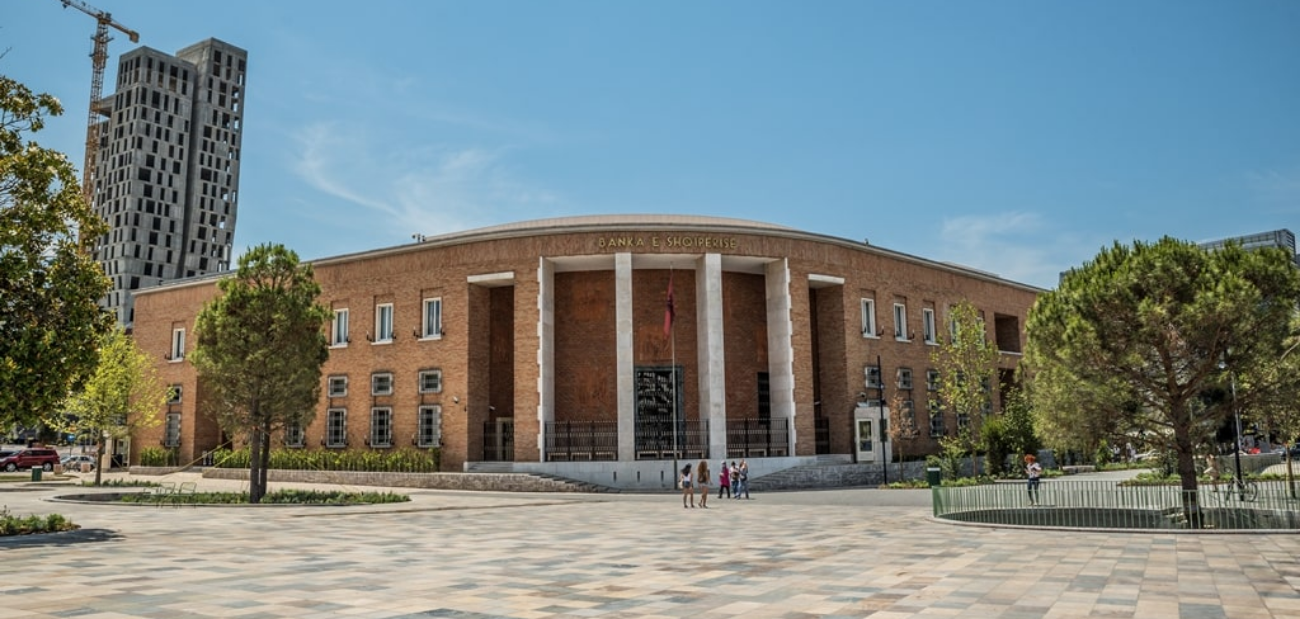
The Supervisory Council of the Bank of Albania approved the Financial Stability Statement and Report for the first half of 2025.
This report is published every six months. It aims to identify and assess risks in the financial system. According to legal requirements, it also includes a Financial Stability Statement.
In the first half of 2025, the financial system remained stable. The banking sector grew steadily. Deposits and capital increased. As a result, banks boosted lending and invested more in securities.
Although the net profit was slightly lower than last year, it stayed positive. Moreover, risks within the banking sector and its links to other financial segments remained under control. Stress tests confirmed the sector’s resilience.
At the same time, the economy showed strong performance. Consumption and investment increased. The trade deficit narrowed. Tourism remained stable. Meanwhile, employment and wages rose, while unemployment fell.
Additionally, fiscal policy stayed disciplined. Revenue collection exceeded planned targets.
Inflationary pressures remained below the Bank’s target. However, global uncertainties continue to pose risks. Therefore, the Bank advised both policymakers and market players to preserve financial buffers and manage investments wisely.
Furthermore, the Council approved the semi-annual report on MREL compliance. MREL is the minimum requirement for own funds and eligible liabilities.
For 2025, the target was 20.2% of risk-weighted exposures. By mid-year, banks had reached 22.6%. To meet this goal, they issued more unsecured eligible debt. Importantly, the cost of these instruments remained manageable, supported by strong financial results.
In addition, the Council approved changes to the regulation on Euro payments. The changes set equal fees for cross-border SEPA transactions and domestic Euro payments. This aligns with EU Regulation 2021/1230.
These adjustments are crucial for Albania’s entry into SEPA on October 7, 2025. From that date, cross-border Euro payments will cost the same as local ones.
As a result, individuals and businesses will face lower transaction costs. The move will also boost electronic payments, increase market competition, and create a level playing field for financial institutions.
/a.c/
Të ngjashme


Latest News









Most read










 RTI