
 English
 Français
 Deutsch
 Italiano
 Turkish
 Greek
 Serbian
Christmas traditions among the Arbëresh: Celebrations, food, and bilingual liturgy




TIRANA, December 24 – The Arbëresh community in Italy preserved its language for more than 500 years. Over time, it also maintained traditions and customs related to traditional and religious holidays.
For the Christian Arbëresh community, Christmas represented one of the most important celebrations of the year.
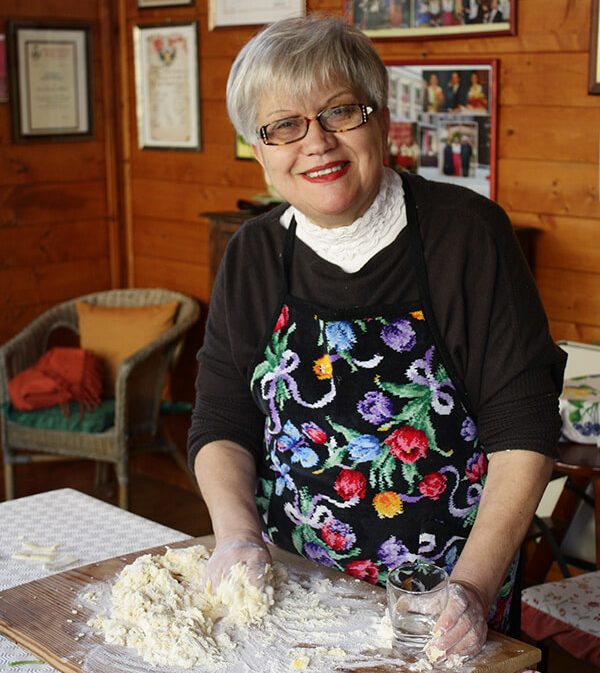
Lucia Martino spoke to the Albanian news agency ATSH about how the community prepared for Christmas. She worked as a community activist, writer, and promoter of Arbëresh cuisine worldwide.
Martino said Christmas held strong significance for Arbëresh families. According to her, households first prepared the Christmas tree and the Nativity scene. In addition, the community observed nine days of prayers known as novenas. Through these prayers, believers asked God to fulfil a wish. As a result, the holiday strengthened bonds within the community.
In the days before Christmas, Arbëresh families sang songs dedicated to the newborn Christ. The community performed these songs exclusively in the Arbëresh language. Meanwhile, from 23 December, especially in large families, relatives gathered to prepare traditional sweets such as scalette and crustuli. Martino explained that people fried Christmas desserts in oil, while they baked Easter sweets.
On Christmas Eve, families prepared the table according to tradition. The custom required seven different dishes. At the same time, the menu excluded meat. In the past, families cooked spaghetti with breadcrumbs and anchovies. Martino described this dish as simple but rich in flavour and said the tradition continued.
As a gastronomy expert, Martino wrote several books to preserve Arbëresh culinary culture. During Christmas Eve, families served dried cod, known as baccalà. They also included turnips, broccoli, and small fried fish. According to Martino, these foods symbolised the family of Nazareth and Christ’s birth in poverty. In addition, families placed sweets on the table for the entire festive period.
In her family, Martino said pancakes always appeared on the Christmas table. She also mentioned giuggiulena, a traditional sweet made with sesame seeds, almonds, and honey.
Later, families prepared Christmas lunch with homemade pasta. They also served oven-baked kid goat with potatoes, fruit, and previously prepared desserts. Martino noted that panettone entered Arbëresh tradition at a later stage.
Regarding religion, Martino said the Arbëresh belonged to the Catholic Church under the authority of the Pope. However, the community followed the Byzantine rite. She added that the Eparchy of Lungro received recognition in 1919. According to her, the community celebrated liturgy in the Arbëresh or Greek liturgy language.
More than a century ago, the Vatican paid closer attention to Byzantine-rite believers. This move followed repeated requests for the appointment of one bishop in Calabria and another in Sicily, both with full territorial authority.
/a.p./
Të ngjashme
Latest News
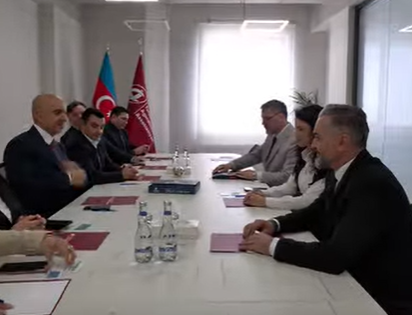
Albania and Azerbaijan Seek Stronger Tourism Ties and New Partnerships
Most read










 RTI