
 English
 Français
  Deutsch
 Italiano
 Turkish
 Greek
Greek Serbian
CNN analyzes the situation in the north of Kosova: This is why tensions are high




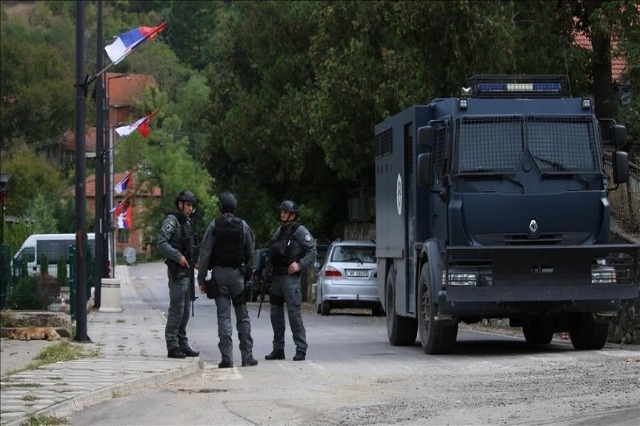
The relations between Kosova and Serbia are once again at their critical point, which culminated with the attack in the north of Kosova.
The killing of the Kosova police sergeant and subsequent shootout in Bitola last weekend, the roots of the tensions go back to the 1990s and the breakup of the former Yugoslavia.
The White House is concerned, warning of an “unprecedented” buildup of advanced Serbian artillery, tanks and mechanized infantry units near the Kosova border and calling for an “immediate de-escalation.”
A history of ethnic tensions
Kosova declared independence from Serbia in 2008, following the 1998-1999 war in which Kosova Albanians tried to secede from what was then the Federal Republic of Yugoslavia, made up of present-day Serbia and Montenegro.
The war marked the culmination of decades of ethnic tensions between the Albanian and Serbian communities.
During the war, NATO intervened to protect the Kosova Albanians. More than 20 years later, fragile peace has been preserved in Kosova, while Serbia continues to not recognize Kosova’s independence.
The Kosova Serb minority sees itself as part of Serbia and Belgrade as its capital, instead of Prishtina.
The majority of Kosova Serbs – less than a tenth of the total population – live in the northern regions and have increasingly demanded greater autonomy from the ethnic Albanian population.
Disputes over the degree of autonomy for the Serb minority continue, with the ethnic group sometimes responding with violent resistance to moves by Prishtina that they see as anti-Serb.
What caused the latest outbreak?
The clash between police and around 30 heavily armed Serbs last Sunday was triggered by an ambush that left one Kosova Police sergeant dead and another wounded.
During the subsequent shootout in the village of Banjska in northern Kosova, police said they killed three armed aggressors and arrested another.
Some of the shootings happened near a Serbian Orthodox monastery, police say. Authorities said they found “logistics equipment, suspected military vehicles, military uniforms, weapons and ammunition of various calibers” in a residential area used by the attackers. Like other villages in the north, Banjska is predominantly Serbian.
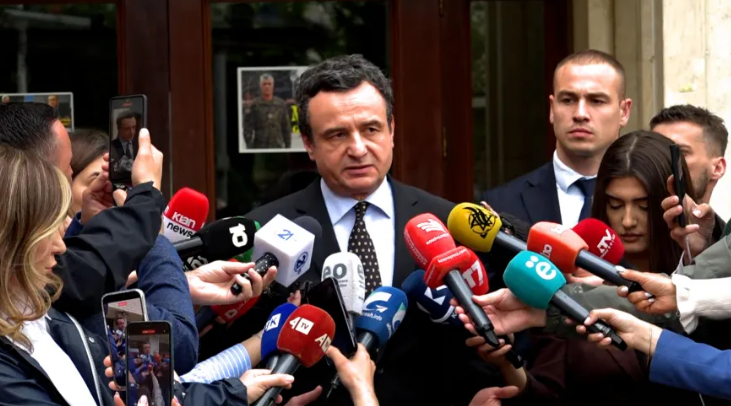
In a Facebook post on Sunday morning, Kosova Prime Minister Albin Kurti described the shooting in Banjska as a “terrorist attack” carried out by what he said were “Serbian criminal gangs”.
Sunday’s outbreak of violence follows unrest in May, which saw dozens of NATO peacekeepers injured after being attacked by Serbs in northern Kosova. The violence erupted after Serbian demonstrators tried to block newly elected ethnic Albanian mayors from taking office in the northern town of Zveçan, following disputed elections in April.
What are both sides saying?
Kosova President Vjosa Osmani pointed the finger at Belgrade for inciting Sunday’s violence. Serbian President Aleksandar Vucic denies the allegations, arguing that Serbia would not benefit from something that would jeopardize its position in EU-sponsored normalization talks with Prishtina, Reuters reported.
Vucic also condemned Kosova police for shooting one of the gunmen in the head after he surrendered “from a distance of one meter”, describing it as an “execution”, according to Reuters. He vowed to investigate the events surrounding the violence, including the origin of the weapons confiscated after the incident by Kosova police.
Senior Kosova Serb politician Milan Radoicic said he participated in the September 24 attack.
In a letter sent to Reuters by his lawyer, Radoicic, who is wanted in Kosova and lives in Serbia, said he “personally prepared logistics for the protection of the Serbian people” and received no help from Serbian authorities.
How is the rest of the world reacting?
The White House has warned that the incident poses a threat to the security of not only Kosova personnel, but also international personnel, including NATO troops.
“According to Kosova authorities, at least 30 people were involved in this attack that resulted in the death of a Kosova Police sergeant,” National Security Council strategic communications coordinator John Kirby told reporters on Friday.
“This is not the type of attack that is carried out randomly, or unplanned or by some small group. The amount and types of weapons that were found represent a threat to the security of not only Kosova personnel, but also international personnel, including NATO troops.
He added that the US is now monitoring a large Serbian military deployment along the border with Kosova.
“We believe this is a very destabilizing development and has basically happened over the last week or so. And we are calling on Serbia to withdraw those forces from the border and contribute to lowering the temperature,” he said, reports CNN.
NATO Secretary General Jens Stoltenberg said that additional forces had been authorized for Kosova after the deadly exchange of fire and also called for de-escalation.
/a.p./
Të ngjashme
Latest News





 RTI
RTI