
 English
 Français
 Deutsch
 Italiano
 Turkish
 Greek
 Serbian
“Corriere della Sera”: Albania, what to see besides the sea and beaches




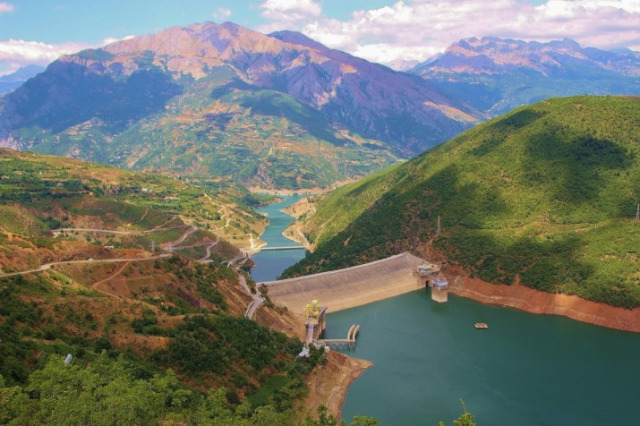
From the bustling capital of Tirana to its historic cities, archaeological parks, picturesque coastlines, tranquil lakes, and pristine mountains, Albania offers a diverse range of attractions.
In recent years, Albania has emerged as one of the most sought-after travel destinations. Despite its proximity, it remains somewhat ‘off the radar,’ brimming with hidden treasures waiting to be discovered. Boasting some of the Mediterranean’s most beautiful beaches and a plethora of captivating sites, Albania has numerous places to visit.
Explore UNESCO-listed cities, wander through archaeological wonders, soak in the coastal charm, the country is a destination that consistently exceeds expectations.
Far from the more commercial and widely-known destinations, Albania emerges as a hidden gem nestled between Greece and Montenegro. The capital, Tirana, is a vibrant and ever-evolving city boasting a rich tapestry of museums, bars, and excellent restaurants offering both local and international cuisine.
In the northern regions, the mountains create a paradise for trekking enthusiasts, with untouched landscapes waiting to be explored.
Heading south, pristine beaches and historic cities invite you to craft an itinerary that seamlessly blends relaxation with cultural exploration. To the east, along the border with North Macedonia, lies an Albania less frequented by tourists, yet brimming with treasures worth discovering at a leisurely pace. Here’s a guide to what awaits you in Albania beyond its captivating sea and beaches.

Where is Albania located
Albania is a state situated on the Balkan Peninsula, sharing borders with Montenegro and Kosovo to the north, North Macedonia to the east, and Greece to the south. To the west, it is embraced by the Adriatic Sea in the northern part and the Ionian Sea in the southern part.
The capital, Tirana, stands out as the most populous city and serves as the primary administrative, commercial, and cultural center of Albania. Tirana is conveniently connected by Tirana “Mother Teresa” International Airport.
A second airport was inaugurated in Kukës, in northern Albania, just a few kilometers from the border with Kosovo. The country’s third airport is also under construction, near Vlora. Additionally, Albania boasts two commercial and tourist ports, located in Durres and Vlora.
What to do in Albania
Albania is a destination that offers a plethora of activities throughout the year. However, summer stands out as the best time to immerse yourself in all that Albania has to offer. Despite its compact size, this country has a lot to explore.
The southern region, with its beautiful beaches, cities like Vlora and Saranda, archaeological parks, and historic cities, is perfect for those who enjoy the sea without sacrificing cultural experiences. From Dhërmi and Gjipë to Jalë, Himara, Qeparo, Borsh, Lukova, and Pulebardha, there’s a string of must-visit beaches stretching from Vlora to Ksamil.
History enthusiasts should prioritize visits to the cities of Berat and Gjirokastër, along with the archaeological site of Butrint.
Venturing into the southern hinterland, with Përmet and Europe’s last wild river, Vjosa, and continuing up to the border with North Macedonia, offers a largely unexplored and authentic experience.
For those seeking relaxation and an escape from chaos, unmissable destinations include Korça, Kolonja, Voskopojë, Lake Prespa, Pogradec, and Lake Ohrid.
For enthusiasts of city life and entertainment, Tirana is a must-visit. The Albanian capital stands out as one of the most vibrant destinations in the Balkans, offering a wealth of museums, galleries, cafes, and restaurants where you can savor the best of local gastronomy.
Alternatively, if you find solace in the mountains, the northern region is tailor-made for you. From Shkodra, boasting the largest lake on the Balkan Peninsula, to the scenic routes from Koman to Theth and Valbona, there is no shortage of opportunities for trekking and immersing yourself in the untouched wilderness.
Even culinary enthusiasts will find delight in Albania. The local dishes are not only delicious but also surprisingly affordable for visitors, especially those coming from Italy.
Indulge in hearty soups, savory stuffed pies, flavorful grilled meats, cheeses, and a variety of sea, lake, and river fish. Don’t overlook the tempting desserts and, of course, the noteworthy local wines. Albania stands as an ideal destination for foodies.

What to see in Albania
Despite its modest size, Albania is teeming with destinations waiting to be explored. Ideally, allocate two weeks for your journey, commencing from Tirana and then venturing into one of the three regions: south, north, or east.
It’s worth noting that many roads remain impassable in numerous locations, and distances that may seem short on the map can often translate to several hours of travel by car. Local means of transportation are frequently inefficient, making it advisable to have your own car for seamless exploration of the country.
Tirana the capital of Albania

The capital, Tirana, serves as the gateway to Albania. At the heart of the city lies Scanderbeg Square, featuring a statue of the Albanian hero who defended the country and the West against the advance of the Ottoman Empire in the 15th century.
Scanderbeg Square is surrounded by notable landmarks including the Opera and Ballet Theatre, the Bank of Albania, the Et’Hem Bej Mosque, and the National Historical Museum. Within the museum’s rooms, the history of Albania unfolds, narrating the journey from the Paleolithic era to the present day.
The Museums of Tirana
However, Bunk’Art2 takes center stage as a platform for delving into the history of communist Albania during the years of Enver Hoxha’s dictatorship.
Another notable museum is the House of Leaves, dedicated to the activities of the secret police and espionage during the dictatorship. In recognition of its significance, it was awarded the Museum Prize by the Council of Europe in 2020.
The National Gallery of Art boasts a rich collection of works by Albanian painters spanning from the late 19th century to the 2000s.
At the city’s outskirts, Bunk’Art1 is a museum housed within the largest anti-atomic bunker in Albania. Across its expansive one hundred rooms, the museum narrates the history of the Land of Eagles, encompassing the period from fascist occupation to communism.
The Piramida, once the mausoleum of dictator Enver Hoxha and later a NATO base during the Kosovo war, has undergone a transformation into the largest cultural, scientific, and technological center in the Balkans.
A brief stroll from this iconic structure leads to the Air Albania Stadium and the Great Park, the verdant heart of the capital.
A mere few meters away lies Blloku, the celebrated nightlife district of Tirana, renowned for its myriad cafes, restaurants, bars, and captivating street art.
During the dictatorship years, it was exclusively reserved for the political elite, barring entry to other individuals.
Pazari i Ri, the vibrant fruit and vegetable market, and Kalaja e Tiranës, Tirana’s old castle, stand out as two ideal spots for purchasing city souvenirs and unwinding with a coffee.
Moreover, Tirana hosts the World Center of the Bektashi, an Islamic brotherhood of Sufi origin established in the 13th century.
What to see near Tirana
A few kilometers away from Tirana, Kruja and Durres are typically explored in a day from the capital.
Kruja:
Kruja, the ancient capital of the country, boasts one of the most beautiful bazaars in the Balkans, an old castle, the Skanderbeg Museum, an ethnographic museum, and Albania’s first widespread hotel.
Durres:
Durres, a city overlooking the Adriatic and home to the main Albanian port, safeguards notable archaeological sites. Among them, the most renowned is the amphitheater, capable of accommodating up to 20,000 people.
In the vicinity, the beaches of Golem, adorned with fine sand and pine forests, as well as Kepi i Rodonit, featuring wild beaches and Mediterranean scrub, become highly popular during the peak season.

Vlora
Vlora serves as the starting point for exploring the southern Albanian Riviera, culminating in Ksamil just before the Greek border.
The city offers a captivating blend of beaches and cultural points of interest, including the Zvernec Monastery surrounded by a beautiful lagoon, the historic Kanina Castle, and the Karaburun Peninsula Marine National Park with the adjacent Sazan Island.
It is a former military area, showcasing some of the most exquisite beaches in Albania, along with caves, bunkers, and pristine landscapes.
The beaches of Zvernec to the north and those of Orikum and Radhimë to the south are particularly favored by families with small children, thanks to their shallow waters.

The southern coast of Albania
Starting from Vlore and traversing the Llogara mountain pass, you unveil the most captivating tourist destinations in southern Albania.
The coastal landscape unfolds as a succession of mountains and stone villages, including Dhërmi, Vuno, and Qeparo. It features postcard-perfect beaches like Gjipë, Jalë, Himara, Qeparo, Borsh, Lukova, and Pulebardha, alongside picturesque canyons and sea-view castles.
Saranda stands out as the must-visit destination for those seeking vibrant nightlife.
Ksamil, the renowned seaside resort in Albania, draws crowds during the peak season, especially in the month of August.
A few kilometers from Ksamil, Butrint Park stands as the most significant archaeological site in Albania. Its archaeological remains span from the Illyrian era to the Middle Ages.
Notable features include the Roman theatre, the 6th-century basilica, the early Christian baptistery, the Lion Gate, and the Venetian fortress with its accompanying museum.
Southern hinterland
The southern hinterland unfolds as a cascade of surprises.
Berat, a stone jewel, features houses adorned with windows, churches, mosques, museums, and an ancient castle that remains inhabited. This castle provides delightful views of the valley below.
The village of Tepelenë, situated along the Vjosa River, is renowned for having the best water source in Albania. Additionally, Tepelenë is the birthplace of Ali Pasha, an Albanian governor during the Ottoman Empire, who hosted distinguished figures at his court, including the English poet Lord Byron.
Further inland lies Përmet, home to the natural spa of Benjë and boasting one of the finest gastronomies in Albania.
Continuing south, Gjirokastra, the birthplace of the former dictator Enver Hoxha, emerges as a stone jewel adorned with nineteenth-century residences, bustling bazaars, and charming traditional taverns.
The castle presents panoramic views, capturing the essence of the historic center and the surrounding mountains in a postcard-perfect setting.

The Lesser-Touristed Albania
For those who have already visited Albania and yearn to explore less touristy locales, heading east is the key. Situated on the border with North Macedonia, Pogradec is a town overlooking Lake Ohrid.
On the shores of the oldest body of water in Europe, you’ll also find the charming villages of Lin, Drilon, and Tushëmisht.
Dishes based on Koran fish are savored in coastal taverns. This freshwater delicacy is exclusive to the region, so ensure it comes from a farm, as direct fishing in the lake is prohibited.
Descending further, you encounter Lake Prespa, a habitat for numerous animals, and Korça, a cultural gem in Albania. The city center boasts beautiful late 19th-century villas, an ancient bazaar, the largest Orthodox cathedral in the country, and intriguing museums.
Near Korça is Voskopojë, a mountain-hidden village adorned with captivating frescoed churches.
Scutari and Northern Albania
Moving to Scutari and Northern Albania, Scutari is another city worth exploring leisurely, serving as an ideal base to discover the treasures of northern Albania.
The Marubi National Photography Museum, churches, mosques, and the grand castle of Rozafa all beckon for a visit.
From Scutari, buses depart for Koman, offering the opportunity to embark on a ferry boat adventure amidst the mountains.
Unspoiled landscapes unfold continuously until reaching Valbona, an ideal stop for enthusiasts of trekking and hiking.
For those who cherish the mountains and outdoor activities, Theth is another captivating destination, an enchanting village embraced by alpine woods.

Climate and best time to visit Albania
Thanks to its mild climate and diverse landscapes, every season is opportune to explore Albania. Additionally, the rich annual calendar of events, concerts, and festivals adds vibrancy to Tirana and the primary tourist destinations throughout the year.
Late spring and summer, especially in June and September, stand out as the optimal times to visit Albania, particularly its beaches.
Summer, being the ideal season, allows for exploration of the north and organizing mountain excursions.
During winter, temperatures can drop significantly in the north, as well as in the areas of Pogradec and Korça, where snowfall is not uncommon. In December, the larger cities come alive with lively Christmas markets.
In recent years, the Albanian Riviera has gained fame for hosting captivating festivals, including the South Outdoor Festival in Borsh, the Kala Festival, and the Ion Festival in Dhermi.
On the other hand, Korça is renowned for the Beer Festival dedicated to the locally-produced beer of the same name.
In Tirana, the most significant cinema event in the country is the TIFF-Tirana International Film Festival. The Tirana Marathon has also become a regular autumn fixture in recent years.
Moreover, the Book Fair stands out as the largest Albanian event dedicated to the world of publishing.

How to get to Albania
Whether by plane, car, bus, or boat, there are ample connections to reach Albania.
Tirana is served by Mother Teresa International Airport, where numerous national and low-cost airlines operate. Airlines such as AirAlbania, Ita Airways, AlbaWings, Ryanair, and WizzAir connect the main Italian airports with Tirana.
For those opting to reach Albania by sea, the Adria Ferries company operates the Ancona-Durres and Bari-Durres routes.
Meanwhile, GNV ferries connect the port of Durres with Bari, and in both cases, it is possible to embark your private means of transport.
Travelers entering Albania from Saranda (via a flight from Italy to Corfu and then the Corfu Town-Saranda ferry) and wishing to reach Tirana can take a van. However, the journey is quite lengthy, and it is recommended to rent a car directly in the coastal city.

Documents to go to Albania
To travel to Albania, a passport is not required. A valid identity card for international travel is sufficient.
How to get around Albania
The most convenient means of transportation for navigating Albania is by car. Public transport is frequently inefficient, and the roads to various destinations are often lengthy and demanding.
The Italian driving license is valid. If your car or motorbike insurance does not cover Albania, you must obtain insurance on-site, directly at the port. The minimum coverage is for two weeks and costs €50.
What currency is used in Albania
The local currency is the lek (€1 corresponds to approximately 114 lekë), although the euro is widely accepted in hotels, restaurants, museums, and bars.
Many places only accept cash and not credit cards. Exchanges, known as “kembim currency,” are available in all the main centers where you can change euros.

What to eat in Albania
Among the most intriguing gastronomic destinations in the Balkans and southern Europe is Albania. So, what do you eat in Albania?
In addition to byrek, phyllo pastry pies typically filled with spinach, minced meat, or cheese, there are numerous other dishes to savor.
Qoftet are spiced meatballs. Tavë kosi is a casserole made with lamb, yogurt, and flour. On the other hand, fërgesë is a casserole featuring salted ricotta, peppers, and tomatoes.
Other excellent options include fried peppers, goat’s cheeses, fish soups, salads, grilled meat, stuffed aubergines, and sarma, vegetable rolls.
Among the desserts worth trying are baklava with phyllo dough, walnuts, and sugar syrup, trilece with sponge cake, milk, and caramel, and sultjash, a rice pudding with milk and a sprinkle of cinnamon.
For more information on Albania, you can visit albania.al
/m.ll/
Të ngjashme




Latest News










Most read










 RTI