
 English
 Français
 Deutsch
 Italiano
 Turkish
 Greek
 Serbian
Culture and Traditions of the North Albania




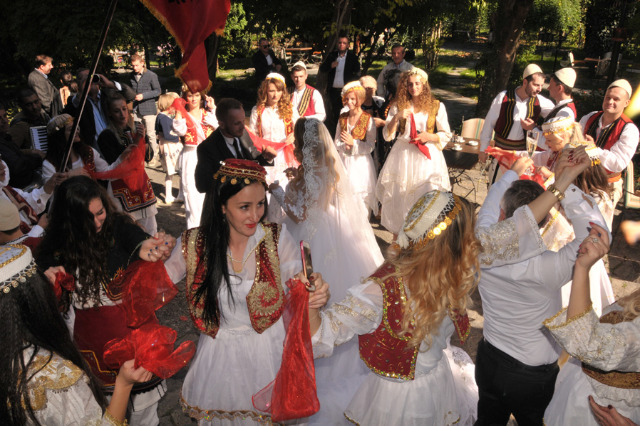
The culture and traditions of the northern region are characterized by their diversity and richness, which reflect the area’s history and heritage. This region boasts numerous distinctive traditions that serve as a significant reflection of the culture and identity prevalent in the area.
One of the most renowned traditions in the northern region is their traditional music and songs. Traditional melodies and music play a vital role in the culture of the North, contributing to the emergence of famous traditional singers from this area. Among the prevalent musical instruments in the north, the lute—a stringed instrument—is highly popular and frequently utilized in traditional music.
Traditional attire holds significant importance in the culture and traditions of the northern regions. Clothing styles differ across various areas, commonly featuring frocks and hats for men, while women often wear kerchief dresses and vibrant-colored clothing. These traditional garments are intricately detailed with diverse colors and hold a central role in festivals and cultural events in the north.
Several significant traditional holidays are observed in the north, including the Eid holiday and Christmas. Moreover, the Second Easter holiday stands out as one of the most popular celebrations in the region. This occasion is marked with the preparation of traditional foods, accompanied by the melodic tunes of traditional songs and music.
In conclusion, the culture and traditions of the North are characterized by their richness and diversity, serving as a testament to the area’s history and heritage.
The influence of tradition on northern weddings
Indeed, tradition and culture wield significant influence over Northern weddings. These ceremonies hold a longstanding history and rank among the most pivotal cultural events in the region. With their distinct traditions and rich cultural practices, weddings in the North serve as a profound expression of cultural heritage and stand as a crucial element in defining the cultural identity of the community.
In Northern weddings, local cultures find expression through numerous elements, including traditional attire, local songs and music, customary foods, and ceremonial practices. These components collectively create a unique atmosphere at weddings, heightening the sense of joy and celebration. They serve as vibrant representations of the region’s cultural richness and add depth and meaning to the wedding festivities.
In certain wedding traditions observed in the North, particularly those associated with cultural performances, dance, and music, the exclusion of alcohol or foods that might lead to loss of control or unpleasant situations is a common practice. This deliberate omission serves as a significant sign of respect for local culture and traditions. It underscores the reverence for cultural norms and values, ensuring that celebrations maintain a sense of decorum and uphold the dignity of these customs.
The tradition of giving appreciation gifts is yet another example of how culture and tradition profoundly influence weddings in the North. These gifts hold immense significance, often being special and personalized tokens that reflect a distinct taste for the occasion. They frequently comprise locally crafted and intricate items, showcasing the integration of cultural heritage into the wedding event. These thoughtful gifts not only convey appreciation but also serve as tangible representations of the region’s cultural richness and heritage.
Absolutely, culture and tradition play a central and pivotal role in Northern weddings, acting as guardians that preserve cultural heritage and uphold the identity of the community. They serve as the heartbeat of these celebrations, ensuring that the rich cultural legacy is not only preserved but also passed on to future generations, thereby keeping the identity of the community alive and thriving.
/m.ll/
Të ngjashme




Latest News










Most read










 RTI