
 English
 Français
 Deutsch
 Italiano
 Turkish
 Greek
 Serbian
Cyber-attack on INSTAT poses no risk to banking data, caution is still advised




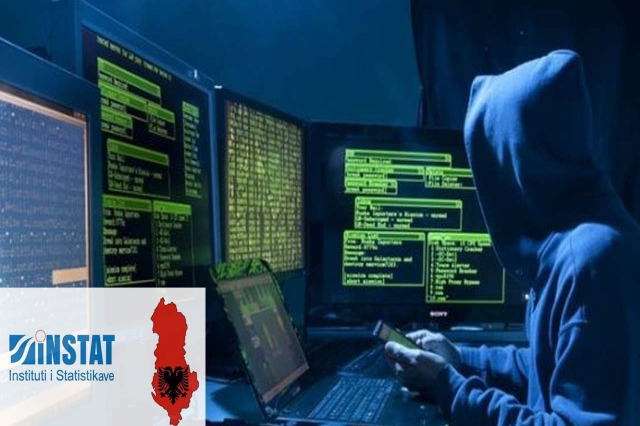
Banks and public institutions are frequent targets of cyber-attacks, with objectives ranging from the theft of confidential data to causing substantial financial damage to both citizens and the institutions themselves.
Only a day ago, the Institute of Statistics fell victim to hackers who claim to have accessed more than just statistical data of the Albanian state.
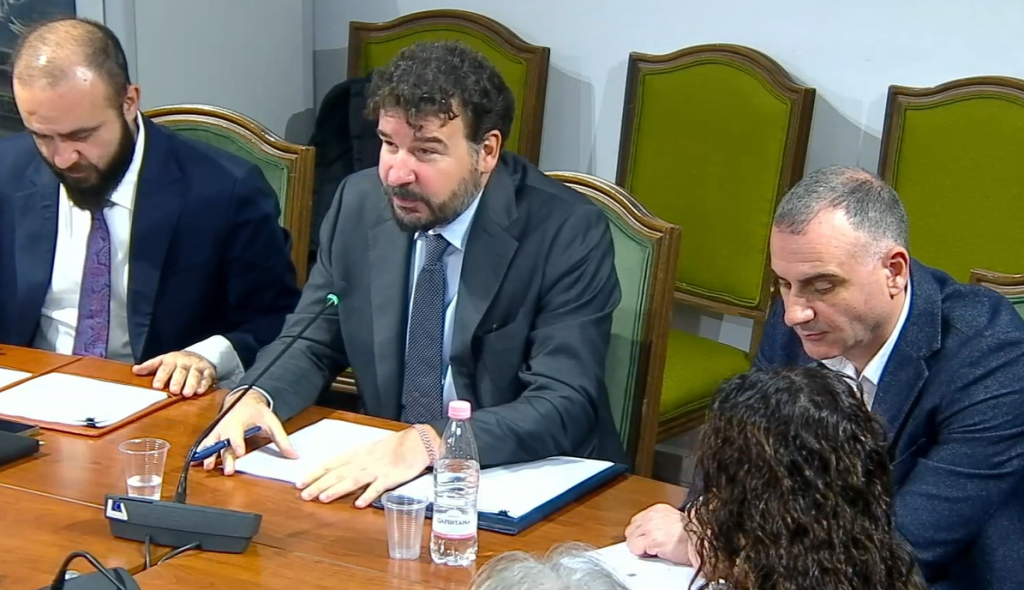
In this regard, IT expert Said Duleviç was invited to the studio of ‘Good Morning Albania’ today to discuss hacking, computer piracy of money, and other related data.
“The bank data are not at risk because they belong to private institutions, and their databases are not shared with state institutions. What should concern us in such cases is the exposure of personal information, including addresses and phone numbers,” cited Mr. Duleviç.
The global phenomenon of bank card theft is a concern for law enforcement and financial authorities. The expert emphasized that ATMs installed in public places continue to pose a significant risk.
ATMs are machines, and behind them is a computer. However, it’s crucial to recognize that before we use an ATM, there are individuals on the other side exploiting every opportunity to take money from citizens. Therefore, exercising caution and being vigilant is necessary.
There is a risk of card duplication, where devices can clone the card when it’s inserted. Additionally, attackers may install mini-cameras to capture the citizen’s PIN. If successful, this process makes it very easy for them to proceed to the next ATM and withdraw money.
“Even if such an incident occurs, it is not the citizen’s money that is affected, but the bank’s. This is because the bank has the duty to refund the money if the citizen reports a suspicious transaction with the card. One can directly view the last transactions from the mobile phone,” explained Mr. Duleviç.
A large portion of people remains unfamiliar with the online world, and many lack essential information.
“It should be the responsibility of banks to periodically inform citizens through various campaigns, promoting increased caution, especially regarding suspicious ATMs. Citizens should report any unusual activities they observe. All these efforts should be part of a comprehensive education initiative. I’ve personally observed instances where seniors, when using ATMs, may seek assistance from younger individuals. Unfortunately, this presents a risk, as the younger person might take pictures of both sides of the card and observe the PIN being entered. This information can then be misused for online purchases, leaving the citizen unaware of the unauthorized use of their card,” explained Mr. Duleviç.
/m.ll/
Të ngjashme



Latest News









Most read










 RTI