
 English
 Français
 Deutsch
 Italiano
 Turkish
 Greek
 Serbian
EU Analyzes Reform Agendas: Von der Leyen to Meet Balkan Leaders on September 19




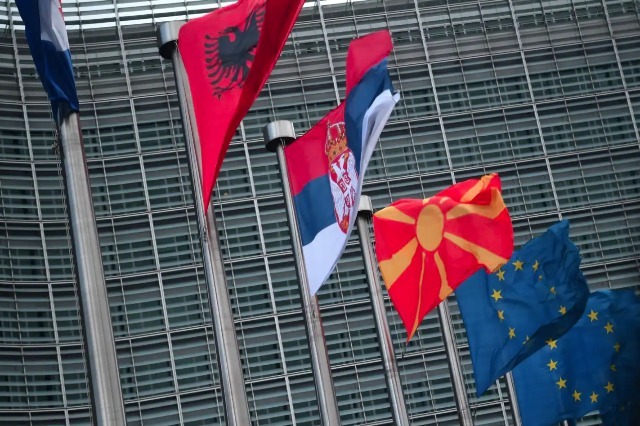
European Commission President Ursula von der Leyen, re-elected for another five-year term, will convene Western Balkan leaders for a working lunch in Brussels on September 19. The meeting signals her continued focus on the region and the EU enlargement process.
The main agenda is the discussion of the “Reform and Growth Agendas,” submitted by most Western Balkan countries to the European Commission. These agendas are crucial for unlocking initial payments from the EU’s Growth Plan for the Western Balkans, approved in May. Von der Leyen has been a strong advocate of the plan, which has received backing from the European Parliament and EU member states.
This gathering will review the progress of these countries in meeting the plan’s objectives. Five countries have already submitted their agendas, but Bosnia and Herzegovina has yet to do so, delayed by internal political challenges.
The European Commission had aimed to approve these reform agendas by mid-September, ahead of the meeting, but the process has been pushed to October. Bosnia’s pending submission is a key reason for the delay, and with local elections on the horizon, their agenda is not expected until then. These delays may hinder the EU’s goal of disbursing initial payments to the most advanced countries by year-end.
Unofficial projections estimate Kosovo could receive over €880 million from the Growth Plan, including €250 million in grants and the rest in favorable loans. The allocation of funds is based on criteria like GDP and population. Countries have been warned that if reforms are not implemented within the next one to two years, funds may be redirected to others.
The EU Growth Plan for the Western Balkans aims to distribute €6 billion between 2024 and 2027, with €2 billion in non-repayable grants. The plan’s purpose is to boost economic growth and accelerate EU integration for the region.
Eligible beneficiaries include Kosovo, Albania, North Macedonia, Montenegro, Bosnia and Herzegovina, and Serbia. The plan also seeks to enhance regional cooperation and the development of a common market, aligning with the EU single market.
EU officials stress that the Growth Plan is not a substitute for EU enlargement but is designed to facilitate the accession process. Countries must meet conditions, especially in the areas of rule of law and financial oversight, to access funds.
The €6 billion Growth Plan is seen as the EU’s most ambitious initiative for the Western Balkans, and Kosovo’s projected €900 million allocation represents its largest ever financial support package from the EU.
/a.p./
Të ngjashme









Most read










 RTI