
 English
 Français
 Deutsch
 Italiano
 Turkish
 Greek
 Serbian
EU distributes 450 million euros for the Western Balkans




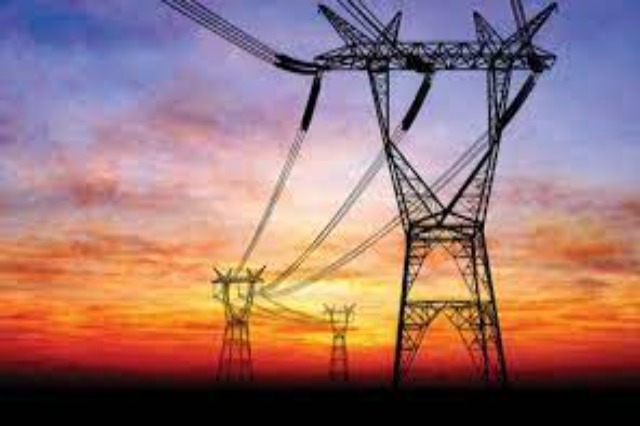
In December 2022, during the EU-Western Balkans Summit, when the EU reaffirmed its full and clear commitment to the perspective of the Western Balkans’ membership in the European Union, the European Commission announced an unprecedented €1 billion Energy Support Package to mitigate the immediate situation, the effects of the energy crisis and the acceleration of the energy transition in the region in the short and medium term.
As part of this Energy Support Package, between February and May 2023, the European Commission disbursed 450 million euros, providing 90% of the total support of 500 million euros foreseen to alleviate the rapid increase in energy costs for households in need and SMEs, offering its commitments. This component, as the first part of the Energy Support Package, was drawn up based on the specific action plans of the Western Balkan partners, outlining how governments intended to address the energy crisis through a mix of policy reforms and measures, as well as aid directly to families in need and small and medium enterprises.
The EU Commissioner for Neighborhood and Enlargement, Olivér Várhelyi, said:
“The energy crisis is a common challenge for the EU and the Western Balkans. The European Union is the first and most reliable partner of the region. I am happy to report that we have delivered on our promise and that our support is making a real difference to our partners, especially people in need, families and SMEs struggling to pay their energy bill. We look forward to the implementation of the Western Balkans national energy action plans to disburse the rest of the allocated funds.”
The measures, as outlined in the national action plans by the governments of the Western Balkans, include, among other areas:
-Albania is subsidizing energy prices for households and SMEs, financial aid for vulnerable people and diversifying energy sources through new wind and solar investments.
-Bosnia and Herzegovina is supporting households in need to mitigate the impact of high energy prices, as well as households and SMEs to improve energy efficiency.
-Kosovo is providing financial support to vulnerable families, promoting energy saving and increasing the energy efficiency of buildings.
-Montenegro is supporting pensioners and the most vulnerable families affected by rising energy prices and efficiency improvements in households, companies, tourism and industry.
-North Macedonia is also subsidizing household electricity bills, supporting SMEs to maintain business continuity and promoting state investments in energy transition, renewable energy sources and energy efficiency.
-Serbia anticipates a gradual increase in the number of protected families in need.
The second part of the package, consisting of the remaining 500 million euros in grants, is offered to advance the energy transition, efficiency and independence of the Western Balkans in the short and medium term. Therefore, we provide financial support for renewable energy, gas and electricity projects, interconnectors, upgrading of district heating and renovation of old infrastructure (eg, old blocks of flats, hospitals and public buildings).
Addressing immediate, short- and medium-term needs in the Western Balkans in the context of the ongoing energy crisis, the substantial €1 billion energy support package will help Western Balkan partners in the region begin to reduce their dependence on Russia. fossil fuels, accelerate decarbonization and improve the region’s energy security.
/k.s/
Të ngjashme

Latest News









Most read










 RTI