
 English
 Français
 Deutsch
 Italiano
 Turkish
 Greek
 Serbian
EU study: Heat waves in the Balkans have doubled, Albania the most affected




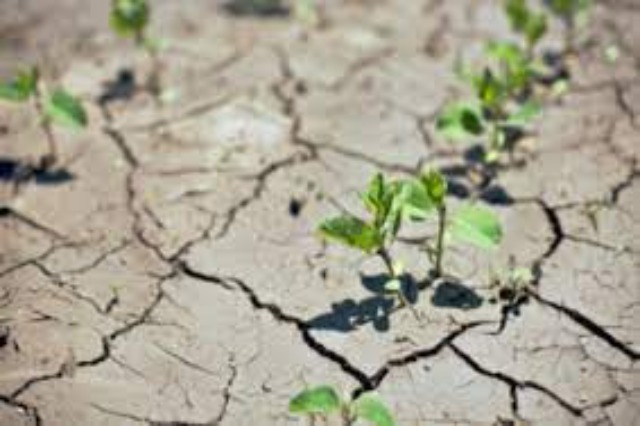
In a warmer climate, heat waves are becoming more frequent, causing severe impacts on human health, wildlife, fires and human activities such as agriculture and energy. A recent European Commission study notes that, in the Western Balkans, summer heat waves in the last two decades increased rapidly, but it seems that Albania is the hardest hit. The study of the European Commission notes that the magnitude of extreme heat waves, described with the heat wave magnitude index (HWMI) increased throughout the Western Balkan region, especially along the eastern shores of the Adriatic Sea. The largest increases were observed in northern Albania, southern Bosnia and Herzegovina and Montenegro. An increase in the intensity of heat waves is also observed in Northern Serbia, Kosovo and the Republic of North Macedonia. The study points out that the dimensions of extreme heat waves in the Western Balkans have doubled during the last two decades compared to the period 1981-2000. The worst heat wave before 2000 occurred in 1987 with a magnitude index of around 12. After 2000, this value was already exceeded seven times with record magnitude heat waves 50% greater than the year’s record. 1987.
Also, the European Commission notes that the overall air quality situation in the Balkans is still critical and the pollution trend is increasing.
“Water pollution is also at high levels in the Region” the study finds. Almost 45% of the waters failed to get a good status, while in the ecological assessment 54% could not get a good status, the study estimated. Land degradation is widespread throughout the Western Balkans region and this is more visible. in Albania due to the more broken terrain and the massive damage to the forests. The European Commission found that soil erosion and its degradation due to high pollution are the most dangerous effects of the impact of the climate.
Unsustainable land management practices and natural causes of land degradation in the Balkans have a major impact on climate change as demonstrated by increased heat waves and longer summers.
/Klara Ruci/
Të ngjashme



Latest News





Most read










 RTI