
 English
 Français
  Deutsch
 Italiano
 Turkish
 Greek
Greek Serbian
Eurostat: Albania fourth with the largest population decline in Europe compared to the 90s




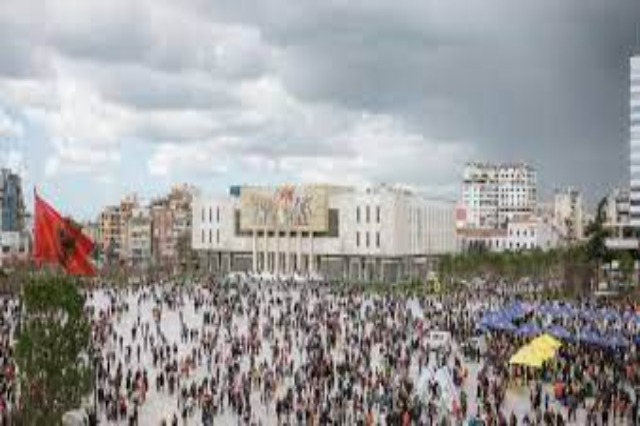
Bulgaria, Romania, Croatia and Albania are the four countries that have recorded the largest decline in their population in percentage compared to the beginning of the 1990s (the Baltic countries are not included).
The data have been published today by Eurostat, in the report on the progress of the population of Europe since the 1960s, on the occasion of World Population Day.
According to Eurostat, in 2022, the population of Albania decreased to 2.79 million inhabitants, which is the lowest level since 1982. Compared to the early 90s, the population has shrunk by almost 15%.
From 1960, when Eurostat reports the data, Albania’s population doubled, peaking in 1991 with nearly 3.3 million inhabitants. Then, the contraction began, influenced first by high immigration and then by both the return of the immigration cycle and the gradual aging of the population, influenced by both immigration and the number of births.
In 2020-2021, the population decline accelerated also due to the consequences of COVID, which significantly increased mortality in the country,
The European record for population decline since the early 1990s is held by Bulgaria, with -21.1, followed by Croatia (-18.9) and Romania (-17.9).
The population of Serbia, in relation to the year 1995 (when it separated from Montenegro), has decreased by almost 11%, while that of Montenegro by 2.4% for the same period.
The population of North Macedonia results in a slight contraction of less than 3%, but for a long time there has been a debate in this country regarding the population census and its real number.
The population of Kosovo is also shrinking, which has been reduced by 10.2%, compared to 2003, when the data were reported for the first time.
/Klara Ruci/


















 RTI
RTI