
 English
 Français
 Deutsch
 Italiano
 Turkish
 Greek
 Serbian
– Exploring the Natural and Cultural Treasures of Our Land, Nivica “Labëria’s Watchtower Village”




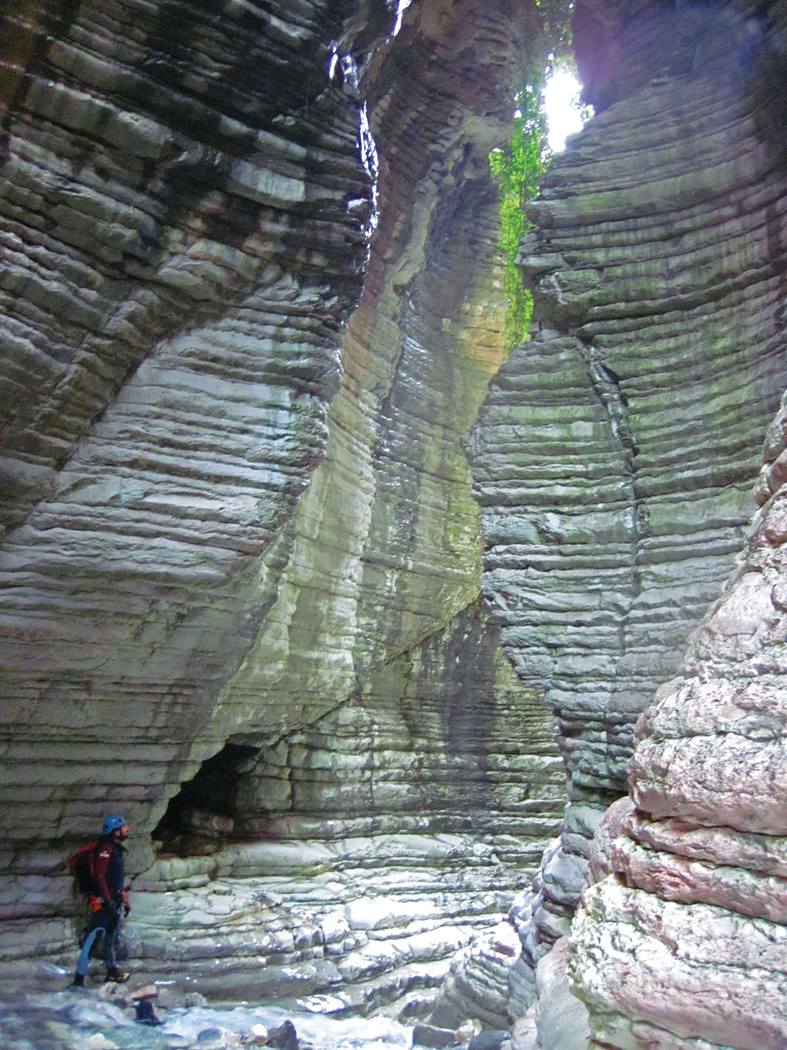
Today, we journey to southern Albania to discover a hidden gem perched high in the mountains—Nivica, often called the “Labëria’s Watchtower Village”.
Rising 750 meters above sea level on the slopes of Mount Këndrevica, this picturesque village offers more than breathtaking views. Nivica is a unique blend of natural splendor and deep-rooted history, stretching back to the time of the ancient Illyrians.
With its dramatic canyons, one of Europe’s tallest waterfalls, and unspoiled landscapes, Nivica offers visitors a rare mix of adventure, tranquility, and cultural heritage. It’s a place where the past and present coexist—where ancient legends still echo through the oak groves, and the promise of sustainable tourism breathes new life into local communities.
Just 30 kilometers from Tepelena, Nivica is today the largest village in the Kurvelesh region, covering 105 square kilometers. It almost appears to float above the valley—suspended between sky and stone.
A Glimpse into History
Although Nivica only recently emerged on Albania’s modern tourism map, it has long been a site of historical importance. The Romans built a fortress here between the 4th and 2nd centuries BC, which became the nucleus of an ancient settlement. The area was once a key crossroads for major routes, including the Roman Via Salaria—still one of the longest and most important roads in Rome—along with paths leading to Kuç, Bënçë, and Vërnik. These strategic connections made Nivica one of the most significant centers of the Illyrian Amantes tribe.
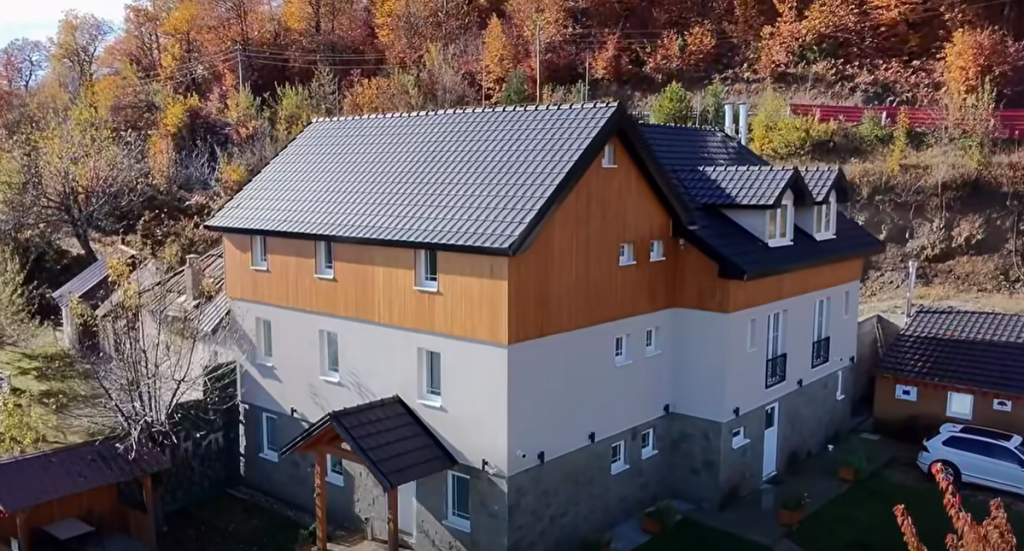
In recent years, the village center was revitalized through Albania’s “100 Villages” project, transforming it into a welcoming, sustainable destination without sacrificing its authenticity.
Nature’s Untouched Beauty
The natural wonders of Nivica are nothing short of spectacular. Towering canyons, long hidden from the public eye, now attract nature lovers from around the world. A majestic 220-meter waterfall—among the highest in Europe—plunges down the rocks, while streams trickle through narrow ravines. Sefer’s Peak, wrapped in ancient oak forests, is believed to host the last surviving pagan temple in the region, still quietly honored by the locals.
In the heart of the village, you’ll find a massive plane tree that has stood for over 250 years. Its generous shade offers a moment of peace, a place to reflect and take in the village’s serene rhythm.
Getting There and Staying Local
If you’re traveling by car, take the turnoff to Nivica from the Tepelena–Gjirokastër road. For those using public transport, catch a bus from Tirana to Tepelena, then continue the journey with a local taxi.
Nivica is deliberately avoiding the trappings of mass tourism. Instead, it’s becoming a model for eco-friendly travel, with small, family-run guesthouses offering visitors a warm, personalized experience that reflects the hospitality of the region.
A Place of Travelers and Thinkers
Throughout history, Nivica has inspired and welcomed both Albanian and international figures. Among its most famous visitors were the British explorer Edith Durham in the early 20th century, and Luigi Ugolini, the Italian archaeologist renowned for his work at Butrint.
Nivica is more than a scenic escape—it’s a living mosaic of Albania’s heritage, where untouched nature and ancient traditions continue to thrive side by side. Its trails, waterfalls, and stories invite travelers not just to visit, but to connect—with the land, the people, and a vision of a future rooted in respect for the past.
As we look ahead, villages like Nivica remind us that preserving nature and honoring tradition are not opposing paths—they’re part of the same journey. By embracing sustainable tourism, we ensure that these magical places remain vibrant, authentic, and alive for generations to come.
Të ngjashme
Latest News










Most read










 RTI