
 English
 Français
 Deutsch
 Italiano
 Turkish
 Greek
 Serbian
Head of the CEC, Celibashi: We achieved to implement with success the electronic voting





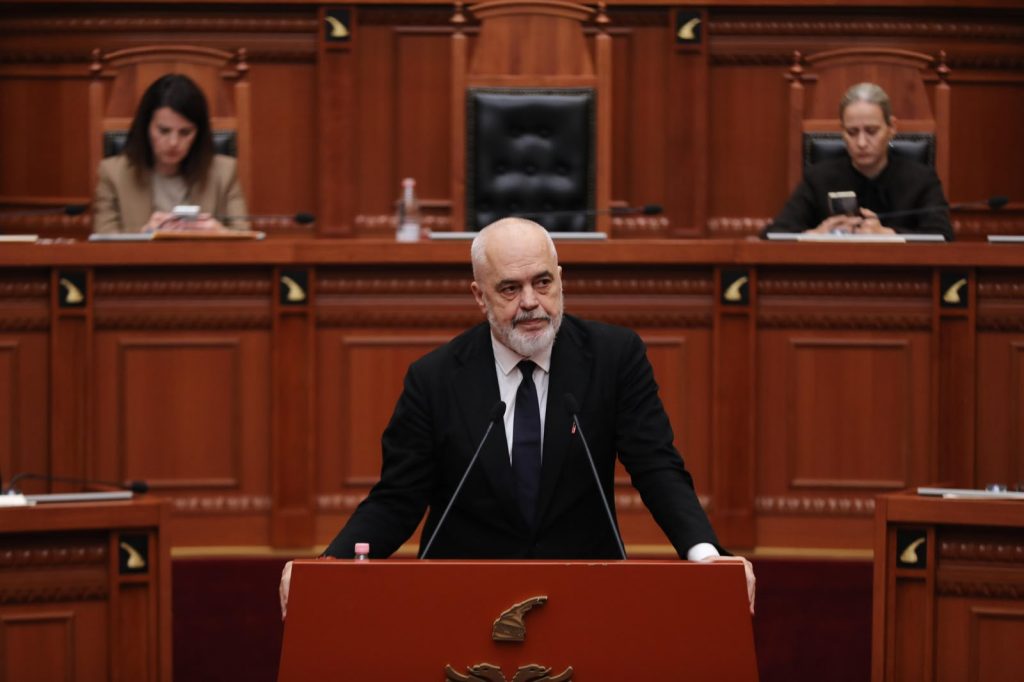
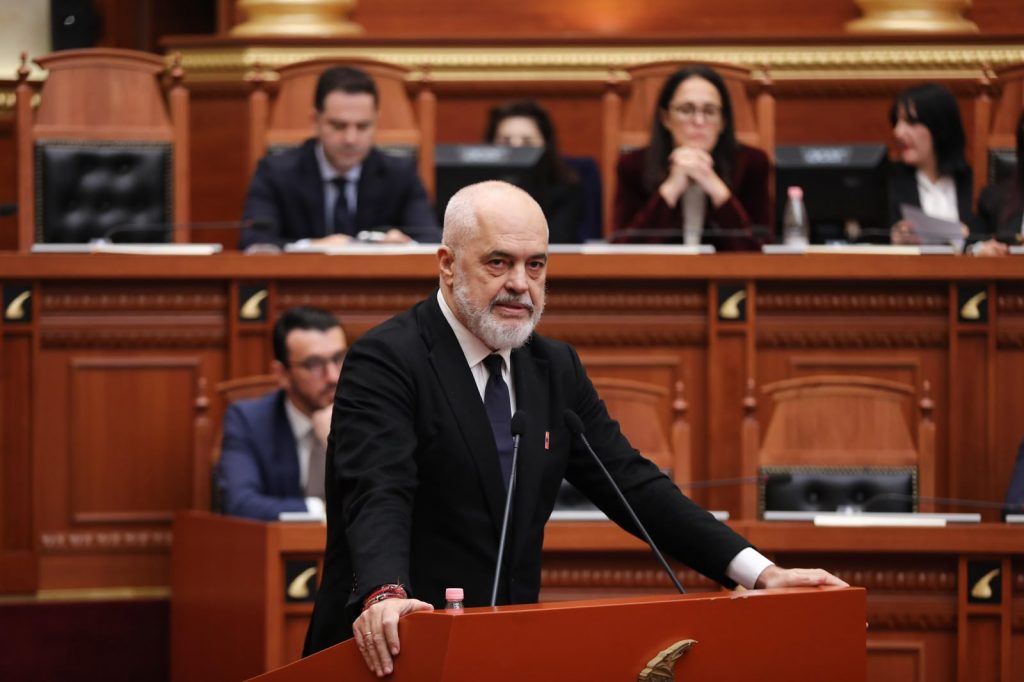
The State Election Commissioner, Ilirjan Celibashi held today a hearing session at the Law Commission, where he reported on the activity of this commission for 2020.
Celibashi said that “the CEC in its activity for 2020 has kept in mind all the recommendations of the Assembly, while adding that the activity of the CEC is closely related to political developments in the framework of the amendments to the Electoral Code.”
“The beginning of 2020 was limited by the pandemic, while in the following the activity of the CEC was intensive for the preparation of the elections of April 2021. In general, the activity of the CEC is divided into two periods, January-October and the other in October-December. 2020. After October 2020, the institution has a different configuration and technically the CEC represents today a new institution, consisting of 3 structures “, said Celibashi.
He stressed that “in the first period, most of the activity is occupied by acts related to decriminalization, as well as the annual financial reports of political entities that participated in the local elections 2019”.
Meanwhile, according to Celibashi, the period October-December 2020 focuses on intensive preparations for the elections of April 25, 2021.
“In assessing the changes in the Electoral Code, the CEC drafted an action plan for these elections. Numerous amendments to the Electoral Code just 7 months before the elections brought a higher dynamism to the administrative process of the CEC institution in general.
“Throughout the preparatory process for the April 25 elections, the activity of the CEC has been completely transparent”, said Celibashi.
Despite the limited time, Celibashi stressed that “the CEC managed to apply the technology in the elections with the electronic identification of voters, the installation of cameras in the polling stations and the application of the pilot project for electronic voting.”
He stressed that the CEC coordinated closely with the government, especially with the Ministry of Finance and Economy, to ensure full funding, as required by the Electoral Code, of the electoral infrastructure.
“The state budget financed the electronic identification project, the pilot project of electronic voting, the installation of cameras in polling stations and all other key aspects,” said Celibashi.
In conclusion, he stressed that the CEC during 2020 fulfilled all obligations imposed by the Electoral Code regarding the activity it had to perform for the preparation of the 2021 elections.
Të ngjashme




Latest News




Most read










 RTI