
 English
 Français
 Deutsch
 Italiano
 Turkish
 Greek
 Serbian
Immigration and population aging reduce the number of households in the country for the second year in a row




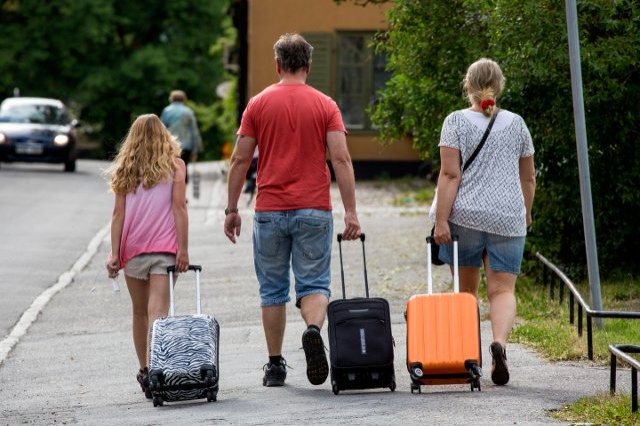
The number of households in the country has been declining for the second year in a row, reflecting the gradual aging of the population as well as the high rates of emigration, which has accelerated in recent years, including households.
In 2020 there were about 769 thousand families in the country, or 2,637 families less than a year ago, according to the Household Budget Survey. Even in 2019, the number of families fell by about a thousand, compared to the previous year. Since 2018, when their highest number was recorded, there are about 3,700 fewer families in the country (-0.5%).
A large emigration survey conducted by INSTAT, in cooperation with donors in about 20 thousand families in the period April-July 2019 has revealed a frightening fact in the past decade, as the phenomenon has expanded to emigrate the whole family. During the last 10 years, 6.6% of the families have left the country, a total of 49,500, while in the years 2001-2011, 4.4% of the family units had left.
In the total number of families displaced abroad, Tirana has the largest number, where it is reported that 10.3% of the total population has left, while the counties with the largest population losses are Kukësi and Tropoja in the North, Durrës and Elbasan in center and Fieri in the South.
The survey found that economic conditions, including poverty, unemployment and underemployment, low income from employment, difficult living conditions, limited social protection and debts are the main factors for Albanian emigrants.
In addition to these basic factors, another impetus is the future of children. In addition to these, there are other factors, such as shortcomings and low quality of health care services, housing, conflicts and physical security that cause ongoing psychological stress, including the low quality of education. For some subgroups (eg Roma and Egyptians), an additional factor is discrimination. The vast majority of emigrants are young, while 14% of them had higher education. The departure of men was 200% higher than that of women. In total there are about 160 thousand young people who have sought asylum in the last decade in one of the 27 countries of the European Union.
Meanwhile, after the 1990s, the median age of the population has increased significantly, reflecting the demographic developments that are favoring the rapidly aging population of the country. According to INSTAT, the median age (which divides the population into two equal parts, one with the median age and the other above the median age) reached 37.6 years in 2021, increasing by 4 months over the course of a year, INSTAT reported.
The median age of the population began to increase after 1979. In this year, according to INSTAT data, the median of the population was 20 years old. From 1979 to 2021 the median age has increased by 17.6 years. INSTAT projections for the coming years indicate further population aging. By 2060, the median age is expected to exceed 50 years.
/Klara Ruci/
Të ngjashme




Latest News





Most read










 RTI