
 English
 Français
  Deutsch
 Italiano
 Turkish
 Greek
Greek Serbian
Intergovernmental Conference on September 16: Albania and the EU to Discuss Opening Remaining Chapters




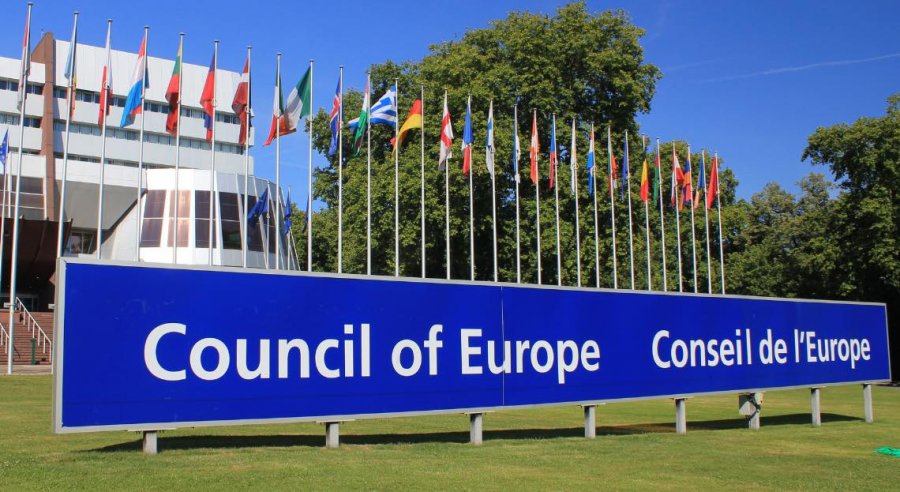
Albania and the European Union take the final steps toward the intergovernmental conference that will open the remaining chapters of accession talks.
Reliable sources told the public broadcaster that the projected date is September 16. Meanwhile, Albania’s Parliament reviewed the draft negotiating position for the fifth cluster of chapters: “Resources, Agriculture, and Cohesion.”
The position, adopted under special request, has stayed confidential in both discussions and its final form.
The public broadcaster obtained the preliminary document for Cluster V. It covers five chapters: Chapter 11 “Agriculture and Rural Development,” Chapter 12 “Food Safety, Veterinary and Phytosanitary Policy,” Chapter 13 “Fisheries and Aquaculture,” Chapter 22 “Regional Policy and Coordination of Structural Instruments,” and Chapter 33 “Financial and Budgetary Provisions.” The latest assessment, coordinated between the EU and Albania, shows only partial harmonization with EU law.
The joint negotiating position will come after the intergovernmental conference. Until then, talks will follow the “screening” document of November 2023.
According to this document, the main challenge for Chapter 11 is rural development. The focus includes financing farm expenditures, managing support schemes, monitoring spending, and strengthening the integrated control system. It also requires the farm sustainability data network, state aid, and trade mechanisms such as storage measures and extraordinary support under the common market rules after accession.
The alignment also extends to crops, milk and dairy products, beef, sheep and goats, pork, poultry, eggs, honey, fruits, and vegetables. Partial compliance exists for wine, aromatized wine, alcoholic beverages, olive oil, cocoa, chocolate, coffee, fruit juices, and jams. Overall, quality policy shows some similarities with the EU scheme.
Albania’s legislation aligns partly with EU rules on organic farming and animal products. In every chapter, anti-corruption measures remain embedded in both laws and institutions. The central aim is to protect public support for agriculture and rural development from fraud. The only recommendation is to ensure reliable monitoring and to act quickly whenever problems appear.
Të ngjashme
Latest News



Most read





 RTI
RTI