
 English
 Français
 Deutsch
 Italiano
 Turkish
 Greek
 Serbian
Krasniqi at the EPRA meeting: Common challenges and new strategies for the regulation of the audiovisual market




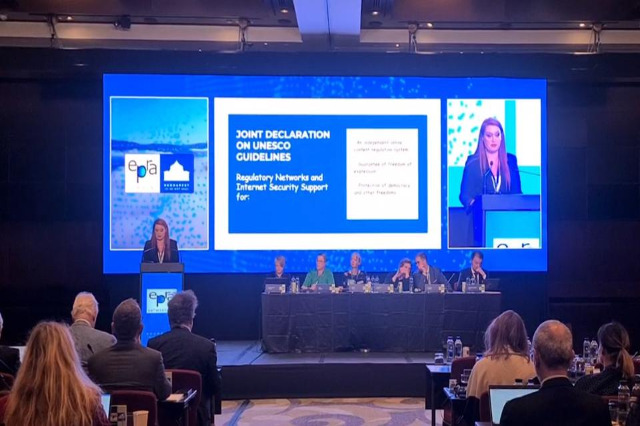
The 58th meeting of the European Platform of Regulatory Authorities (EPRA) held in Bucharest focused on the current challenges facing the media market.
The meeting was attended by 56 regulatory authorities representing 47 European countries. Additionally, representatives of the European Commission, the Council of Europe, the European Audiovisual Observatory, and ERGA, who serve as permanent observers of EPRA, were also present and shared their findings.
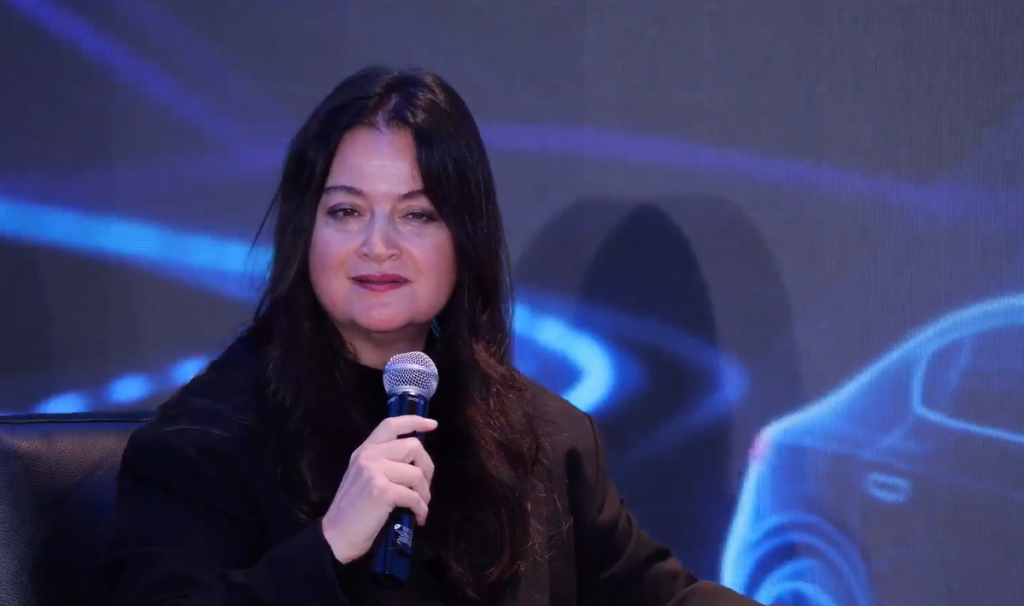
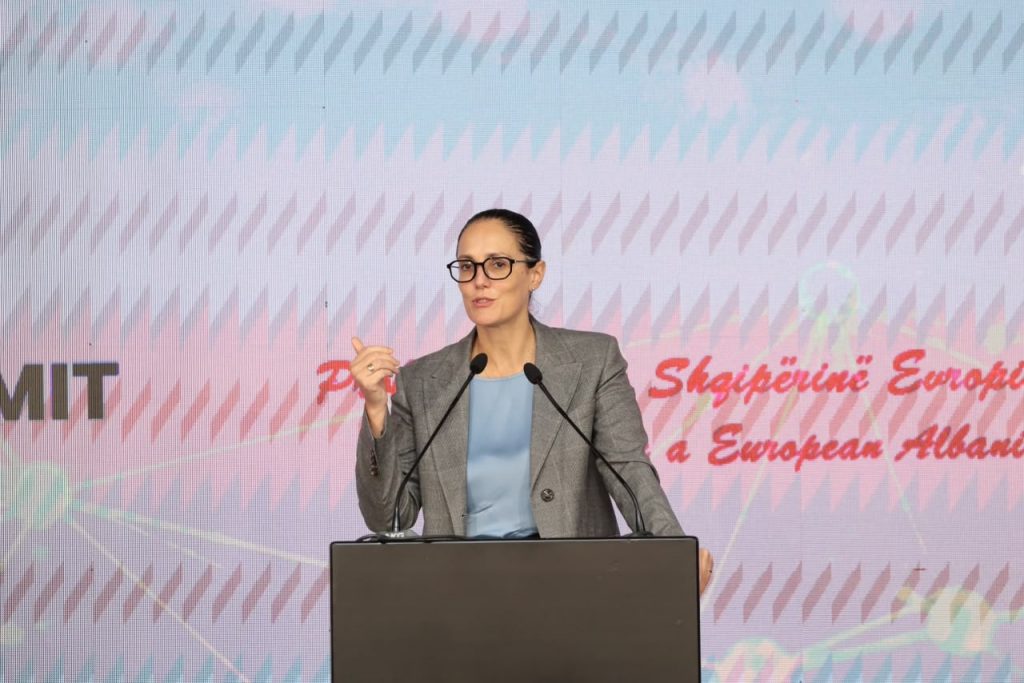
As the President of the Mediterranean Network of Regulatory Entities, Armela Krasniqi was invited to present her perspective on the current media market, considering both regional and European viewpoints, at this meeting of the largest and oldest European network of audiovisual media authorities. During her speech, Krasniqi also briefed the participants on the activities and conclusions reached during the 22nd Plenary Assembly of the Mediterranean Network, which was held in Tirana a few weeks ago.
In her speech, Krasniqi emphasized, “The new forms and methods of communication, influenced and reshaped by technological advancements, have introduced us to new conditions of adaptation and the necessity to formulate additional strategies in response to market demands.”
“It is our responsibility to adjust our work plans to the evolving market conditions. The anticipated approval of the European Media Freedom Act represents a valuable instrument for the European Union to safeguard media pluralism and independence. Furthermore, there’s a pressing need to enhance transparency in media ownership. Looking ahead, we should formulate a comprehensive work plan for Media Education of the Public, with the aim of fostering an audience with analytical and critical skills, enabling them to engage with media responsibly. Another ongoing challenge for regulatory bodies, including the Audio-Visual Media Authority, is the legal regulation of Video Sharing Platforms,” she underlined.
During her speech, Krasniqi also informed the audience about the approval of a joint statement by MNRA and five other similar networks on the occasion of the UNESCO World Conference “Internet for Trust – Towards Guidelines for the Regulation of Digital Platforms for Information as a Public Good.”
Developed through a multi-stakeholder consultative process, UNESCO released its proposed global regulatory framework on World Press Freedom Day. The statement, which supports UNESCO’s approach and objectives in the digital environment, reaffirms the backing of networks of regulators and Internet security for an independent system of online content regulation. This system aims to ensure both freedom of expression and the protection of democracy and other human rights.
“We are committed to developing coherent regulatory systems to better achieve these objectives, with the aim of reducing fragmentation in the digital space. Furthermore, we are prepared to play a role in establishing a common and multilateral platform for sharing best practices in the regulation of digital platforms,” added Krasniqi.
Established in 1995, the European Platform of Regulatory Authorities (EPRA) emerged in response to the growing need for cooperation among European regulatory bodies. With 25 years of experience and a robust network of professional contacts, EPRA stands as the oldest and largest network of broadcasting regulators in Europe. It provides an ideal environment for the exchange of information, cases, and best practices among broadcasting regulators in the region.
/m.ll/
Të ngjashme
Latest News


Most read










 RTI