
 English
 Français
 Deutsch
 Italiano
 Turkish
 Greek
 Serbian
Ksamil and Orikum, part of the project for integrated urban and tourism development




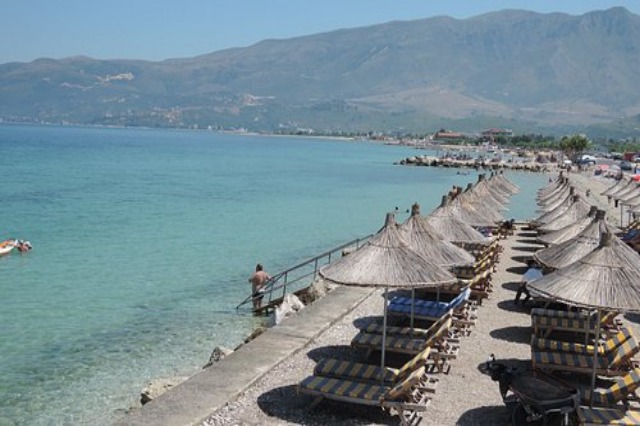
Ksamil and Orikum are two other tourist areas that will be financed through the project of the International Bank for Reconstruction and Development (EBRD), for the improvement of urban infrastructure, the promotion of tourism and the strengthening of institutional capacities to support tourism and the local economic development.
Albanian Council of Ministers passed today changes in the loan agreement with the EBRD for the financing of the project for Integrated Urban and Tourism Development”.
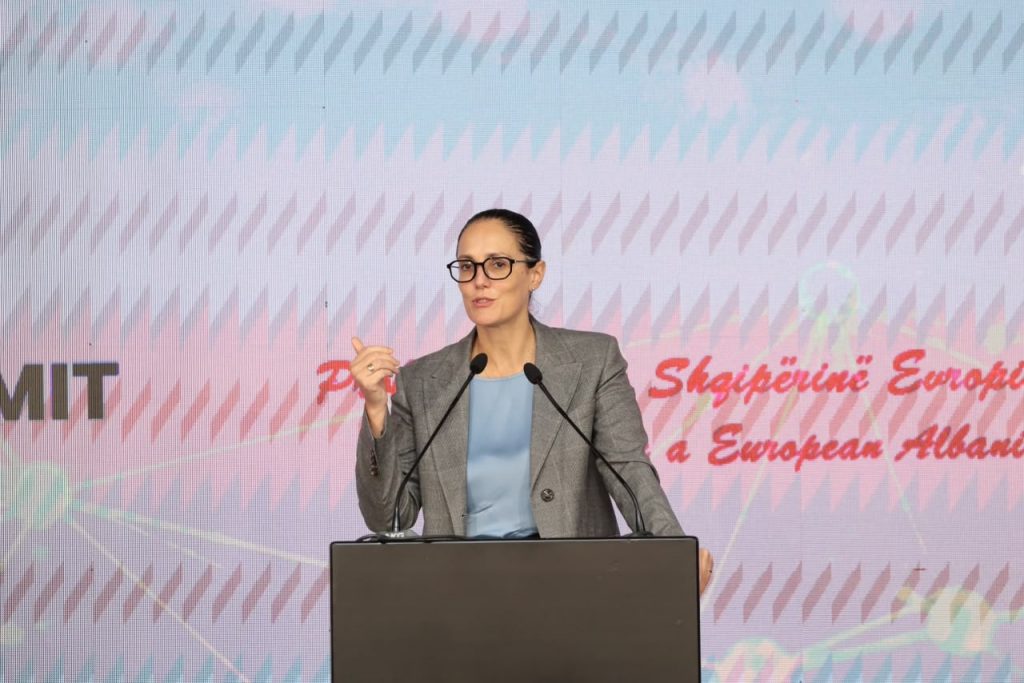
Albanian deputy minister of Finance and Economy, Vasilika Vjero, announced today for the media that the said interventions will improve and further develop the areas, which will further translate into economic development.
“Investments in these tourist areas constitute an impetus to the development of tourism, economy and the improvement of living conditions in the southern part of the country, through the financing of infrastructure projects. July data shows that the number of tourists was 21% higher than in 2019, which coincides with the year before the earthquake and pandemic that followed. In the two areas added to the Project, Orikum and Ksamil, the number of tourists reached 300,000 during the summer season,” said Vjero.
The agreement signed between the Albanian government and the EBRD in 2017 was on interventions in urban centers, urban renewal and infrastructure improvement, as well as interventions in tourist sites and product marketing development in Saranda, Gjirokastër, Berat and Permet. With the changes passed today by the Albanian government, Deputy Minister Vjero said that Orikum and Ksamil also are now part to these projects.
“Even though experiencing an international crisis at present and while many indicators appear to have worsened in the countries of the region, such as inflation, we continue to maintain good levels of these economic indicators, due to the support packages introduced by the Government for the groups in need, the population as a whole and business groups too,” said Vjero.
/a.p./
Të ngjashme
Latest News

Most read










 RTI