
 English
 Français
  Deutsch
 Italiano
 Turkish
 Greek
Greek Serbian
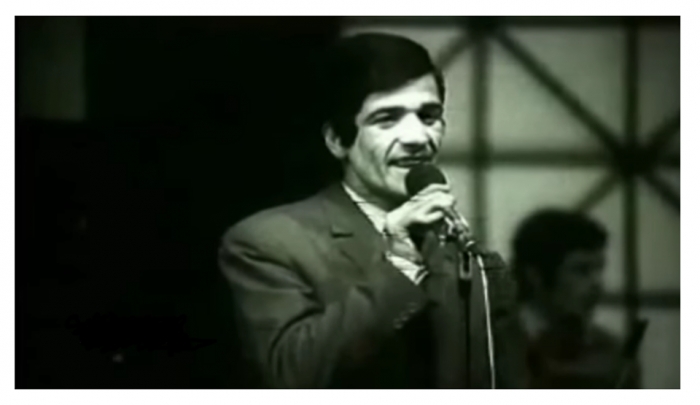
Kujtim Spahivogli: The Visionary Director Silenced by Politics, Honored After Death




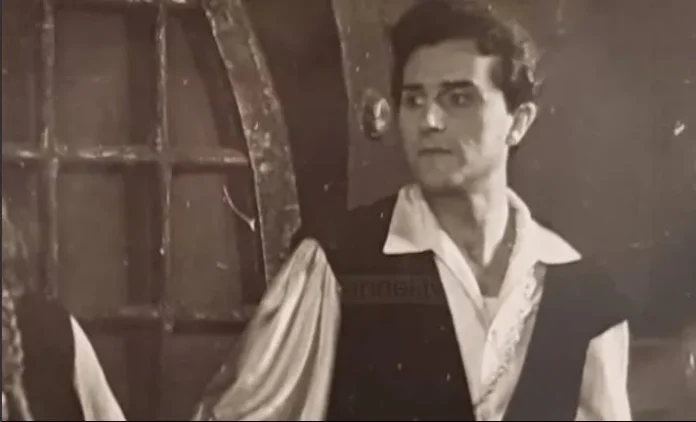
After the backlash following the denouncement of the 11th Song Festival, a group of writers, including playwright Kujtim Spahivogli, came under criticism for promoting “foreign performances.”
Despite his directorial talent, the state honored Spahivogli as “People’s Artist” only after his death on July 7, 1987.
He stood out as one of the most brilliant students to return from studies in the Soviet Union. In 1956, he became an actor at the National Theatre. His debut role was Dzerzhinsky in “The Kremlin Hours.” He later appeared in several major productions such as “Majlinda,” “On the Other Side,” “The Dragon of Dragobia,” and “Hamlet.”
Spahivogli soon emerged as a gifted director and teacher at the Higher Institute of Arts. He staged well-known plays like “The Strange One” and “The Carnivals of Korça.” He also founded and led the Youth Theatre, which operated within the Institute. One of his most acclaimed works was the play “A Classmate of Ours,” which achieved immediate success. He also wrote poetry and essays.
In 1973, authorities dismissed him from both the theatre and the Institute. After Albania broke diplomatic ties with the Soviet Union, the regime began to view Soviet-educated artists with suspicion. Officials accused Spahivogli of promoting moral decay through his plays instead of advancing women’s emancipation.
Today, the National Experimental Theatre bears his name in recognition of his enduring legacy.
/a.c/
Të ngjashme
Latest News

Most read









 RTI
RTI