
 English
 Français
  Deutsch
 Italiano
 Turkish
 Greek
Greek Serbian
Mid’hat Frashëri: The Diplomat, Writer and Nationalist Who Shaped Albania’s Modern History




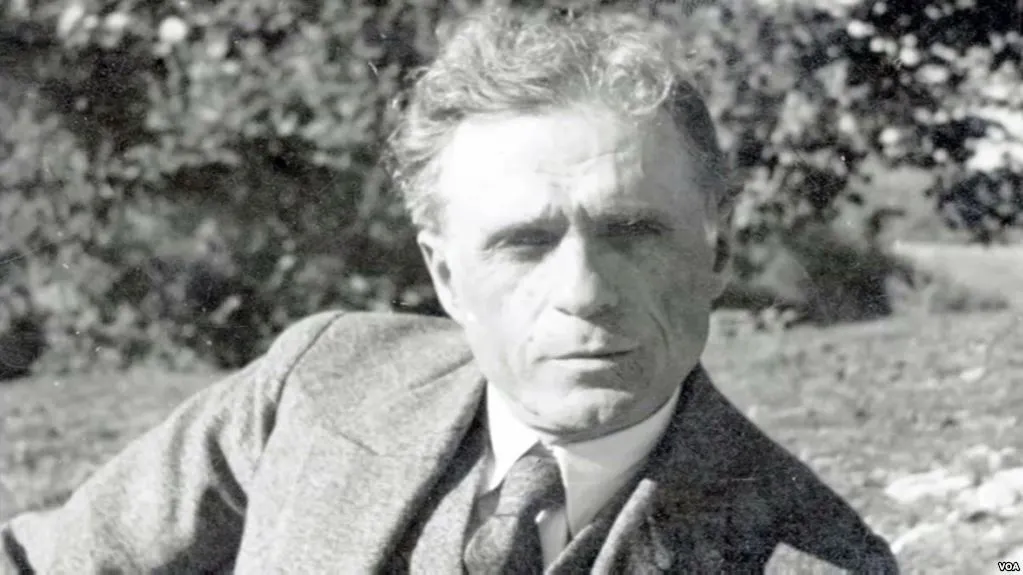
Mid’hat bej Frashëri, known by his pen name Lumo Skëndo, was one of the prominent figures of Albania’s political and cultural history. He worked as a diplomat, writer, politician, publicist and Albanologist, and played an active role in the Albanian National Renaissance and the country’s political life after independence.
Frashëri was born in Ioannina on March 25, 1880, to Abdyl bej Frashëri, a leading figure of the Albanian national movement. He was also the nephew of poet Naim Frashëri and intellectual Sami Frashëri. He grew up in Istanbul, where his family supported the Albanian national movement and helped shape his early education.
His father taught him history and geography, while Naim taught him style and poetry and Sami taught him grammar. Ottoman authorities arrested Frashëri in 1897 after they found a copy of Faik Konica’s Albania in his possession. His uncle Sami helped secure his release.
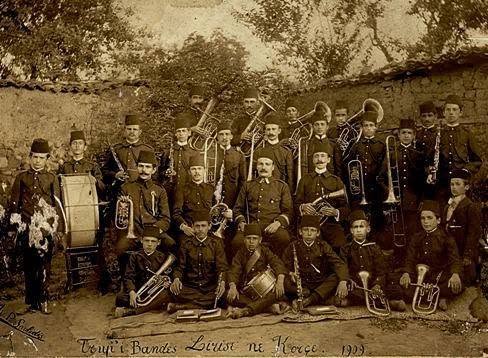
Frashëri later joined the Ottoman Ministry of the Interior and worked in the Vilayet of Salonica. In 1908, he launched the periodical Lirija, where he promoted national unity, education and Albanian literature. He also opposed foreign interference in Albanian affairs and supported political reforms rather than armed resistance.
In November 1908, Frashëri took part in the Congress of Manastir, which played a key role in the standardization of the Albanian alphabet. The delegates elected him chairman of the congress and deputy chairman of the commission responsible for drafting the alphabet. He supported the Istanbul alphabet during the discussions.
After Albania declared independence in 1912, Frashëri entered public service as a minister and diplomat. He later became one of the leading figures of Balli Kombëtar and chaired the “Free Albania” Committee.
Frashëri also made a lasting contribution to Albanian literature and scholarship. Under the name Lumo Skëndo, he published articles and literary works and worked as a translator and Albanologist.
His political career also remains closely linked to the turbulent history of Albania during World War II. Frashëri collaborated with the German military presence in Albania, a chapter that remains part of the historical record surrounding his political activity.
Frashëri died in New York on Oct. 3, 1949, at the age of 69. His legacy spans Albania’s national movement, literature, diplomacy and political history, making him one of the notable figures of the country’s modern era.
/a.c/
Të ngjashme
Latest News


Most read







 RTI
RTI