
 English
 Français
  Deutsch
 Italiano
 Turkish
 Greek
Greek Serbian
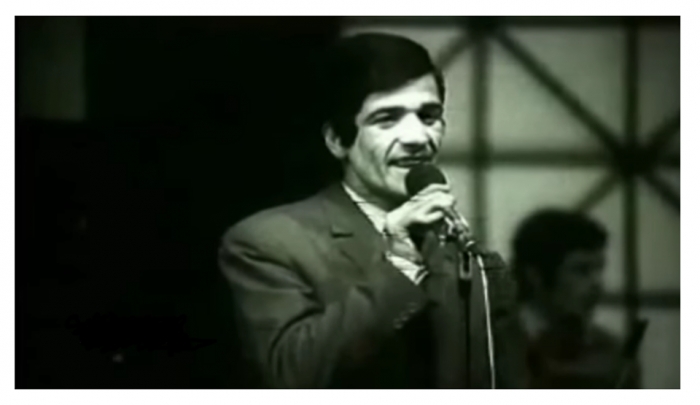
Mihal Popi, Albania’s Master of Comedy and People’s Artist: An Enduring Legacy in the National Theater




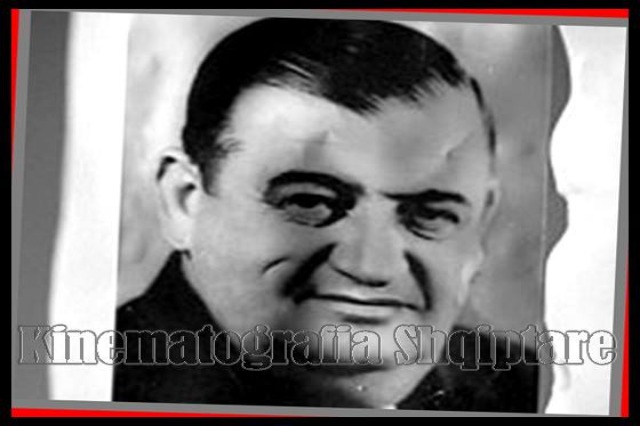
Mihal Popi, an exceptional Albanian actor was born in Shkodra on November 7, 1908. In 1921, his family moved to Tirana, where he connected with Xhevat Serez and Mihal Stefën, all three united by a shared love for theater and acting. Popi briefly attended the Monastery Seminary in Bitola to become a priest, with famed Albanian writer Millosh Gjergj Nikolla – Migjeni as his sponsor. However, after five months, he left the seminary and returned to Tirana, abandoning his religious studies. By 1928, his passion and natural talent for acting drew him to theater, joining Tirana’s amateur group.
In 1932, Popi founded the “Tirana” theater society, serving as its first president. This society performed various plays, including Molière’s comedies adapted by Serez, original Albanian works, parodies, skits, and pantomimes at the Gloria and Nacional cinemas. His captivating performances earned him the nickname “the capital’s chief comedian.”
During 1939–1944, he pursued photography, even opening his own studio in Tirana’s New Bazaar. His comedic talent flourished with performances in plays like ‘The deaf’, ‘Two gentlemen without pants’, ‘hell and man’, ‘wicked heart’, ‘Doctor Padashka’, gaining widespread admiration from audiences.
Popi was a founding member of the State Theater on May 24, 1945, later known as the National Theater. Between 1945 and 1947, he attended a two-year professional development course, known as the “Dramatic School.” In 1947, he played Hafiz in Besim Levonja’s farce ‘Ceni Hoxha’, and in 1948, he delivered an unforgettable portrayal of Qazim Mulleti in Levonja’s ‘The Prefect’ a role he performed over 250 times over 25 years.
In 1949, Popi portrayed Ahovi in Alexander Ostrovsky’s comedy ‘It’s Not All Shrovetide for the Cat‘, satirizing greed and ill-suited marriages. His second iconic role was Anton Antonovich in Nikolai Gogol’s ‘ Government Inspector’ in 1952, having also performed it in 1947. Popi embodied the hypocritical, corrupt official, casting a humorous yet scathing light on societal flaws.
In 1952, he excelled as Dom Gjoni in Kole Jakova’s satirical comedy of the same name. His performances on ‘Happy Hours’, a humorous radio show with Levonja and Gjon Karma, won the hearts of listeners. In 1959, he took on the role of Sir John Falstaff in Shakespeare’s ‘The Merry Wives of Windsor’, infusing it with original humor and charm.
Popi continued to showcase his talent in roles like Ripafrat in Goldoni’s ‘Innkeeper’s Wife’ (1962), and Zhurden in Molière’s ‘The Bourgeois Gentleman’ (1963), each time bringing wit and depth to his characters. Notably, he portrayed Felisian in ‘The Morality of Mrs. Dulska’ by Gabriela Zapolska (1962), using only silence, body language, and expressions to create humor.
His acting style was satirical, marked by realism, despite elements of burlesque, grotesque, and buffoonery. Popi, physically large yet surprisingly agile on stage, embraced each character’s struggle with sincerity, which he famously said led to “laughter coming naturally.” Over his career, he performed more than 80 roles, offering a “school” of Albanian acting to peers and successors. Recognized for his talent, Popi was among the first four Albanian actors awarded the title “Artist of the People.” He passed away on September 19, 1979, leaving a lasting legacy in Albanian theater.
/k.s/
Të ngjashme
Latest News
Most read






 RTI
RTI