
 English
 Français
 Deutsch
 Italiano
 Turkish
 Greek
 Serbian
Ministry of Health: Measures to Protect Against West Nile Virus Fever




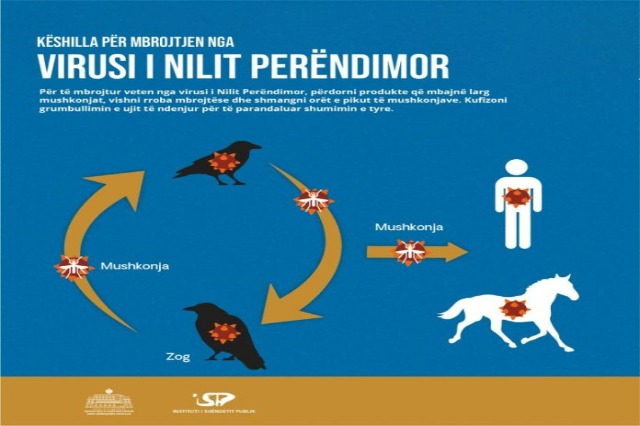
The Ministry of Health and Social Protection has announced the confirmation of 17 cases of West Nile Virus. They have provided information on symptoms, transmission, diagnosis, treatment, and prevention of this virus.
How is West Nile Virus transmitted?
Human infection is primarily a result of mosquito bites from infected mosquitoes, which acquire the virus when feeding on infected birds. The virus persists in nature through a mosquito-bird-mosquito transmission cycle, with birds being the primary reservoirs of the virus. Horses, like humans, can carry the virus but do not directly spread the infection. To date, no human-to-human transmission has been reported through casual contact or mosquitoes, nor has there been any reported transmission of West Nile Virus to healthcare workers when standard infection control measures are applied.
What are the symptoms of West Nile Virus infection?
Approximately 80% of people infected with West Nile Virus do not exhibit symptoms. Only about 20% of those infected develop the disease. When symptoms do appear, they include fever, headache, fatigue, body aches, nausea, vomiting, occasional skin rash, and swollen lymph nodes.
Severe symptoms (such as encephalitis, meningitis, or acute flaccid paralysis) include: headache, high fever, neck stiffness, numbness, confusion, coma, tremors, seizures, muscle weakness, and paralysis. These severe symptoms occur in only about 1% of infected individuals.
Severe forms of the disease can occur in people of any age, but those over 60 years old and individuals with weakened immune systems are at higher risk. The incubation period is usually between 3 and 14 days.
How is the diagnosis made?
West Nile Virus can be diagnosed through various tests analyzing cerebrospinal fluid, urine, blood, or serum samples taken from infected patients during the period when they exhibit clinical signs.
Treatment
There is no specific treatment for patients with West Nile Virus disease affecting the nervous system. Treatment is supportive and symptomatic only.
Prevention
Reducing Risk of Infection in Humans: In the absence of a vaccine, the only way to reduce human infection is to increase awareness of risk factors and educate people on measures to reduce exposure to the virus.
Mosquito Control: Effective prevention of West Nile Virus infection in humans relies on integrated mosquito control programs in areas where the virus is present.
Preventing Infection in Healthcare Settings: Healthcare workers caring for patients suspected or confirmed to have West Nile Virus infection, or handling their samples, should follow standard infection control measures.
Preventing Virus Transmission in Horses and Birds:Since outbreaks of West Nile Virus in animals precede human cases, establishing a surveillance system for animal health to detect new cases in birds and horses is crucial for early warning to public health and veterinary authorities.
/k.s/
Të ngjashme



Latest News






Most read










 RTI