
 English
 Français
 Deutsch
 Italiano
 Turkish
 Greek
 Serbian
“Olbania” Exhibition Offers a Visual Journey Between Albania and Italy at the Marubi Museum




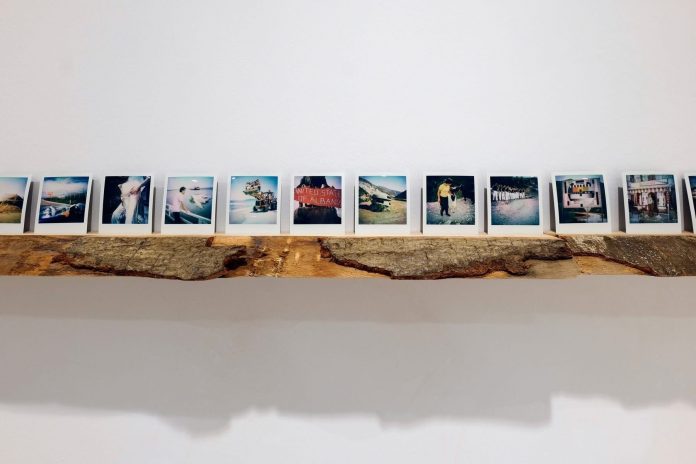
At the National Museum of Photography “Marubi” in Shkodra, the exhibition “Olbania” remains open to the public. The project, created by the Italian artistic collective Alterazioni Video, offers a critical look at how online images and narratives shape perceptions of identity and reality.
Curator Sara Dolfi Agostini brings together visual art and digital research. She builds the exhibition on an archive of hundreds of images collected during Albania’s media transition into the global internet era.
Meanwhile, Minister of Tourism, Culture and Sports Blendi Gonxhja has invited citizens and visitors to attend the exhibition this weekend. He described it as a reflective experience on collective memory and the cultural ties between Albania and Italy.
In a social media post, Gonxhja shared moments from the exhibition. The images highlight diverse human themes and reflect both individual and collective social experiences.
According to the minister, “Olbania” creates a visual journey between Albania and Italy. It focuses on collective memory, migration, and cultural influences that have linked the two countries for decades. Through these visual narratives, the exhibition opens dialogue on identity, shared history, and intercultural relations.
Overall, Alterazioni Video presents a contemporary approach to visual art. The collective uses imagery as a tool to reflect on and interpret social and cultural realities in the region.
Explaining the project’s origins, curator Sara Dolfi Agostini said Alterazioni Video conceived “Olbania” in 2009, when they took part in the 3rd Tirana Biennale. At the time, the artists held preconceived ideas about Albania. Historically, the two countries share deep ties—from Italy’s occupation in 1939 to the early 1990s, following the fall of communism, when civil unrest and mass migration peaked in August 1991 with the arrival of the ship Vlora in Bari carrying more than 20,000 Albanian migrants.
Although many later returned home, others stayed. Migration continued in a steadier, less dramatic form, reinforcing a close and intertwined relationship. For decades, Albanians watched Italian television at home due to limited local broadcasting. More recently, Italians have begun moving to Albania, drawn by cultural ties, business opportunities, and lower living costs, reversing earlier migration flows.
Finally, the National Museum of Photography “Marubi” continues to serve as a key cultural institution. It promotes contemporary art and cultural dialogue by offering exhibitions of strong artistic and historical value.
/a.c/
Të ngjashme

Latest News

Albania and Azerbaijan Seek Stronger Tourism Ties and New Partnerships

Most read










 RTI