
 English
 Français
 Deutsch
 Italiano
 Turkish
 Greek
 Serbian
Protected Area ‘Sotira Fir’, a Natural Monument




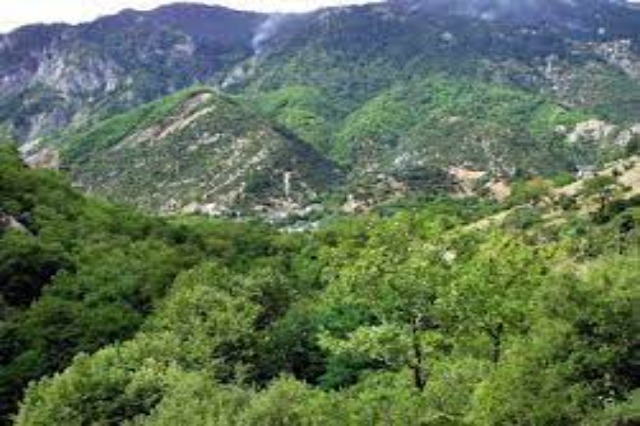
The Protected Area ‘Sotira Fir’, a Natural Monument of category III, in the south of Albania, is stunning in every season, especially in autumn. Located in the Administrative Unit ‘Upper Dropulli’, this area covers an area of 1740 ha and is considered a gem of Albanian nature, both from the ecotourism point of view and from the scientific point of view.
To go to ‘Sotira Fir’, cross the national road Gjirokastër – Llongo – Sotira.
‘The Fir of Sotira’ is an open botanical book, where you can see all the floors of vegetation with vertical extension, from the Mediterranean shrubs with marena, the various oaks, the chestnut and the Macedonian fir as the main species and up to the alpine pastures of Stugara and Murgana. The terrain has a variety of geomorphological forms where in the upper part there are slopes with very steep slopes and steep cliffs, which constitute a wonderful tourist landscape. ‘Fir of Sotira’ offers stunning views in every season, spring greenery, summer freshness, contrast of autumn colors and snow in winter that covers the peaks of Murgana and Stugara.
The village of Sotire is located as soon as it leaves Gjirokastra and follows the national road to the customs of Kakavija, at the end of the state border, lies the village of Sotirë part of the Municipality of Dropull with many beauties. It is an important ecological village.
The village of Sotira is located as soon as it leaves Gjirokastra and follows the national road to the customs of Kakavija, at the end of the state border, lies the village of Sotirë part of the Municipality of Dropull with many beauties. It is an important ecological village and with a rich but unexploited terrain, which offers incentives for a special way of vacation and entertainment as well as many natural activities in all seasons of the year. The visitor can take all kinds of walks, such as walking, cycling, horseback riding and in order to enjoy the curiosities and natural monuments such as the “Fir of Sotira” which are numerous and amazing and considered as pearls of Albanian nature. Hydrographic, eco-tourist, cultural wealth increase the values of the village as they also have scientific values. Around Sotira there are six picturesque villages such as Krioneri, Selio, Llongo, Koshovica and Lovina, which add their tourist value with organic products.
Tourists can select the forms of relief according to their wishes and explore the curiosities of nature which are numerous, such as the search for medicinal plants and rare flowers, the observation of birds and wild animals, as well as various outdoor exercises. The village of Sotira offers conditions of activity for people with disabilities. It is also accessible for those interested in photography, culture and history, because around it are three cultural monuments of the first category, such as the ruins of the castle of Selos, the Temple of the Church of St. Thanas in Selo and the Church of the Monastery of Koshovica.
It is a village created from the end of the Byzantine period with a special architecture. The cobbled streets and surrounding walls of the courtyards give the appearance of a maze. It is a village of intellectuals and educated people. The Doric-style school building of the 1930s and the magnificent church give the village square a monumental look. There are chestnut forest, fir forest, summer pastures, water fountains and gardening with the famous Sotira potatoes. The village does not have many local products but there are opportunities such as the production of the famous potato of Sotira, the processing of chestnuts, as well as the production of vegetables and drinks in the villages around Sotira.
Sotira for many local and foreign visitors, arouses a special interest. It is a tourist destination. The village of Sotira is located in the south of Albania 174 km away from the capital and the airport of Tirana.
Typical activities that take place
On August 15, the religious feast of “St. Mary” takes place.
“European Heritage Days” take place, such as the Artisan Fair for the Gjirokastra Region.
“Albanian Polyphony in UNESCO” takes place, for the Region of Gjirokastra
/Klara Ruci/
Të ngjashme






Most read










 RTI