
 English
 Français
 Deutsch
 Italiano
 Turkish
 Greek
 Serbian
Public Procurement Commission become an observer within the EU Public Procurement Review Bodies Network




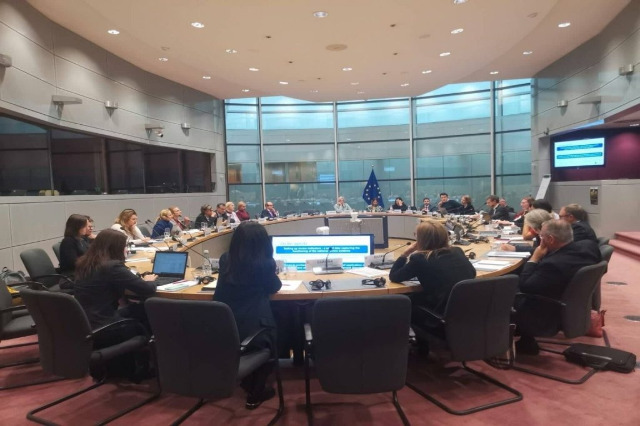
The Public Procurement Commission of the Republic of Albania (KPP) has attained the status of an observer member country within the Public Procurement Review Bodies of the European Union member countries for the first time.
At the 13th meeting of the Public Procurement Review Bodies of the European Union member countries, marking the fifth year of its establishment, the Network of Public Procurement Review Bodies of the European Union member countries, along with the European Commission, assessed the reform initiatives undertaken by the KPP aimed at enhancing the complaints review system in Albania and augmenting transparency and accountability. Subsequently, based on this evaluation, the decision was made to extend an invitation to the KPP to join the Network as an observer member.
This invitation coincides with the European Commission’s 2023 Report on Albania, which notably acknowledges the advancements made by the Public Procurement Commission across various domains. The commendable progress includes aligning the legal framework with European standards, enhancing systems and transparency, undertaking reforms for the new public procurement law, conducting staff training initiatives, and addressing vacancies within the commission.
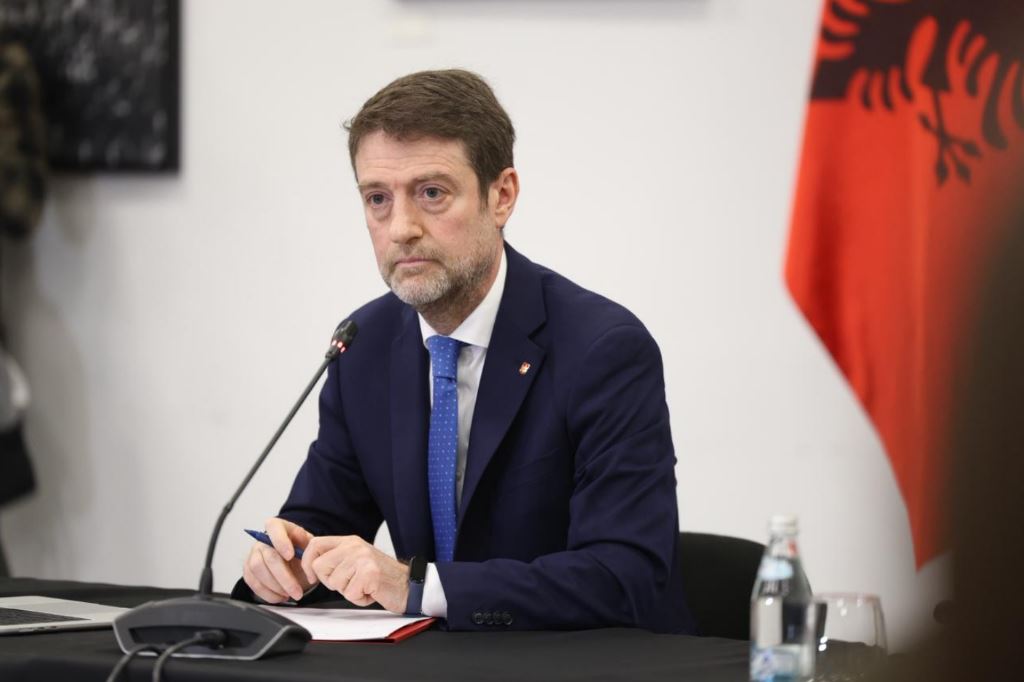
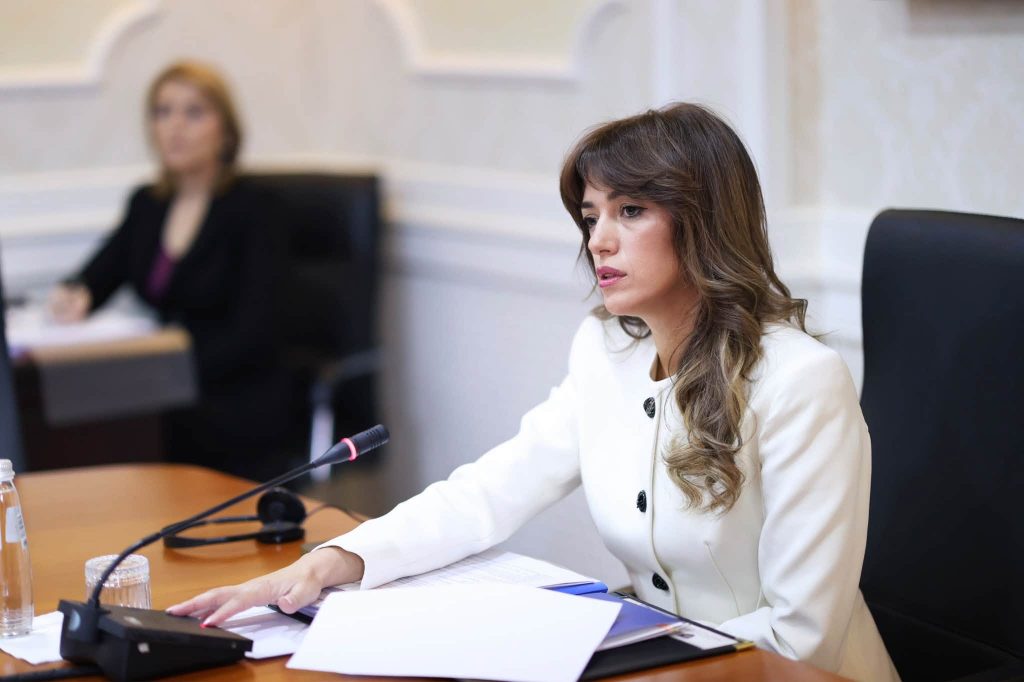
Chairman Jonaid Myzyri expressed gratitude to the member countries and the European Commission for their decision, acknowledging it as an evaluation of the considerable effort made over the years to elevate the KPP into an institution aligned with European standards.
Myzyri highlighted Albania’s substantial advancements in line with global public procurement practices, underscoring the extensive efforts directed towards establishing an open, competitive, and equitable procurement environment that fosters innovation and economic growth. He emphasized that these endeavors align with Albania’s dedication to the European Union integration process and are firmly rooted in the principles of good governance.
He also informed the members of the Network of Public Procurement Review Bodies of the European Union member countries about the establishment of the Network of Procurement Review Bodies in Southeast Europe. This newly formed network includes countries such as Albania, Bosnia-Herzegovina, Croatia, Kosovo, Montenegro, North Macedonia, Romania, Slovenia, and Turkey. Notably, Albania held the presidency of the Network in 2022.

During the 13th Network meeting, the agenda encompassed various topics. This included presentations on the public procurement review systems of Spain and Greece, updates regarding the jurisprudence of the Court of Justice concerning public procurement and review bodies, discussions on the interpretation of EU sectoral legislation and its influence on national public procurement procedures. Furthermore, there was an analysis of the Network’s accomplishments during its fifth year and discussions on future plans.
Participation in the Network of Public Procurement Review Bodies of the European Union member countries presents a valuable opportunity for the KPP to exchange information and expertise with participating nations. It serves as a platform to share experiences and foster collaborative partnerships among affiliated institutions.
In 2017, the European Commission initiated the establishment of the Network of Public Procurement Review Bodies of the European Union member countries. This partnership initiative garnered substantial backing from member states and stakeholders. As an integral aspect of the Single Market Strategy, the European Commission actively advocates for collaboration among these Public Procurement Review Bodies, encouraging information exchange and the adoption of best practices within the field.
The primary objective of the Network is to foster collaboration that aids the effective operations of national review bodies. Within this framework, discussions within the Network encompass various areas, including the exchange of information concerning national systems, sharing of best practices, identification of needs and challenges, formulation of joint solutions, and enhancement of governance through optimized data utilization and digitization strategies.
/m.ll/
Të ngjashme
Latest News


Kolkondas: Where History, Art and Faith Come Together

The UK iPaper highlights Tirana’s growing cocktail scene

Cosmopolitan UK features Albania in five-day summer trip for women
Most read










 RTI