
 English
 Français
  Deutsch
 Italiano
 Turkish
 Greek
Greek Serbian
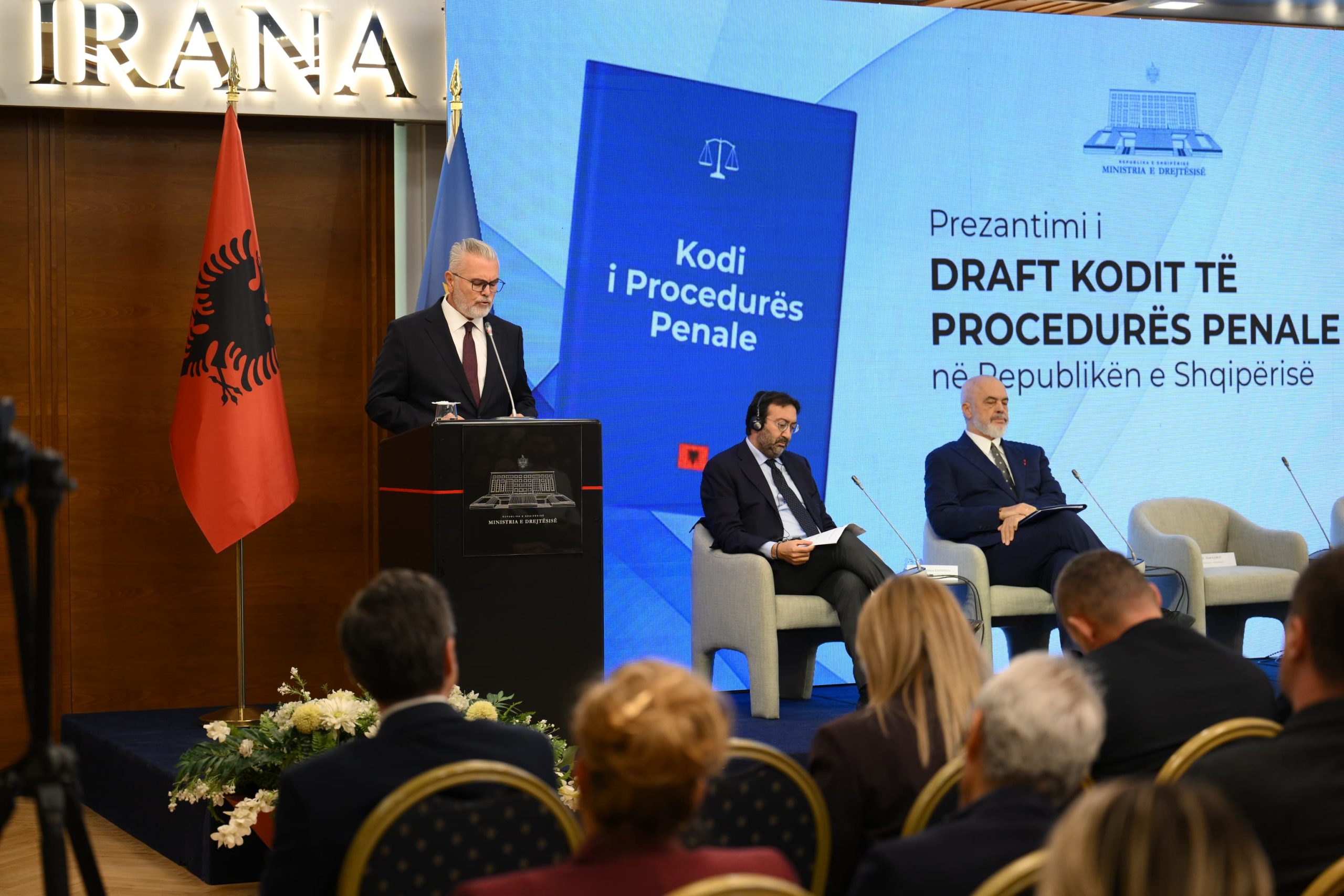
Rama: No prison detention for offences carrying sentences of less than five years




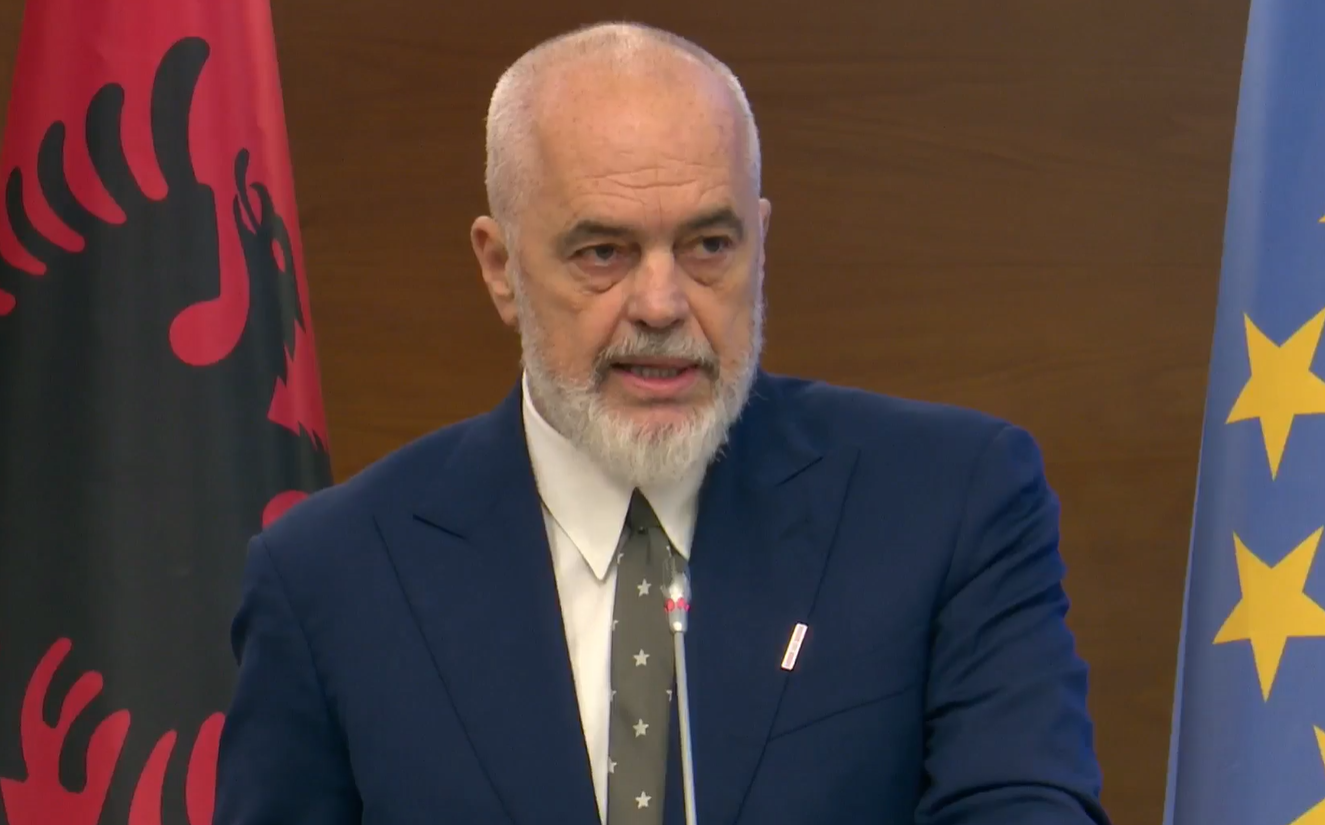
Prime Minister Edi Rama today presented a draft package of amendments to Albania’s Criminal Procedure Code.
Rama focused on the rules for imposing security measures. He also outlined plans to strengthen alternatives to pre-trial detention. During the presentation, Rama referred to an episode involving Professor Rafael Pariso. According to Rama, she had highlighted a conceptual problem in the way the Albanian Code ranks security measures.
“A code that starts with detention in prison and then moves down to lighter measures trains the system to follow that order. It also encourages it to see prison as the first option,” Rama said.
The new package aims to change that approach. Under the draft, courts would first consider release. They would then examine less restrictive measures, including house arrest. Judges would turn to prison detention only when other measures could not provide sufficient safeguards.
According to Rama, the draft sets clear limits for restrictive measures. For offences carrying a maximum sentence of up to three years, courts would generally not impose restrictive measures. For offences carrying a maximum sentence of less than five years, judges would no longer order prison detention.
“The seriousness of the offence alone will no longer be enough,” Rama said. “Nor can a person’s silence or refusal to admit the charge serve as evidence of dangerousness. The risk must be concrete, current and supported by facts related to the individual.”
Rama also stressed the need for independent judicial assessments. If a judge simply repeats the prosecutor’s arguments and fails to explain why lighter measures cannot work, the decision would become invalid. The judge could also face disciplinary proceedings. Moreover, whenever a judge orders detention, the court would also examine a financial guarantee. The court would calculate the guarantee according to the person’s actual financial circumstances. However, the draft would provide exceptions for risks involving evidence, serious violent crimes, terrorism, offences against the constitutional order and cases under the jurisdiction of the Special Court.
Rama also said prosecutors would have to report to the court every month. They would need to confirm whether the reasons for the security measure still exist and explain why.
“Freedom cannot be restricted once and then forgotten as if it no longer exists,” Rama said.
Finally, Rama said the package would strengthen safeguards for vulnerable people. The provisions would cover mothers with children under six, as well as fathers or guardians when the mother has died or cannot provide care. They would also cover people over 70, seriously ill individuals and people enrolled in therapeutic programmes.
Të ngjashme


Latest News


Most read









 RTI
RTI