
 English
 Français
  Deutsch
 Italiano
 Turkish
 Greek
Greek Serbian
Rama: ” Open Balkans will not stop, because the future cannot stop”




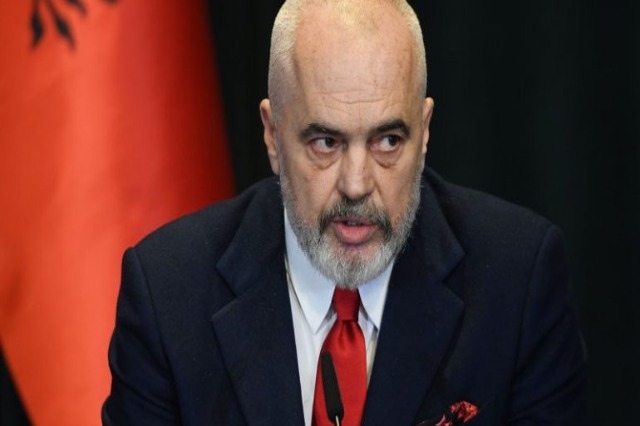
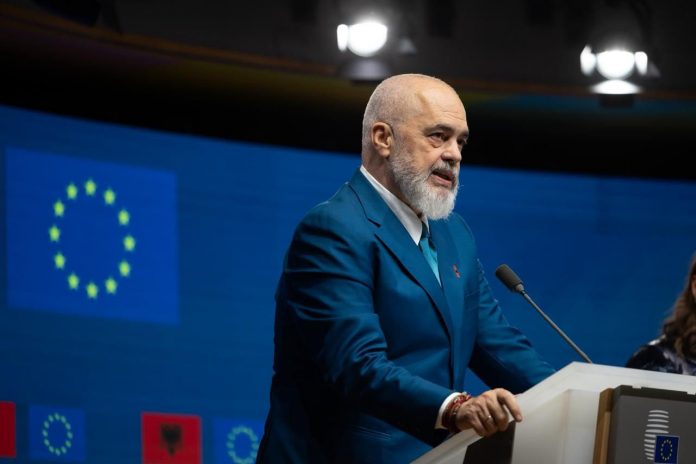
Prime Minister Edi Rama reacted regarding the “Open Balkans” initiative, emphasizing that this initiative will not be stopped, because “the future cannot be stopped”.
Through a post on social media, the head of government insisted that the regional free movement initiative promotes peace, co-operation and integration.
“Everyone who is against the Open Balkans has the right not to see, not to hear and not to understand that this initiative promotes peace, cooperation, integration and accelerates the Berlin Process! “The Open Balkans will not stop because the future cannot stop,” Rama stressed.
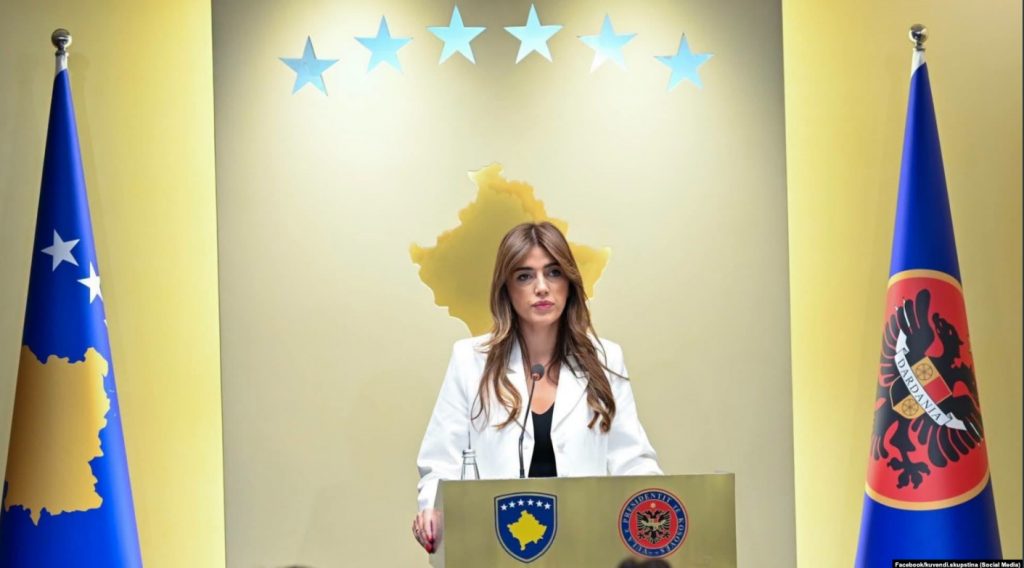
Montenegrin President Milo Djukanovic paid his first visit to Kosovo. Along with President Vjosa Osmani, Djukanovic reaffirmed that Montenegro will not become part of the Open Balkans initiative, which Kosovo also opposes.
“We are very aware of the importance of regional cooperation, especially regional economic cooperation. However, this principle does not mean that we should close our eyes and not know how to read things properly.
I think we have a strong good initiative of the Berlin Process and some others on this topic, and as you know many countries in the region are participating in this initiative and we think that this initiative is fully complementary to our path towards membership in EU “, said Milo Djukanovic.
With the arrival of Albanian-Montenegrin Dritan Abazovic at the helm of government, it seems doubtful that he would have a softer approach to the regional economic initiative established in Novi Sad, Serbia.
So far, only North Macedonia and our country have supported it, while the three countries have not been able to convince Pristina, Podgorica and Sarajevo.
For her part, Osmani praised President Djukanovic for his contribution to Kosovo’s independence, and now that Pristina has matured politically and for Montenegro’s support for Kosovo’s membership in the Council of Europe, he noted Serbia’s hypocrisy, since on the one hand it invites Pristina to become part of the Open Balkan and on the other hand it becomes an obstacle for the country’s membership in international organizations.
The two leaders also focused on Russian aggression in Ukraine and the extensions and implications it could have in the Western Balkans, which Osmani called Moscow’s satellites, referring to Belgrade.
/Klara Ruci/





 RTI
RTI