
 English
 Français
 Deutsch
 Italiano
 Turkish
 Greek
 Serbian
Rare photos from Albania taken by Hugo Bernacikut in 1929




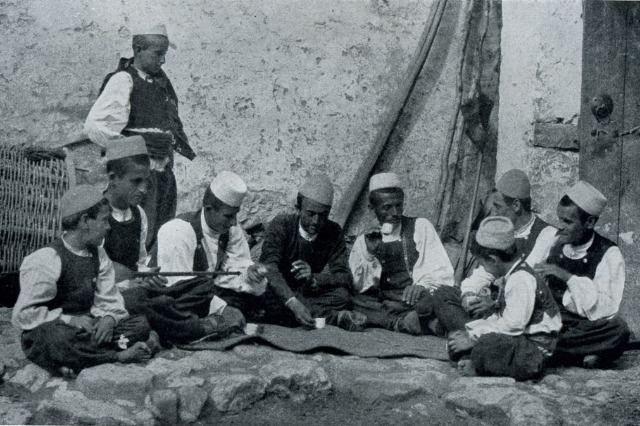


These photographs bring rare views from Shkodra, Kosovo, Shijon-Elbasan, Tirana, Kruja, the house of the Toptani family, Kurbin, men drinking Turkish coffee, Mount Taraboshi, Divjaka park, etc.
They were taken in 1929, by Hugo Bernacikut, during his several-month stay in Albania. Then, the old photographs were collected by the researcher, albanologist and historian, Robert Elsie.
“The Austrian ethnologist, photographer and guide, Hugo Adolf Bernacik (1897-1953), was born in Vienna, son of the jurist Edmund Bernacik (1854-1919). He had his first contacts with Albanians before the First World War in Istanbul, where he met the sons of the Sultan’s guards.
Hugo Bernaciku went to Albania for the first time, in 1914, during the short reign of Prince Wied (Wilhelm zu Wied, 1876-1945). In 1915, when he was again in Albania, he volunteered in the Austro-Hungarian army, with an artillery unit.
Following a stay in the Danube River Delta in Romania, where he went bird-hunting, Hugo Bernacic came back to Albania, where he stayed from April 24 to July 6, 1929.
Bernacic got the basic data on the country’s life conditions from the German geologist Ernst Nowack (Ernst Nowack, 1891-1946), who advised him to contact the German envoy in Tirana, Franc von Scheiger (Franc von Scheiger, 1891- 1960). Bernacik was also in contact with the Albanian landowner Ago Agaj (1897-1994), with whom he went hunting in Myzeqe.
Equipped with an umbrella, a kayak and a camera, Bernacik spent two whole months in Albania. The result of his journey were two books: “Riesenpelikane und ihre Kinder” (The Great Pelicans and Their Children), Vienna 1930, a small and now forgotten album about the pelicans of the Maliqi Marsh; and “Europas forgetsenes Land” (The Forgotten Country of Europe), Vienna 1930, which appeared in a fourth extended edition under the title Albanien: “das Land der Schkipetaren” (Land of the Albanians), Vienna 1939. The photographs in this collection were taken from this last volume” – writes Robert Elsie.
/Klara Ruci/
Të ngjashme


Latest News
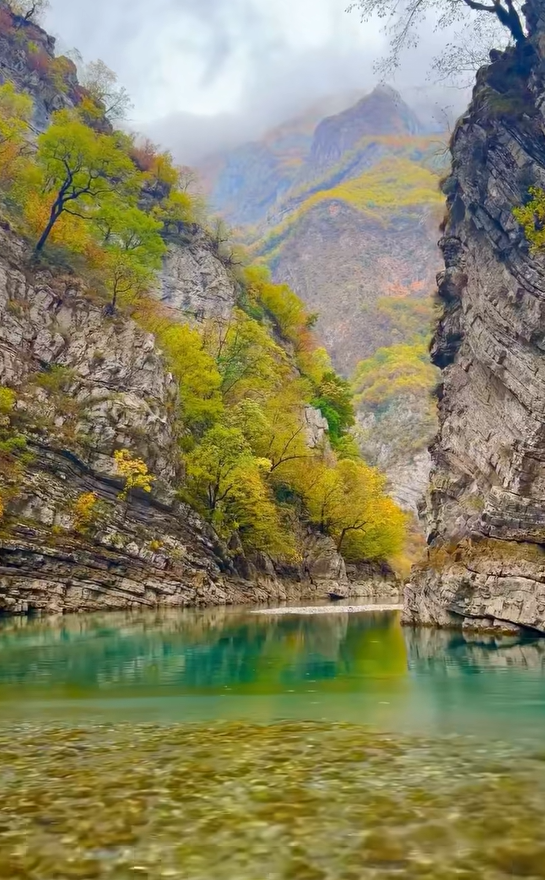
Shala River in Autumn: Crystal-Clear Waters and Mountains Create a Breathtaking Landscape

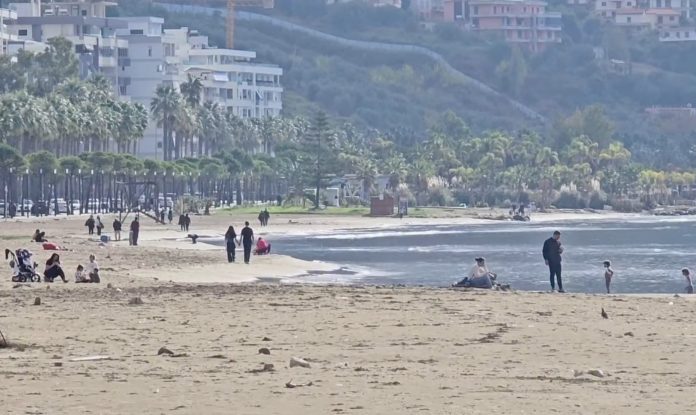
Vlora Defies November Chill as Tourists Enjoy Beach and Sea in Autumn






Most read










 RTI