
 English
 Français
  Deutsch
 Italiano
 Turkish
 Greek
Greek Serbian
Remembering Hafiz Ali Korça, Influential Theologian and National Figure




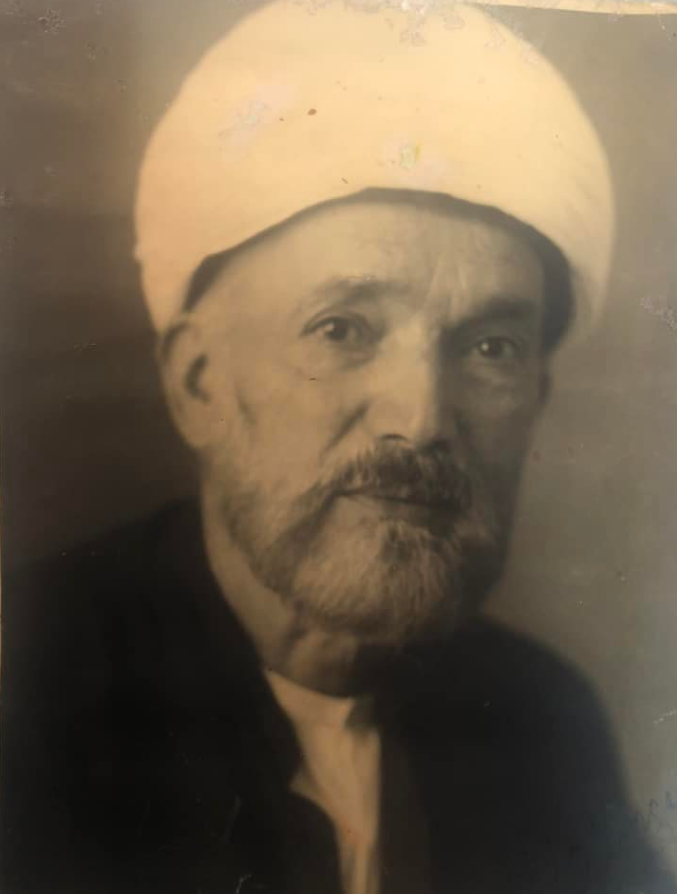
On 7 January 1957, Hafiz Ali Korça passed away. He was a respected theologian, patriot, educator, and a participant in the Congress of Manastir.
He was born in 1866 in the city of Korça. His father was Iljas Efendi. First, he studied in his hometown. Later, he completed higher studies in Istanbul. After returning to Korça, he began teaching at the Albanian school. He taught Ottoman language, mathematics, and Turkish orthography.
Moreover, he mastered Arabic, Persian, Ottoman Turkish, and French. In 1890, authorities appointed him as a teacher at the rushdiye school in Korça. Later, he moved to the idadiye school, where he taught geography and mathematics. In 1903, he continued his career in Anatolia. There, he taught geography and history at the idadiye school in Sparta.
Meanwhile, Hafiz Ali Korça played an active role in national life. He took part in the Congress of Manastir in 1908 and the Congress of Dibra in 1909. In 1914, he delivered a speech in French during the arrival of Prince Wied. In 1916, he became Director of Education for Tirana, Durrës, and Central Albania. From 1918 to 1924, he served as a member of the High Council of Sharia.
However, after the communists came to power, his life changed dramatically. Due to his beliefs and public stance, the regime imprisoned and interned him. In his final years, he lived in isolation in Kavaja. He died there on 7 January 1957.
Nevertheless, his legacy remains strong. His works include translations of the Quran, the Mevlud, “303 Sayings of Imam Ali,” “Joseph and Zuleikha,” “Rubaiyat,” “Bolshevism or the Destruction of Humanity,” and “Sacred History and the Four Caliphs,” among others.
/a.c/
Të ngjashme
Latest News
Most read




 RTI
RTI