
 English
 Français
  Deutsch
 Italiano
 Turkish
 Greek
Greek Serbian
Rrok Zojzi, the Father of Albanian Ethnography




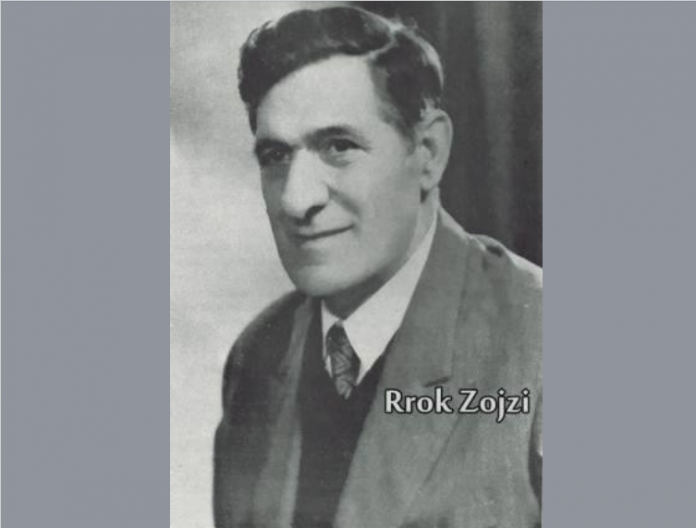
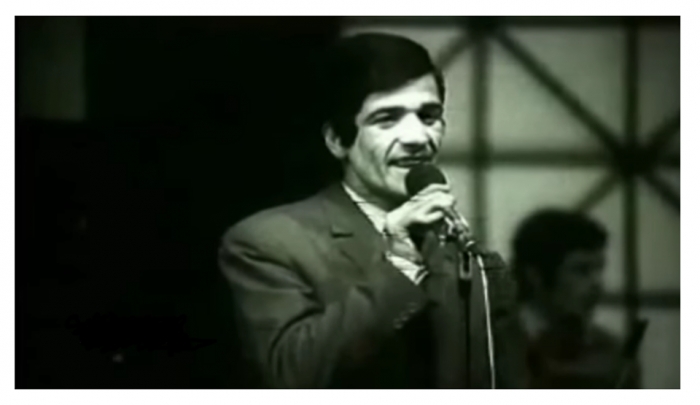
Today marks the birthday of Rrok Zojzi, known as the “father of Albanian ethnography.”
Rrok Zojzi was born in Shkodër on 16 November 1910 into an artisan family. He completed his primary and secondary education in his hometown, where he later worked as a teacher.
During the 1930s and 1940s, he became well-known for his writings in several leading magazines of the time, including Hylli i Dritës, Vatra Shqiptare, and Drini.
In 1942, he prepared 34 geographic-ethnographic lectures for the Ministry of Culture and Tourism. Radio Tirana, Radio Korça, and Radio Kosovo broadcast these lectures widely.
In 1947, authorities appointed him head of the Ethnography Sector. He led the sector until 1976, when he retired. Historians of Albanian ethnography consistently describe Zojzi as the field’s founding figure.
His passion for mountaineering helped him explore, document, and archive traditional Albanian culture. His collections now form the richest ethnographic archive at the Albanological Institute in Tirana (formerly the Institute of Folk Culture). Under his leadership, most ethnographic museums across Albania were established.
Zojzi’s research covered almost the entire spectrum of traditional culture. Furthermore, he contributed steadily to teaching and to publishing ethnographic studies in the press of the time. Many ethnographers of the communist period trained under his guidance.
He was also one of the earliest collectors of customary law in Labëria.
However, despite his immense work, his career faced serious limitations. His sister and her husband were executed in 1946 for involvement in the Postriba Uprising. This event marked Zojzi as a person “with a blemished biography” in the eyes of the regime. Consequently, he was prevented from establishing direct contact with foreign scholars and from publishing many of the studies and research projects to which he had devoted his life.
Rrok Zojzi died in Tirana in 1995.
/a.c/
Të ngjashme
Latest News

Most read







 RTI
RTI