
 English
 Français
  Deutsch
 Italiano
 Turkish
 Greek
Greek Serbian
Security challenges bring together ministers of EU and Western Balkans in a meeting




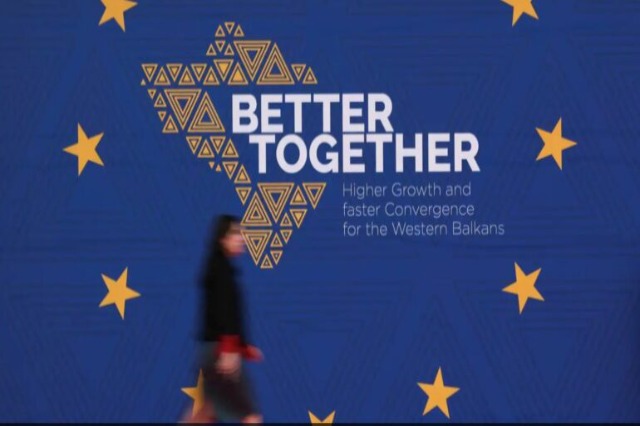
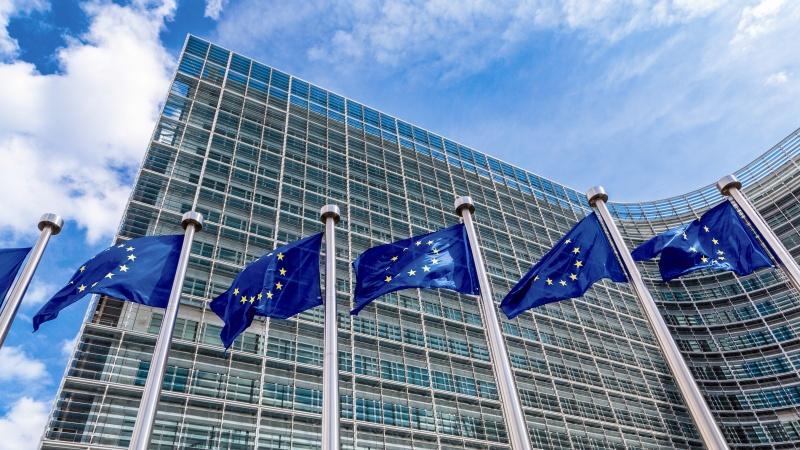
The European Union (EU) is increasingly enhancing cooperation with the Western Balkan countries in the fields of security, defense, and foreign policy. This strategic priority underscores the EU’s recognition that the security challenges faced by the Western Balkans are akin to those confronting the EU itself.
On June 24th, EU Foreign Ministers and their counterparts from the Western Balkans will convene in Luxembourg to discuss these crucial matters. The EU has prepared a guiding document outlining collaboration with the region in these domains, slated for discussion at the ministerial meeting. According to Radio Free Europe, “The challenges related to foreign and security policy are increasingly complex in the current geostrategic circumstances, posing risks to both European and global order.”
The document emphasizes the importance of unity, shared values, and common goals within the European family, especially with aspiring EU members. Aligning with the EU reflects a strategic orientation based on shared values and principles, notably upholding the rule of law and international norms.
It highlights how Western Balkan countries, alongside their integration processes into the EU, have increased participation in European policy-making on foreign and security matters. This involvement occurs through regular EU-Western Balkans summits, joint ministerial meetings, high-level EU events, cooperation in circumventing sanctions against third countries, engagement in international organizations like the UN and OSCE, as well as military cooperation and law enforcement capacity-building.
The EU’s deeper engagement in security and defense in the Western Balkans is evidenced by missions like Operation Althea in Bosnia and Herzegovina, comprising approximately 1,600 personnel, and the EU Rule of Law Mission in Kosovo (EULEX). EULEX has contributed significantly not only to Kosovo’s security but also to law enforcement improvements.
The facilitated dialogue by the EU between Kosovo and Serbia serves not only as a platform for normalizing relations but also for preventing tensions and crisis management. The EU aims to further strengthen the involvement of Western Balkan countries in foreign and security policy before their formal accession, intensifying political engagement through coordinated and regular visits.
A pivotal EU commitment in the region is advancing reconciliation between Kosovo and Serbia, facilitated by dialogue. Continued assistance includes enhancing defense capacities and combating external manipulation and disinformation. Moreover, the EU has approved plans to accelerate reforms in the Western Balkans, crucial for their EU membership aspirations.
The EU expects ongoing contributions from Western Balkan countries in aiding Ukraine amid its conflict with Russia. While the document does not specify individual countries from the region, all except Serbia fully align with EU positions on foreign and security policy. Serbia, however, has not supported EU sanctions against Russia and Belarus.
The upcoming ministerial meeting on Monday is seen as contributing to the EU’s broader efforts to achieve greater convergence with Western Balkan countries across all fields. Notably, Montenegro, Serbia, Albania, North Macedonia, and Bosnia and Herzegovina have either begun or are candidates for EU accession negotiations, with Kosovo having applied for membership in 2022.
/k.s/
Të ngjashme

Latest News





Most read






 RTI
RTI