
 English
 Français
 Deutsch
 Italiano
 Turkish
 Greek
 Serbian
Song Festival at RTSH, Eneda Tarifa: Let’s preserve the tradition of music, not just for Eurosong




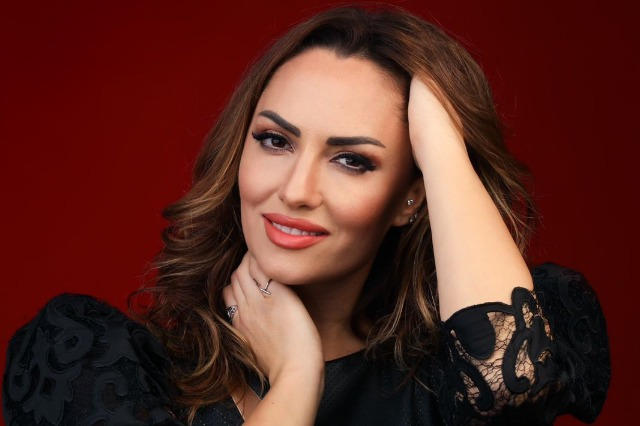
The 62nd song festival in RTSH is anticipated not only as a significant musical event among art enthusiasts of all age groups in Albania and regions where Albanians reside, but also among the artists themselves. Their voices have consistently illuminated this unique event, steeped in tradition for more than six decades.
Eneda Tarifa, an artist well-known in the Albanian, Balkan, and European music scenes, who has also represented Albania in Eurovision, expressed in an interview for RTSH that the Albanian Song Festival is a unique event. It is a golden opportunity for any artist, singer, composer, or even lyricist.
“The RTSH Festival stage is expansive and holds a unique significance,” she remarked.
Eneda, the winner of the 54th Festival, advises this year’s participants not to solely focus on composing for Eurovision but to also honor and uphold the beautiful tradition of Albanian music.
“The year-end festival of Albanian light music has consistently held immense and distinct value. It is not merely an event aimed at Eurosong participation, turning it into a singular goal, whether one participates or not in Eurosong. The festival has always possessed significant value, irrespective of Albania’s involvement in Eurosong. As long as its values and traditions remain intact, the RTSH Festival will consistently stand as a musical event of substantial interest, appealing not only to artists but also to all art enthusiasts,” remarked Tarifa.
Drawing from her Eurovision experience, Eneda assesses that the European music event has been, from the outset, a platform for Albanians. It has not only promoted Albanian artists through music but has also propelled certain personalities to fame on a global scale.
“When we initially participated, it was a significant event. I wouldn’t say that now it has become routine, but rather it’s become part of the Festival system, where an artist needs promotion and networking opportunities. Yet, based on my experience, I don’t recall any singer achieving a notable career solely outside of Eurovision, thanks to Eurovision alone. Presently, Eurovision isn’t the sole means for gaining recognition in the European scene, given the abundance of platforms from YouTube to various music applications. It doesn’t hold the same grandeur it once did, but it remains a challenge worth embracing,” emphasizes Tarifa.
The renowned artist also addresses the ongoing debate regarding whether Albanian composers should take a moment to reflect, contemplating whether to remain loyal to the traditions of Albanian music or adapt to the current era of cosmopolitan music.
Tarifa states that while she is a fanatic enthusiast of the Albanian Music Festival, she isn’t blindly committed to it until the end. She acknowledges the rapid changes within the music market, advocating for adaptation while ensuring that “our compromise does not compromise the distinct essence of Albanian music.
“The compromise should strive to avoid fundamental errors and deviations. Some composers enter the RTSH Festival with the intent to adapt their music for Eurovision, while others prioritize sticking to tradition, irrespective of whether their song is intended for Eurovision or not. Both approaches, I believe, hold merit. However, I must emphasize that due to ambitions to overly ‘Europeanize’ Albanian songs, a part of its tradition and distinct characteristics in Albanian light music has been lost. Preferences in music vary, but we must acknowledge that there are no culprits in this scenario. It’s not about labeling those composing for Eurovision as wrong or those embracing tradition regardless of Eurovision as right. This ongoing debate will persist. What’s crucial to highlight is that the Albanian Song Festival shouldn’t be merely a stepping stone for Eurovision,” comments Tarifa.
Regarding whether Eurovision represents the finest values of European music, Eneda responds by noting the evolution of Eurovision over the years.
“It has transformed from what it used to be. It’s a grand celebration influenced by significant lobbies, yet, on the other hand, it encompasses vast populations from Europe and around the globe. It stands as a massive musical celebration where people gather more for the entire experience rather than solely for victory, despite the competitive aspect,” elaborates Tarifa.
The singer has reflected on her participation in Eurovision in 2016 and believes that, in hindsight, there were numerous aspects that could have been improved or fixed.
“I should have performed the song in Albanian and enlisted a proficient stage manager for the performance. At that time, I was quite young, and my perspective has changed since then. I also should have adjusted the essence of the song. I was undergoing a challenging personal moment, and I didn’t put forth enough effort for the stage presentation. I should have handled it differently, but I also felt quite isolated,” explains Eneda reflecting on her Eurovision experience.
She also has a message for the artists participating in the 62nd RTSH Song Festival: “My message is simple: create the music that resonates with your soul. Ambition is important, but don’t let it become the sole objective. Every beautiful participation will hold value at a certain moment. Many who sang before are now receiving recognition for their past work. The emotion within music never ceases.”
/m.ll/
Të ngjashme

Latest News

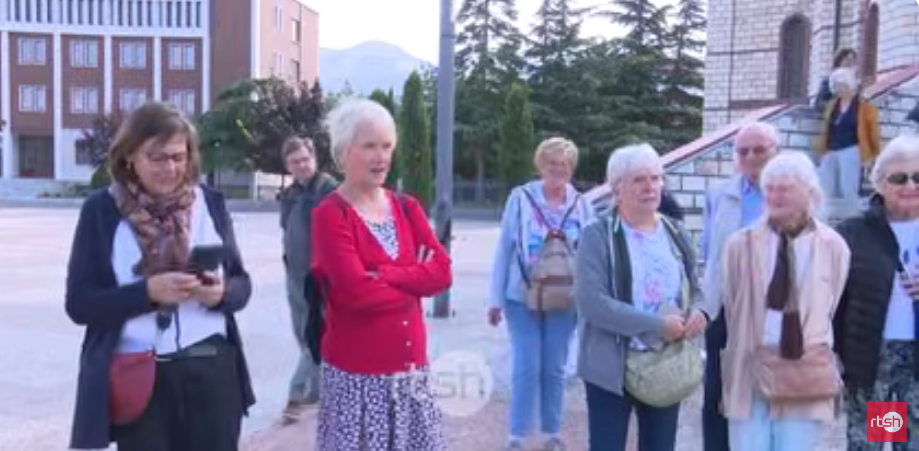
Korça attracts autumn tourists as New Year bookings begin

Most read










 RTI