
 English
 Français
  Deutsch
 Italiano
 Turkish
 Greek
Greek Serbian
Sweden supports Kosovo’s efforts and the progress made towards the abolition of visas




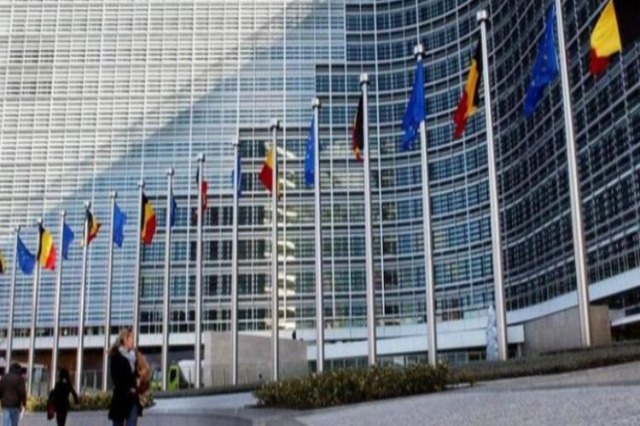
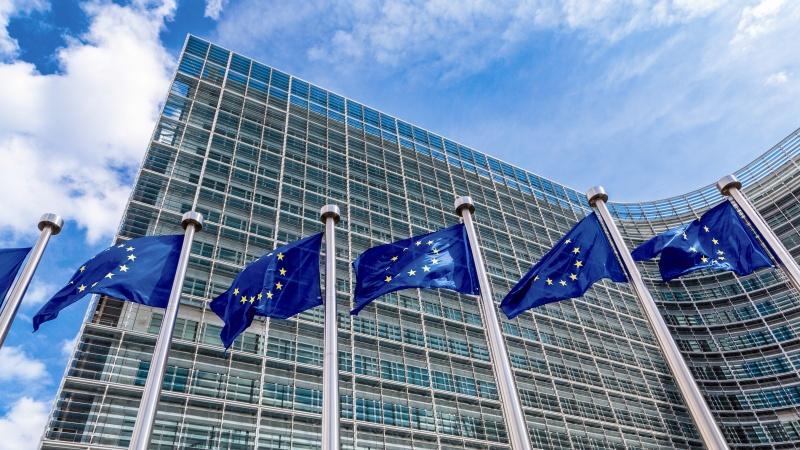
For six months, from January 1 of this year, Sweden will preside over the presidency of the European Union. Some of the priorities of this country during this important period have already been made public. But what will happen to Kosovo? The Swedish presidency has spoken to Nacional about these issues.
Nacional asked the Swedish Presidency about Kosovo’s membership in the EU.
During December, Prime Minister Albin Kurti stayed in the Czech Republic, where he officially submitted the application to become a member state of the bloc.
But for this matter, there are many procedures. Sweden will also take into account the views of the member states, as has been made known to Nacional.
“Kosovo’s application for EU membership will be handled in accordance with the relevant rules and procedures, including taking into account the views of EU member states,” spokeswoman Sibel Missouri said.
“The EU integration process of the Western Balkan countries, as well as security developments in the region, will remain important during the Swedish EU presidency,” she said.
On Tuesday, the Swedish presidency told Nacional that there are still some “formalities” regarding the issue of visas and confirmed to us that the discussions will take place during January and February.
“There is a political agreement between the Council and the EP. The outstanding formalities regarding the decision to change the ordinance will take place during the Swedish presidency of the EU and are expected to take place during January and February,”said Mrs. Missouri.
Sweden was one of the countries that supported France’s proposal that the liberalization of visas for citizens of Kosovo be conditional on the information system, Etias.
Carolina Vrocharis, from the Division for Migration in the Ministry of Justice of Sweden, had told National that this country supports Kosovo’s efforts and the progress made towards the abolition of visas.
However, she also mentioned the developments of recent years in the Western Balkans, arguing that the ETIAS system is a tool that manages risks.
“Regarding your question on ETIAS, the Swedish government would like to see the system in operation as we believe it would contribute to better management of security and migration risks to the EU. Due to the developments of recent years in the Western Balkans, we believe that adequate measures such as ETIAS are important to discuss as a means to manage risk,” she had said.
/a.p/




 RTI
RTI