
 English
 Français
  Deutsch
 Italiano
 Turkish
 Greek
Greek Serbian
Sweden takes over the presidency of the EU, the Western Balkans is also a priority




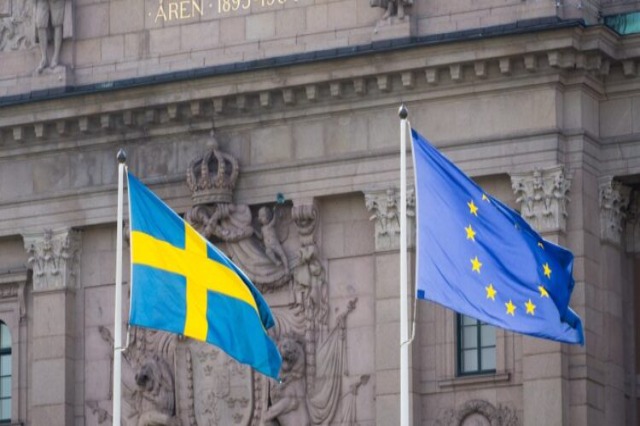
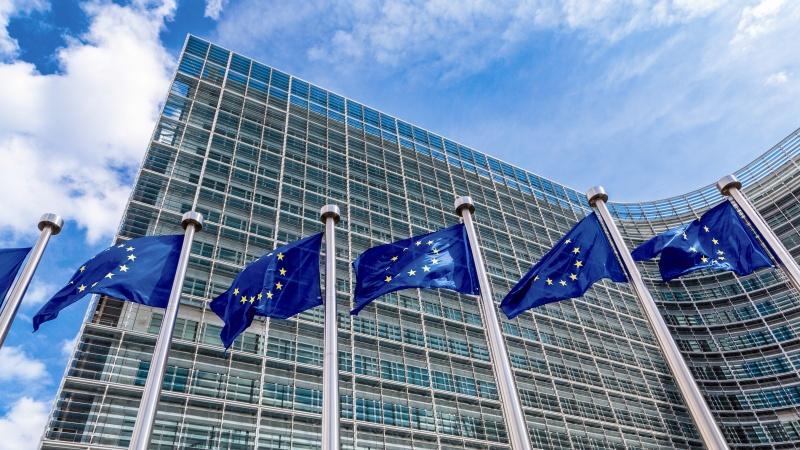
On the first day of 2023, Sweden took over the presidency of the Council of the European Union from the Czech Republic, which will last until the end of June. This will be the third time that Sweden will be at the head of this institution. A member of the EU since 1995, it held the presidency in 2000 and 2009.
The Prime Minister of Sweden, Ulf Kristersson, speaking about the priorities that his country will have at the head of the EU in the first half of 2023, said that he will work for a “safer, freer and greener Europe”. These three points, according to him, will be the foundation of Sweden’s priorities during the presidency of the European Union.
Referring to Russia’s aggression in Ukraine, Kristersson said that strengthening the EU’s defense capabilities, as well as cooperation with NATO and the United States of America, will be necessary to continue providing assistance to Ukraine in all aspects.
In the documents that the Swedish Presidency of the EU published about its priorities, relations with the Western Balkans and the enlargement process are mentioned as important issues in terms of security for the whole of Europe.
“The developments in the Western Balkans, in terms of security, are important both for this region and for the European Union”, it is stated in the documents of the Swedish Presidency of the EU.
Sweden, say diplomatic sources in Brussels, will work on strengthening ties and cooperation with neighboring EU countries, both with those that are in the process of enlargement and those that are not included in this process.
Sweden promised to continue the work that started with the granting of EU membership candidate status to Ukraine and Moldova, but also with other countries, including those of the Western Balkans region.
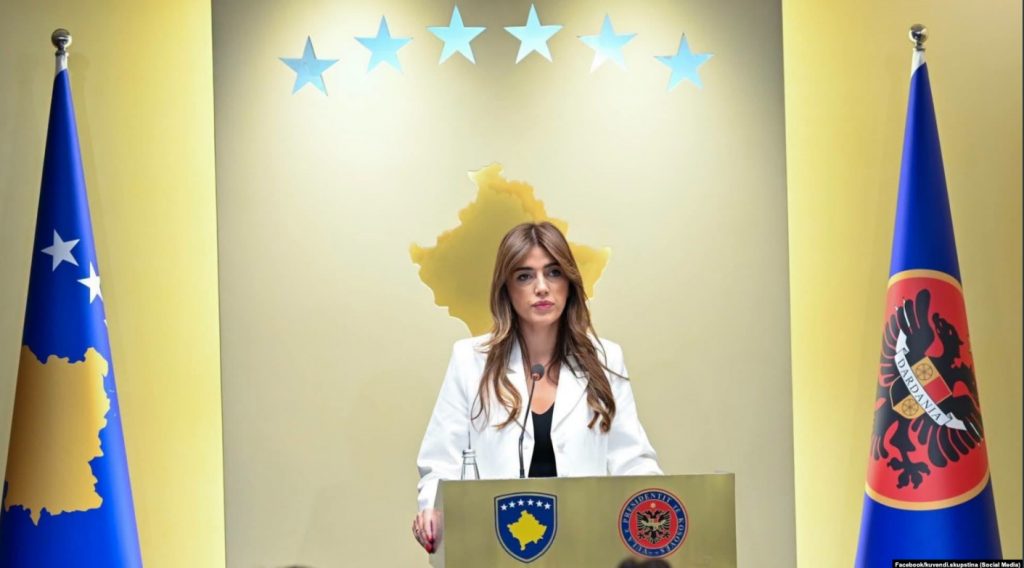
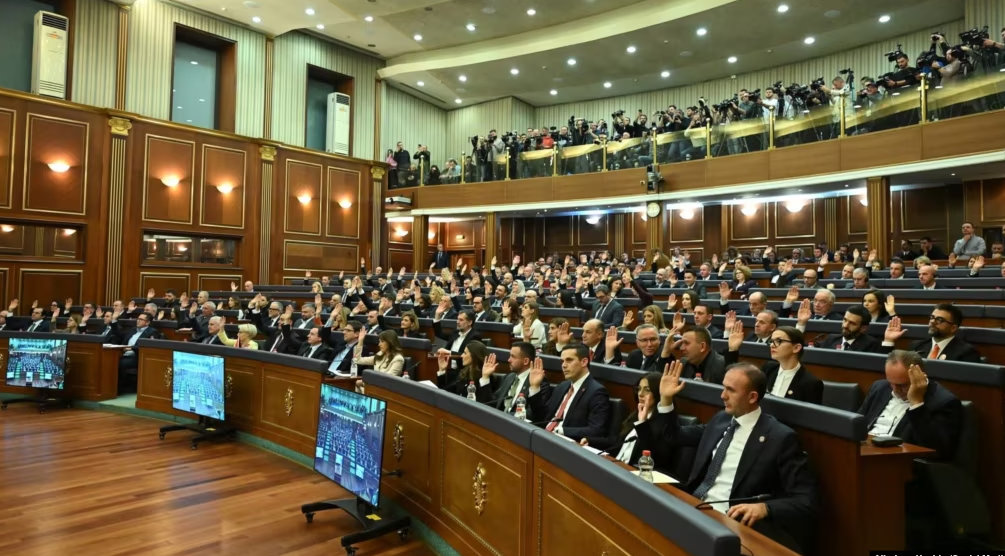
It is expected that the Swedish Presidency will continue working on two issues related to Kosovo. One is the formal conclusion of the decision on the liberalization of visas, while the other concerns the review of Kosovo’s request for EU membership.
As for visa liberalization, most of the work was done during the Czech presidency – the decision was approved by the member countries in the European Council, then the agreement on this decision was also reached in the European Parliament.
Now it is only expected that this agreement will be approved in the European Parliament, and then once again in the Council. This is expected to happen in the first part of Sweden’s EU presidency.
According to the decision agreed upon by the EU member states, visa liberalization for Kosovo will enter into force no later than January 1, 2024. In relations with the countries of the Western Balkans, it is expected that Sweden will prioritize cooperation in the field of migration control.
/k.s/









 RTI
RTI