
 English
 Français
 Deutsch
 Italiano
 Turkish
 Greek
 Serbian
“Travel and Tour World”: Albania Builds Its First Underwater Archaeological Museum




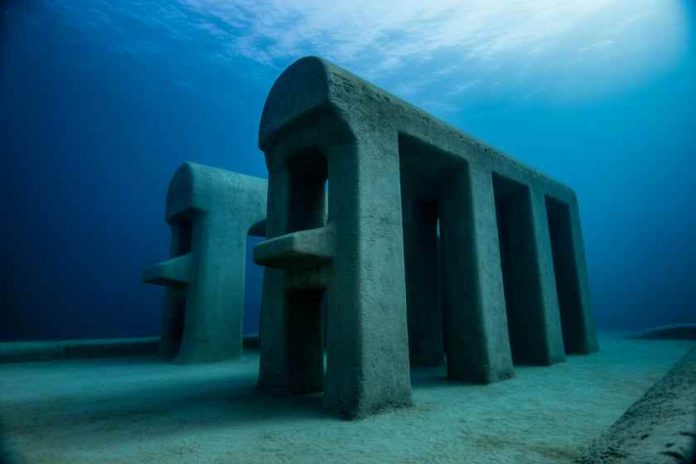
Albania is improving southern infrastructure to boost its tourism industry, according to Travel and Tour World (TTW).
Specifically, the government invests heavily in urban development. This includes building new roads, services, and public facilities in popular tourist areas. Consequently, the projects aim not only to enhance tourist experiences but also to improve local quality of life and economic opportunities.
The infrastructure upgrades address growing tourist demand. Overall, the investment reaches 70 million euros. Authorities focus on improving core facilities, tourist infrastructure, accessibility, and services at key destinations. This focus is especially important given the recent surge in visitors along Albania’s stunning southern coastline.
Moreover, Albania plans a new tourist attraction: an underwater museum. This museum will attract international visitors. It will sit on the southern coast and showcase submerged artifacts. Visitors will explore sunken ships, underwater archaeological sites, and diverse marine life in the Mediterranean. As the first of its kind, the museum targets tourists interested in maritime archaeology, underwater exploration, and cultural discovery.
In addition, the museum promotes eco-friendly tourism, reflecting Albania’s commitment to sustainable travel.
Meanwhile, the World Bank-backed project also restores historic sites, including castles and caves. These landmarks represent key tourist attractions. By restoring sites like the Llogara Pass, Butrint National Park, and coastal castles, Albania preserves cultural heritage for future generations while enhancing the visitor experience. Furthermore, upgrades increase accessibility and accommodate more tourists. Thus, preserving heritage and tourism go hand in hand.
Furthermore, Albania develops new tourist products for niche markets. The government invests 8.6 million euros—funded by the World Bank—in marketing natural and cultural sites, as well as adventure tourism. The goal is to create unique experiences that attract history enthusiasts, adventurers, and eco-tourists. These offers include cultural excursions, walking tours, and cycling routes. Visitors engage directly with history, nature, and local communities.
In parallel, tourism investments stimulate economic development. Improving tourist infrastructure and diversifying offerings boosts local economies and generates jobs. Consequently, communities see increased demand for accommodation, food, travel, and support services. Tourism and hospitality provide sustainable growth opportunities for local populations.
Geographically, investments allow Albania to optimize its natural and historic monuments. Moreover, smart tourism development prevents uneven economic growth across regions and sectors. Combining heritage management with tourism enhances global competitiveness and positions Albania as a top destination.
In conclusion, building the underwater museum and restoring historic sites drives urban progress. The government plans to complete all projects by summer 2026, maximizing international tourist flow. Finally, Albania aims to provide visitors with opportunities to explore the hidden wonders of its ancient world.
Discover Albania’s Hidden Gems: New Infrastructure and Underwater Museum to Boost Tourism
/a.c/
Të ngjashme
Latest News










Most read










 RTI