
 English
 Français
  Deutsch
 Italiano
 Turkish
 Greek
Greek Serbian
Upcoming EU-Western Balkans Summit to Be Held on December 18! Focus on Commitment to Regional Integration




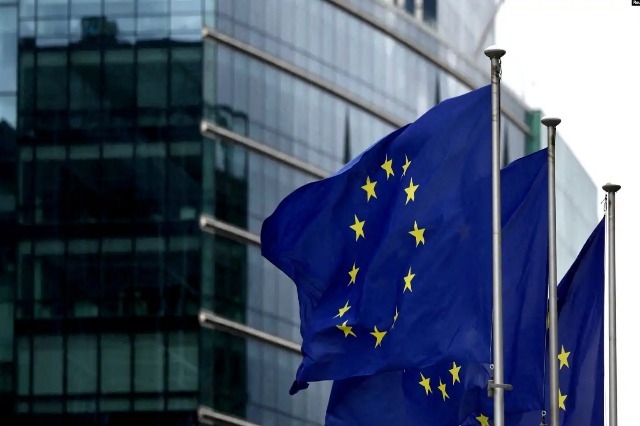
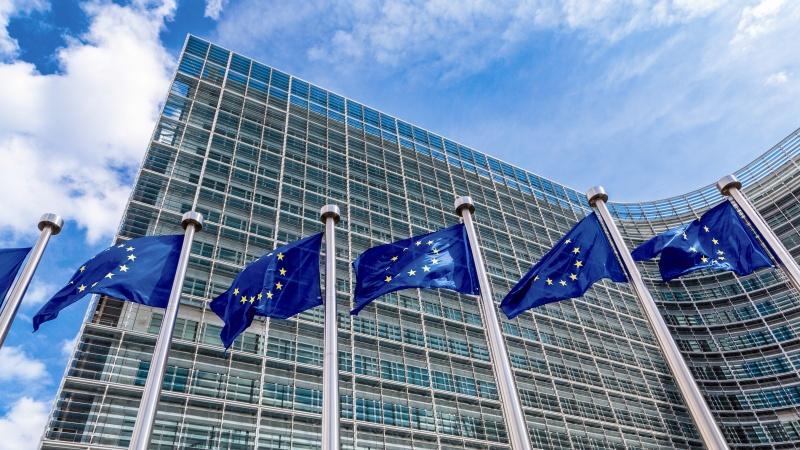
The strengthening of the partnership between the European Union (EU) and the Western Balkan countries, including their gradual integration into specific EU policies, will be the focal point of the upcoming EU-Western Balkans Summit, scheduled to take place in Brussels on December 18.
In the lead-up to this summit, the new President of the European Council, Antonio Costa, held an informal meeting with the region’s leaders ten days ago. Discussions included preparations and expectations for this joint event.
The regularity of EU-Western Balkans summits underscores the EU’s prioritization of this region, its relationships with the countries therein, and the comprehensive integration of these nations into the EU. This commitment is expected to be reaffirmed during the summit, as reflected in the draft Declaration prepared for adoption at the event. Radio Free Europe has reviewed the draft text.
“Enlargement is a geostrategic investment in peace, stability, and prosperity. The enlargement process has gained new momentum. Accelerating this process, based on fair and strict conditions and the principles of individual merit, serves our shared interest,” reads the draft Declaration, which EU leaders and their Western Balkan counterparts are expected to endorse.
Importance of the Partnership Amid Global Challenges
Amid Russia’s aggression in Ukraine and shifting global dynamics, the EU-Western Balkans partnership is now deemed more critical than ever. To expedite the enlargement process, the summit is expected to urge the region’s countries to resolve disputes promptly—both among themselves and with EU member states.
“Regional and bilateral disagreements rooted in the past have obstructed progress toward the future for too long. Implementing bilateral agreements in good faith and delivering tangible results, including the Prespa Agreement with Greece and the Treaty on Friendship, Good Neighborliness, and Cooperation with Bulgaria, remains crucial,” the draft document states.
These agreements continue to be key obstacles for North Macedonia, which remains blocked from opening EU negotiation chapters despite meeting all technical requirements. While Greece previously blocked the process, Bulgaria has since taken over this role.
Regional Disputes and Their Impact
Beyond North Macedonia, Serbia and Montenegro also face open issues with Croatia, an EU member state. Relations between Croatia and Montenegro have deteriorated since pro-Serbian and pro-Russian forces entered Montenegro’s government. Croatia has not blocked Montenegro’s EU negotiations but remains wary of future developments.
Serbia and Kosovo, too, have stalled in the EU integration process, primarily due to the lack of progress in normalizing relations between the two. The EU warns that this impasse harms not only their integration prospects but also the region’s overall stability. Consequently, normalizing Kosovo-Serbia relations is expected to feature prominently in the summit Declaration.
“Agreements reached through the EU-facilitated dialogue between Pristina and Belgrade, including the Agreement on the Path to Normalization, must be implemented without further delays. The EU calls on all partners to ensure equal rights and treatment for minority groups,” the draft text states.
Serbia and Kosovo: Progress and Challenges
Serbia has not opened any new negotiation chapters in the past three years. Efforts by the Hungarian presidency, supported by the European Commission and most member states, to allow Serbia to move forward have failed due to opposition from several member states.
The lack of progress in the rule of law, media freedom, and normalization of relations with Kosovo remains a significant barrier.
Kosovo, on the other hand, applied for EU membership two years ago, but its application remains unaddressed by the EU Council. The primary hurdles are the lack of recognition from five EU member states and limited progress in dialogue with Serbia.
Economic Growth and Regional Integration
The summit is expected to highlight initiatives aiding the region’s EU integration through gradual sectoral inclusion. One such initiative is the €6 billion Growth Plan for the Western Balkans, which aims to strengthen economic and trade ties between the region and the EU.
The EU also emphasizes progress in transport integration, citing the establishment of “green lanes” at border crossings to expedite goods transit. Additionally, the EU supports the region’s participation in the “green agenda,” focusing on environmental protection and combating climate change, as well as the digital agenda and the creation of a regional digital market.
Comprehensive Cooperation
Diplomats expect the summit to explore collaboration in multiple areas, from political and security matters to energy. These efforts aim to help Western Balkan countries prepare for EU integration while bolstering their economies and enhancing regional stability by resolving disputes.
The European Political Community’s forum, which includes EU and non-EU countries, will also welcome the Western Balkan countries. Notably, next year’s forum summit will be hosted in Tirana.
The EU remains committed to fostering closer ties with the Western Balkans, ensuring a shared future of peace, prosperity, and stability.
/k.s/
Të ngjashme

Latest News






Most read



 RTI
RTI