
 English
 Français
  Deutsch
 Italiano
 Turkish
 Greek
Greek Serbian
Vangjush Mio, the Master of Albanian Landscape Painting




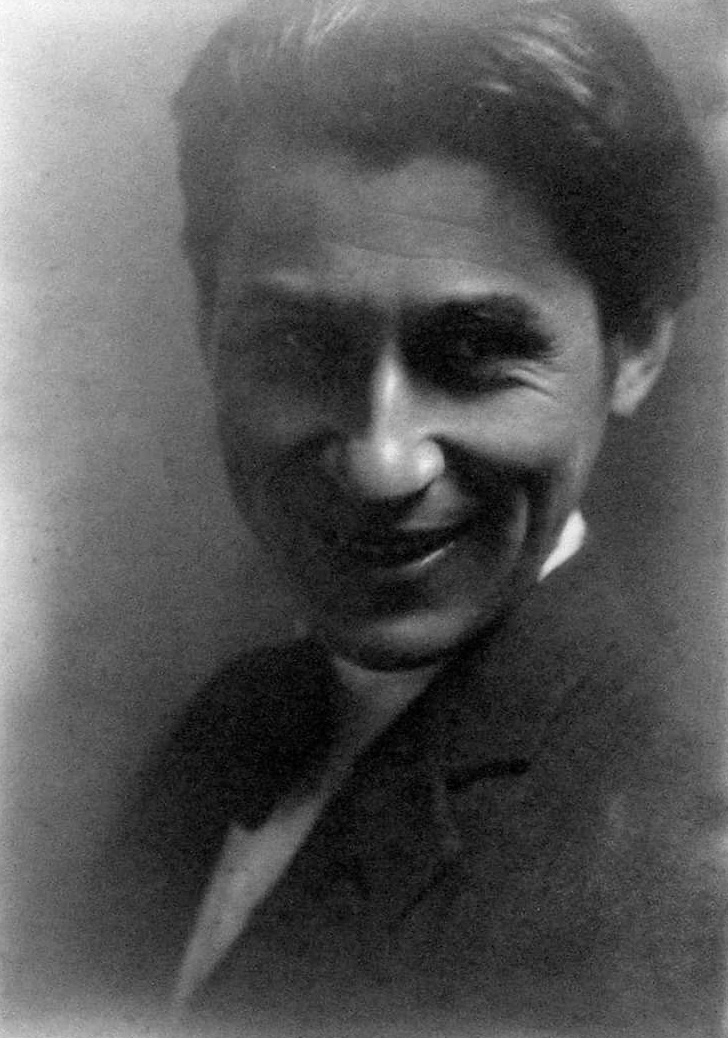
Sixty-eight years ago, Albania lost Vangjush Mio, the master of Albanian landscape painting.
Art critics regard him as one of the most important realist painters of the 20th century. Born in Korçë in 1891, Mio revealed his talent early while studying at the Academy of Fine Arts in Bucharest, Romania, where he completed his higher education.
In 1919, he returned to Korçë and opened his first solo exhibition. This marked the first solo exhibition in the history of Albanian visual arts. With the proceeds from selling his paintings, he continued his studies at the Institute of Fine Arts in Rome. There, he earned certification as both a painter and a restorer. Through his work, Mio introduced a modern spirit into Albanian painting and played a key role in educating younger artists.
Among his most famous works are Winter in Korçë, Dishnicë, Vithkuq, The Mulberries of Drenovë, The Haymakers, Self-Portrait, Portrait of a Woman, Portrait of an Old Man, The Gypsy, and The Man with the Bagpipes. He also created numerous landscapes of Korçë and Pogradec, as well as scenes from Italy, Montenegro, and other countries.
In total, Mio produced about 500 paintings, 200 drawings, and 80 sketches. His family preserves these works in his former home, now the Vangjush Mio Museum in Korçë. Thanks to the Revitalization Bonus program, authorities transformed the house-museum into a modern cultural space.
In recent years, institutions have also made major efforts to digitize Mio’s photographic archive. Around 450 negatives from the 1930s and 1940s capture the atmosphere of Albanian cities. They show traditional houses, lost religious monuments, pastoral scenes, and villages of southeastern Albania. Mio captured rare images with a painter’s eye, including striking landscapes of Korçë, Pogradec, Elbasan, Krujë, Durrës, and Vlorë.
For the past 15 years, Albania has honored his legacy through the international art colony “Mio Days,” held in his name.
/a.c/
Të ngjashme

Latest News






Most read










 RTI
RTI