
 English
 Français
 Deutsch
 Italiano
 Turkish
 Greek
 Serbian
Visitor Centers Rise Along Vjosa River, PM Rama: Spaces to Celebrate Europe’s Last Wild River




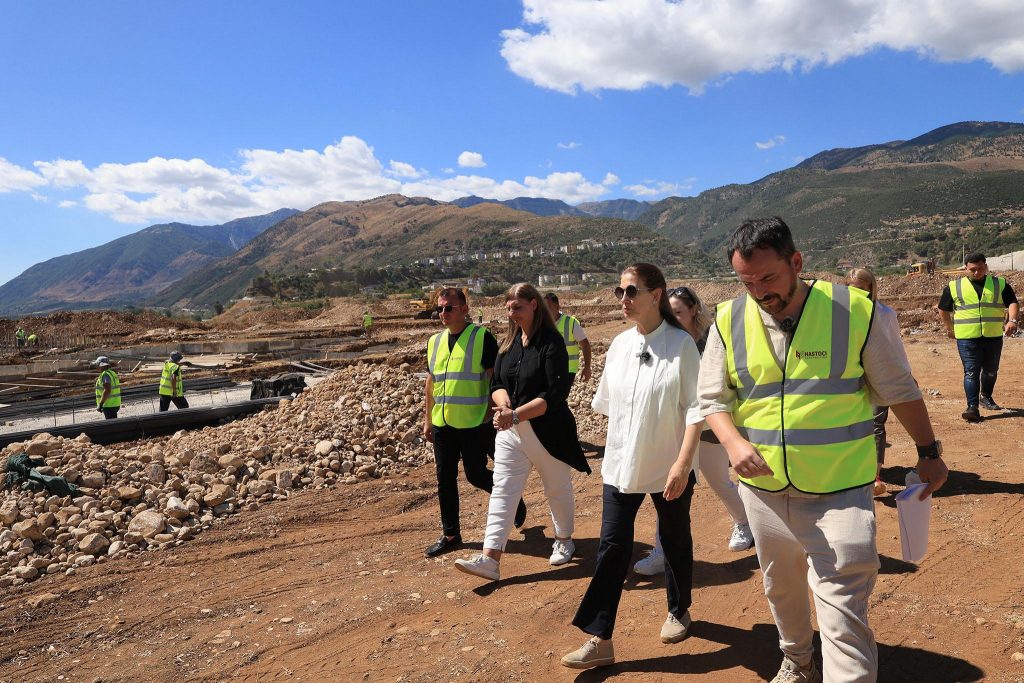
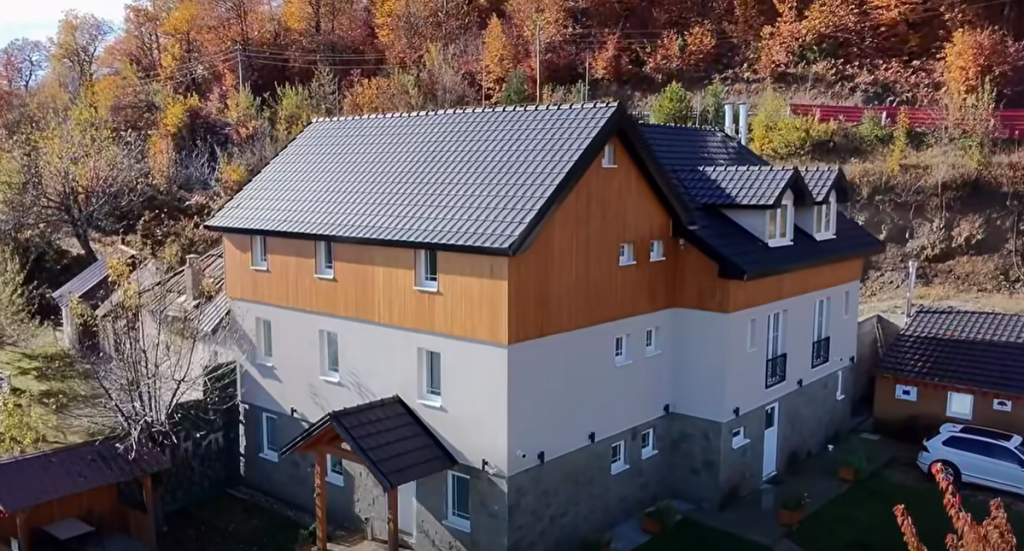
Construction has started on multifunctional visitor centers in Tepelena and Përmet. These centers will serve tourists, foreign visitors, researchers, and nature lovers.
Prime Minister Edi Rama shared the news in a social media post. He explained that the new centers are dedicated spaces to promote the values of Europe’s last wild river.
“These visitor centers,” said Rama, “will offer scientific information, museum spaces, educational trails, and learning areas. They will serve researchers and nature enthusiasts”. He also emphasized that the park now has a dedicated administration office, already active and managing over 12,000 hectares of protected area.
Meanwhile, Tourism and Environment Minister Mirela Kumbaro visited the construction sites in Tepelena and Përmet. The projects include both the visitor centers and informational stations for Vjosa National Park. Notably, the design comes from an international competition. It uses local materials and blends the centers into the surrounding landscape.
According to Kumbaro, the park’s approved national management plan will guide interventions to fix environmental problems along the Vjosa.
“We are following the work on a major site that includes three locations,” Kumbaro stated. “The main center will include a nature museum, environmental education areas, tourist services, and research facilities. Researchers will have access to a laboratory and administrative offices, all located here”.
In addition, she addressed waste management in the area. “Nearby, there was an unacceptable municipal landfill,” she said. “We are removing it entirely. The area will become a 3,500-square-meter space for visitors, administrators, researchers, and environmental experts. This includes the many people who have supported Vjosa’s protection for over a decade”.
Kumbaro also confirmed that no new developments threaten the park. Instead, the focus is now on cleaning up past industrial impacts. “Some industrial sites are now inactive but still present. We will begin gradual rehabilitation, alongside the new visitor center”.
She went on to explain that Vjosa has coexisted with human activity for centuries. This includes agriculture, livestock, fishing, and use of natural resources. However, oil waste sites and gravel extraction have left long-term damage. These issues, she said, form part of the park’s history.
“That’s why we declared Vjosa a national park,” Kumbaro explained. “After years of advocacy and planning, we canceled hydropower contracts and gave this river valley a new future. Alongside this, we’ve launched several major projects”.
Among these, she mentioned a county-wide waste management plan, a World Bank-supported wastewater project, and a site rehabilitation initiative with the National Environment Agency and Albpetrol. The latter focuses on old oil sites that still affect the area.
“Declaring a national park brings not only responsibility, but real cost,” Kumbaro stated. “It requires halting certain economic activities and educating local residents”.
Later, in Përmet, Kumbaro visited the second visitor station. This project will revitalize the city’s stone shelter, a natural and cultural monument. It will become part of the visitor center and serve as a natural museum.
She also met the team managing the park. The third visitor center, she added, will be built in Vlora.
Overall, Vjosa National Park includes the tributaries Drino, Bënça, and Shushica. It spans 12,727 hectares and runs along 480 kilometers across four counties. The Council of Ministers has approved a dedicated administration office, and the full management plan is now in effect.
/a.p./
Të ngjashme
Latest News










Most read










 RTI