
 English
 Français
 Deutsch
 Italiano
 Turkish
 Greek
 Serbian
Zadrima, a small craft cluster, a model for rural development




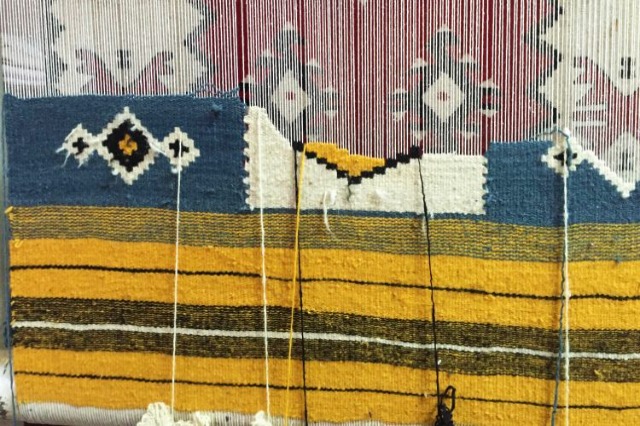
The promotion of agro-tourism and handicrafts is turning the Zadrima area into a small cluster of handicrafts that, among other things, can serve as a model for promoting development in rural areas.
A special sectoral study of the Ministry of Agriculture, highlighted the potential of handicrafts in the area that is becoming a source of income for households and an interesting base for exports. Small workshops are increasing sales thanks to the large number of visitors in the Agrotourism unit “Mrizi i Zanave” and on the coast of Shengjin.
Zadrima has become one of the main centers of handicrafts in Albania, known for the production of folk costumes, which was first promoted in the 2000s by the religious community.
A large part of the families living in the area practice handicraft activities, most of the activities are exercised by women.
Products are traded at the place of production, and through direct links to several points of sale. While many of them have developed or are developing (website, online store, etc.) and on social media.
Crafts have been created as family businesses or by groups of women, often created as a result of developing initially funded initiatives. In particular, some handicraft activities created by groups of women (e.g. Zadrima, Artistic Zadrima) were initially created as a result of long-term efforts (starting in the mid-1990s) by locals.
Initially the community was supported by the local Catholic church, which also helped with financial resources and technical assistance. Some NGOs then assisted in marketing the products.
Among the most interesting experiences are those in the village of Fishta, where there are now some popular activities, such as Art Zadrima and Studio Vasili (ceramics) and Zadrima (soap and other personal care products).
In particular, Zadrima has been particularly active on the marketing side, selling its products at fairs but also exporting to Italy.
Some of the workshops (eg Art Zadrima) have made arrangements for the marketing of their products through Mriz i Zanave, the most famous agritourism unit in Albania, which is also located in Zadrima. This type of agreement confirmed the role that agritourism can play as a factor in selling a wider range of products (not just food products) from the territory.
The group of crafts in Zadrima consists mainly of some small workshops, but the largest handicraft company is located in Rragam (Guri i zi, 12 km away from Shkodra). Some of the products of this workshop are handbags, curtains, scarves and traditional costumes and the decoration consists of old folk motifs. The products are a combination between traditional and modern models; the business model is an interesting case of integration with the international craft trade network. The company uses traditional working methods and general models, but takes specific models based on tradition.
Agrotourism combined with tradition in Zadrima is the best example of how sustainable development can be promoted in rural areas.
/Klara Ruci/
Të ngjashme













Most read










 RTI