
 English
 Français
 Deutsch
 Italiano
 Turkish
 Greek
 Serbian
Albania 2026: A growing European tourist destination writes Italian travel magazine ‘Wom Travel’




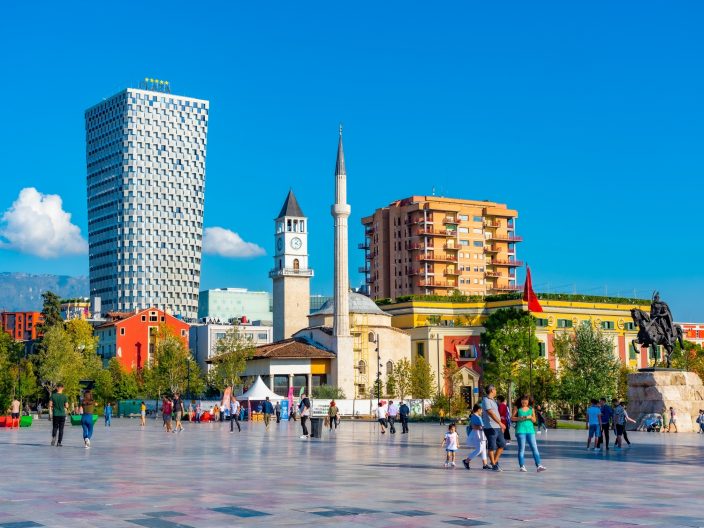
TIRANA, 20 February –Albania attracts visitors with clear waters, scenic landscapes, and historic villages. Nature and tradition combine to create memorable travel experiences, according to the Italian travel magazine Wom Travel.
This combination of natural beauty and cultural heritage helps explain why Albania is among Europe’s fastest-growing tourist destinations in 2026. Affordable prices, authentic experiences, and the mix of Mediterranean coastlines and lively cities such as Tirana draw a record number of visitors.
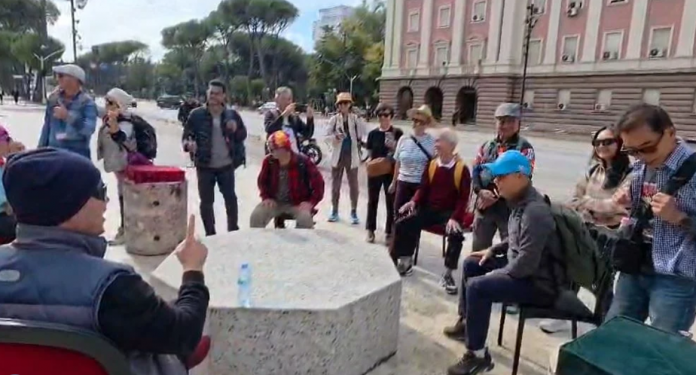
In Tirana, travelers can explore cultural sites, museums, and public squares. Skanderbeg Square hosts the National History Museum, featuring a large mosaic. Nearby, Et’hem Bey Mosque displays delicate frescoes.
The Blloku area illustrates the city’s creative transformation. Once an elite residential quarter, it now includes galleries, bars, and cafes. Similarly, the Pyramid of Tirana, formerly a mausoleum, has become a cultural center. Bunk’Art provides exhibitions on twentieth-century Albanian history. For outdoor recreation, the Grand Park of Tirana, with its artificial lake, offers walking and leisure areas. Visitors can also explore the New Bazaar, which features seasonal fruits, spices, and local cheeses.
To view Tirana from above, tourists can take the Dajti Express cable car to Mount Dajti. The ride offers panoramic views of the city and surrounding landscapes.
Food is another attraction. Albanian cuisine is widely available at affordable prices. Traditional dishes include byrek [pie], creamy yogurt-based meals, and baklava. A full meal in a traditional restaurant costs about 8–12 euros. Cafes in Blloku charge roughly 2 euros for coffee. Markets sell local products such as olives and artisanal cheeses.
Getting around is straightforward. The city center is walkable. Public buses cost 0.50 euro, and taxis charge affordable fares. From the airport, a 30-minute bus ride takes visitors to the center for 2 euros. Credit cards are widely accepted, but cash is useful in some places. Many young residents speak English.
The best time to visit Albania is spring and early autumn, when temperatures are warm and skies are clear. Summers can be hot, but parks and terraces provide cooler areas. Safety and local conditions are generally comparable to other European capitals. For weekend visits, booking flights and accommodations early—especially near Skanderbeg Square or Blloku—reduces travel time and enhances convenience.
/a.p./
Të ngjashme
Latest News

Most read










 RTI