
 English
 Français
 Deutsch
 Italiano
 Turkish
 Greek
 Serbian
CALENDAR-February 12th




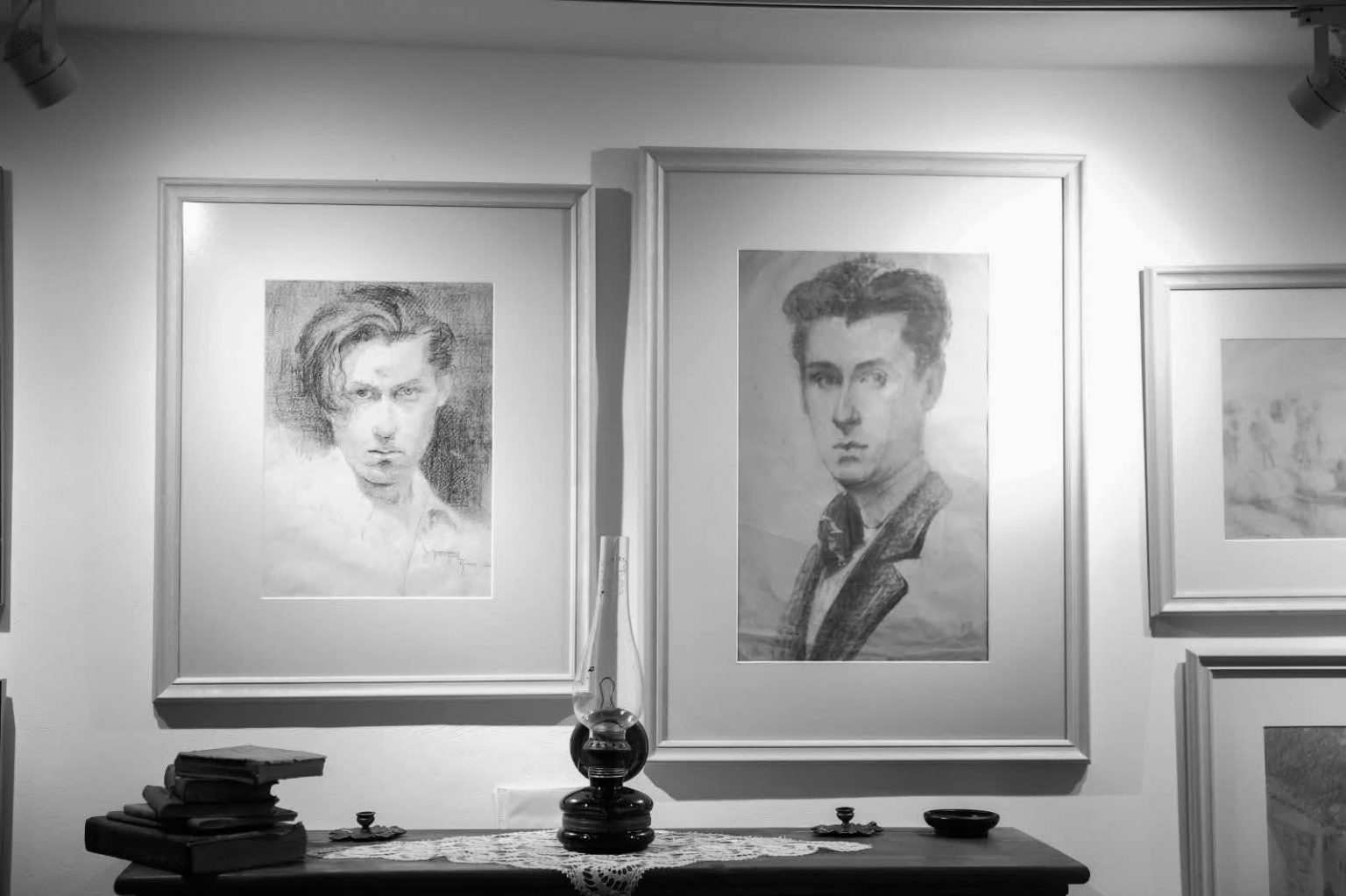
It was on February 12, 1905, when the patriotic writer and cleric Papa Kristo Negovani was massacred at the age of 30. He was an Albanian national figure, priest, poet, teacher, writer and publisher. Also known as Kristo Harallambi, he was born in Negovan near Follorina in Greece in 1875. He was educated in Athens. In 1897 he returned to his native village, where he was ordained a priest and continued his work as a teacher. Over time, some several thousand people became followers of Negovani.He preformed mass in the Albanian language and taught children in their mother tongue. The village of Negovani was attacked (12 February 1905) by Greek guerillas (andartes) and Kristo Negovani along with his brother and three other villagers were killed. Negovani’s assassination aroused a nationalist response with the Albanian guerilla band of Bajo Topulli killing the Metropolitan of Korçë, Photios.
The prominent historian, researcher Injac Zamputi, was born in Shkodër on February 12, 1910. He studied at the Saverian College. At the age of 21, he was assigned as a teacher in that College. In 1993, he went to live in Italy. He died on February 28, 1998, leaving wonderful manuscripts, but also historical studies. In 1995, he was awarded the presidential decoration “Outstanding Worker of Science and Technology”
On February 12, 1920, the Yugoslavs occupied Mount Tarabosh, extending their rule to the entire right bank of Buna and Lake Shkodra, up to the Buna bridge. The “National Defense” committee took a series of organizational measures to face the inevitable fighting with the Yugoslav occupying forces.
On February 12, 1945 – The daily newspaper of the Kosovo Albanians “Rilindja” was published for the first time in Prizren.
Cinematographer Gëzim Erebara, Merited Artist, passed away on February 12, 2007 in Tirana at the age of 78. He was born on May 19, 1929 in Dibër. After finishing high school, in 1948 he went to study in the Czech Republic, where he began his studies in directing. Erebara, in 1967, worked as a co-director with Pirro Milkan in the film “Ngadhnjim mbi vdekjen”, a film that was condemned and banned for ideological reasons during the communist regime. Erebara’s filmography includes “Green Field, Red Field”, “Girls with Red Ribbons”, “Forest of Freedom”, “Early Summer” and “The Brave man”. He is also known for his masterful translation from Czech of Jaroslav Hashek’s work “The Good Soldier Svejk”.
/a.s/
Të ngjashme
Latest News


Most read










 RTI