
 English
 Français
  Deutsch
 Italiano
 Turkish
 Greek
Greek Serbian
Kosova and EU Measures: A Deadlock with Long-Lasting Consequences




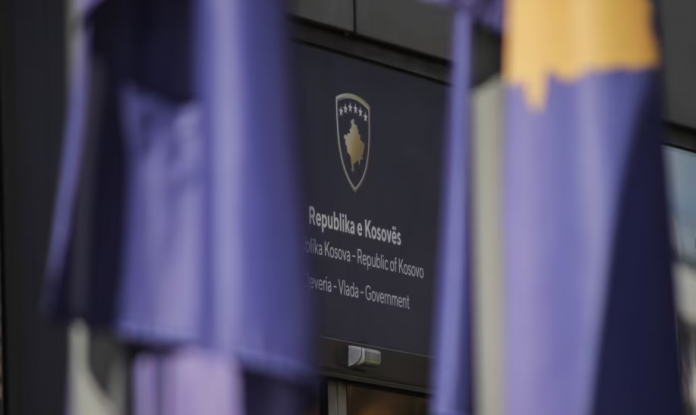
The European Union’s measures have not compelled the Kosova government to change its stance, but they have had a significant impact on the well-being of its citizens. With no clear consensus within the EU on when these measures might be lifted, uncertainty continues to shape the situation.
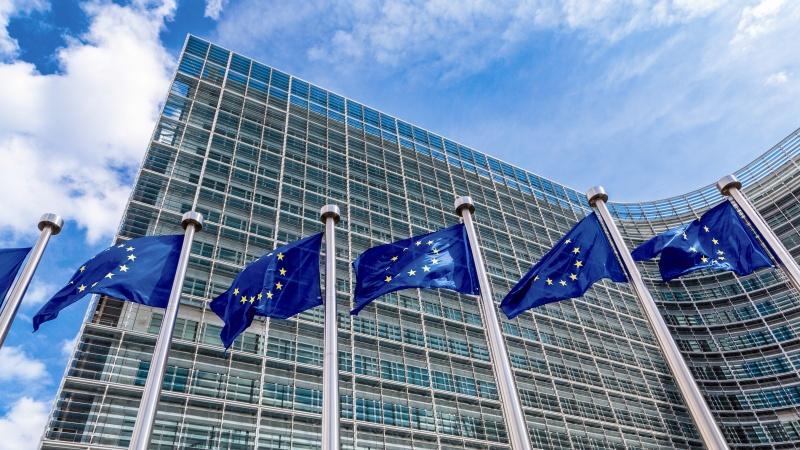
Twenty months after the freezing of funds for Kosova and the suspension of high-level visits, the European Union still refuses to remove these measures, despite ongoing requests from Prishtina and the European Parliament.
In a response to Radio Free Europe, a spokesperson for the EU block stated, “The EU’s temporary measures are reversible, and the Council has already set conditions for their gradual removal, which are linked to Kosova taking steps to reduce tensions in the north”.
Klisman Kadiu, from the office of Kosova’s First Deputy Prime Minister, Besnik Bislimi, did not respond to Radio Free Europe’s question about whether the government has any signals on when the EU measures will be lifted. Similarly, there was no response regarding the estimated losses caused by these measures.
The EU took action against Kosova in June 2023, citing Prime Minister Albin Kurti’s role in escalating ethnic tensions in the north, an area predominantly inhabited by Serbs.
Despite the measures, Kurti did not back down. He banned the use of the Serbian dinar, closed most Serbian institutions in Kosova, and defended this policy as an extension of Kosova’s authority.
In some instances, he described the EU measures as unjust, asserting that he could not compromise on the rule of law and the constitutionality of the country.
The EU has not disclosed which projects have been specifically impacted by the suspension of funds for Kosova. However, sources from Radio Free Europe revealed that these projects range from cultural initiatives to infrastructure, with a value reaching up to 100 million Euros.
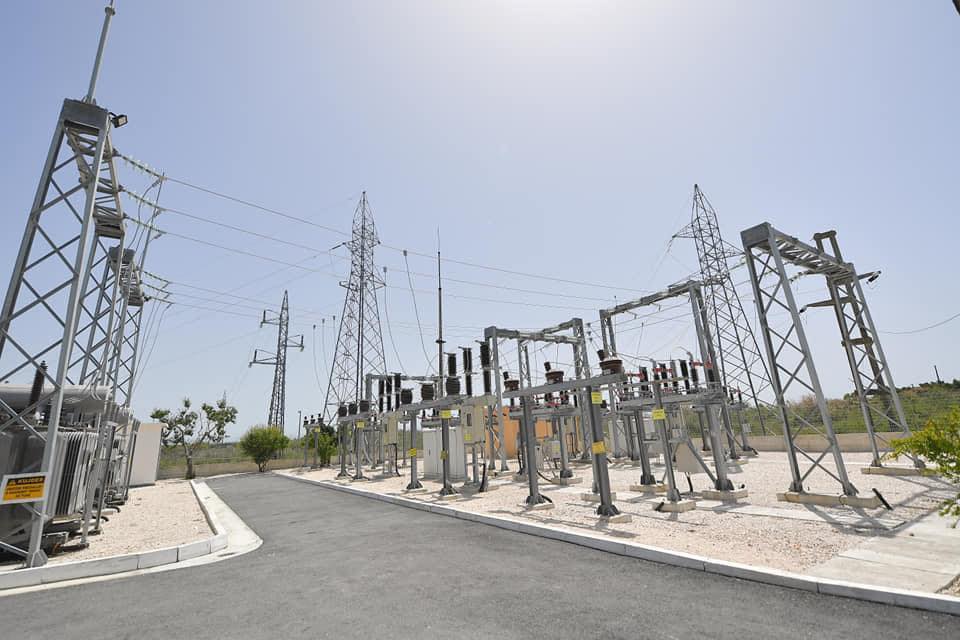
Fisnik Osmani, CEO of the City of Pristina’s “Termokos” heating plant, confirmed that a project to double the city’s heating capacity has been suspended due to the freezing of a 17.6 million euro grant from the European Union.
He explained that these funds were part of the IPA program, which provides financial and technical assistance to countries aspiring to join the EU, but in Kosova’s case, they have been blocked.
“The EU sanctions have severely hindered Kosova’s economic development. In this instance, unfortunately, the City Heating Plant has also been affected, and as a result, so have the citizens of Prishtina,” Osmani told Radio Free Europe’s Expose program.
/a.p./
Të ngjashme

Latest News

Most read



 RTI
RTI