
 English
 Français
 Deutsch
 Italiano
 Turkish
 Greek
 Serbian
Experts Urge New Methods to Revive Historical Awareness




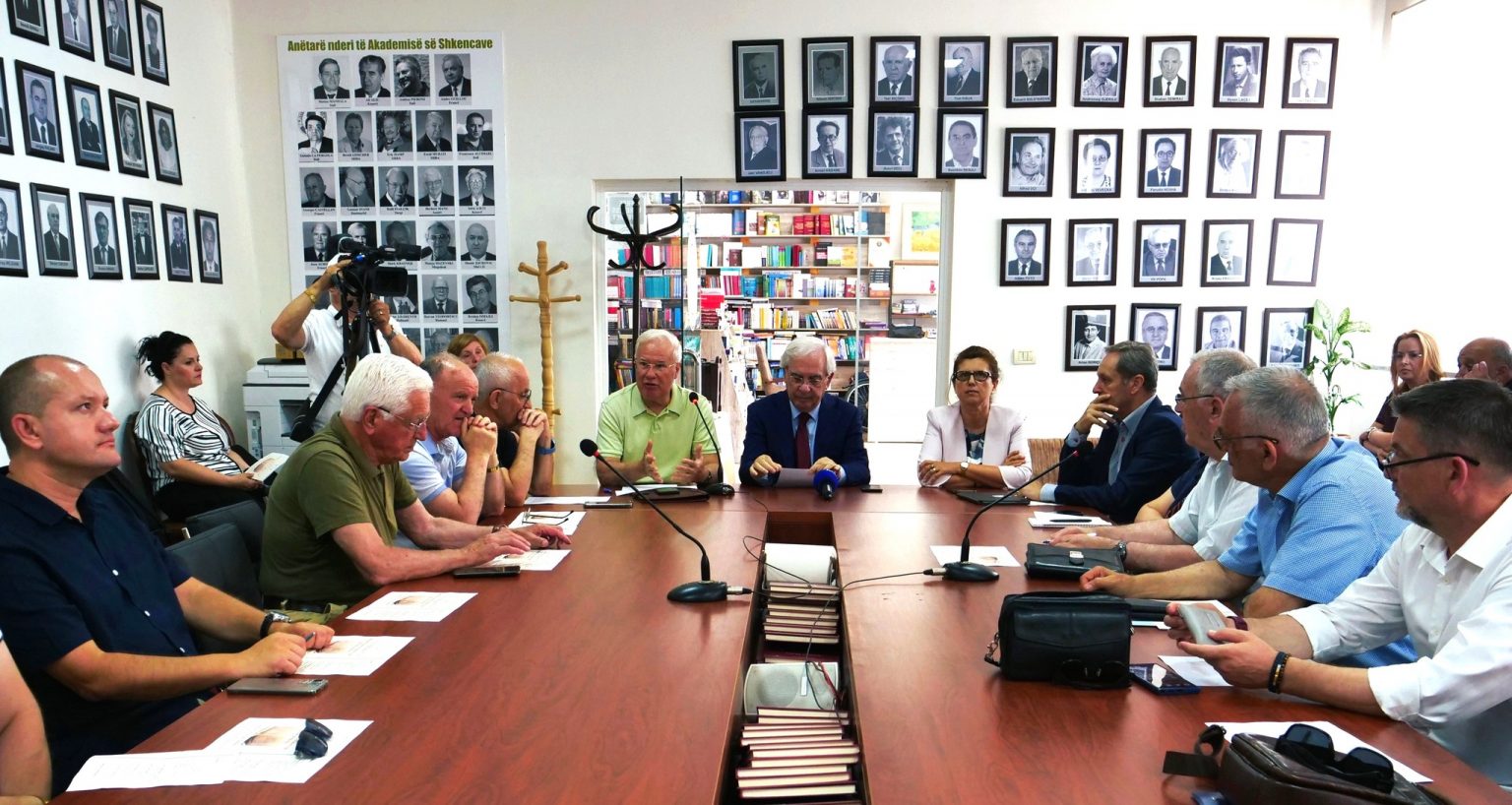
The discussion addressed global trends and national history. It explored how technology and artificial intelligence shape historiography. It also focused on the moral reassessment of historical figures and the political use of history in modern conflicts.
Prof. Dr. Ferit Duka gave a presentation titled “Historiography Then and Now: Achievements and Problems.” He compared historiography during communism and post-communism.
He stated that in both periods, Albanian political parties and their leaders used history to legitimize and strengthen their power.
This approach, according to him, encouraged amateur historiography. Unfortunately, this trend often dominates the media and public discourse.
“Today, we need high-quality historical studies,” said Duka. “This requires qualified historians with strong resistance to manipulative pressure. It’s one of the biggest challenges for our historiography today.”
The final paper came from Prof. Dr. Arben Cici, titled “Historical Apathy of the Younger Generation and the Challenge of Awakening Collective Memory.”
He examined how social media and technology have distanced young people from the past. As a result, they often see history as boring, distant, and irrelevant.
To address this issue, Prof. Cici proposed several ideas. These include reforming history curricula, using critical thinking approaches, and building interest through new didactic methods.
He also suggested using technology—such as virtual reality simulations, interactive documentaries, and online platforms—as learning tools.
Other suggestions included project-based learning, memory-based activities, and youth engagement in remembrance initiatives like visits to concentration camps, memorials, and exhibitions. He also shared best practices from other countries.
At the end, participants discussed the key issues raised by the speakers.
/a.c/
Të ngjashme
Latest News




Most read










 RTI