
 English
 Français
 Deutsch
 Italiano
 Turkish
 Greek
 Serbian
Himara Castle: A Cultural Heritage Treasure




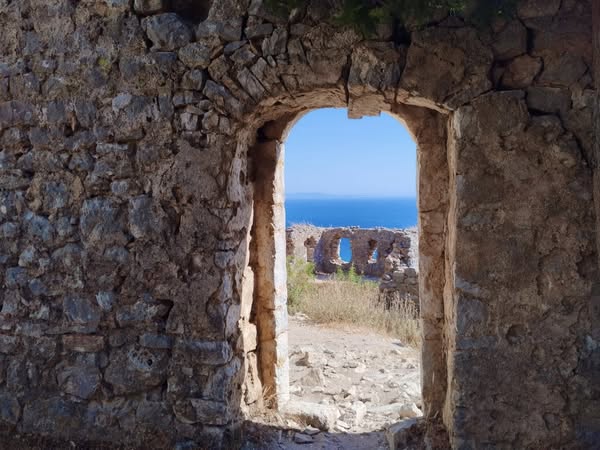
Each morning at Himara Castle begins with breathtaking views that highlight both its historical depth and natural beauty. This remarkable site stands as a living testament to Albania’s rich past.
At the hilltop where the castle rises, the sea converges with the region’s history and the spirit of its people. Therefore, every visit becomes a journey through time.
Visitors flock to Himara Castle to enjoy its panoramic scenery. Every day, the gates remain open, offering access to its ancient soul. As they explore the cobbled paths, both locals and tourists discover age-old churches and houses that once teemed with life.
The ancient Kaons constructed the castle as a formidable stronghold. Over the centuries, it endured Roman, Byzantine, and Ottoman invasions. Nonetheless, it consistently maintained its proud stature.
Moreover, the town of Himara itself, dating back around 3,500 years, qualifies as a significant historical monument. Known also as Barbakas, the castle includes two entry gates, one to the north and another to the south. It sits framed by two canyons: the Visha Canyon to the northwest, recognized as a natural monument, and the Kole Midhari stream canyon to the southeast.
Historical sources confirm the castle’s existence since at least the mid-4th century BC. At that time, it controlled the coastal route from Orikum to Butrint. In fact, ancient texts refer to it as Chimera, a name that some researchers link to the mythical creature with a lion’s body, goat heads, and a serpent’s tail. The site belonged to the Epirote tribe of the Kaons.
In certain parts, visitors can still find remnants of Hellenistic-era fortification walls. These polygonal stone blocks resemble those seen in Phoenice, Butrint, and other cities of Kaonia from the same period.
Inside the Hellenistic walls stands the Church of the Episcopacy, regarded as one of the area’s most important monuments. According to one version, this church rose atop the foundations of a temple dedicated to Apollo. It features a central nave and an adjacent half-chapel, where two bishops reportedly lie at rest.
/a.p./
Të ngjashme


Latest News





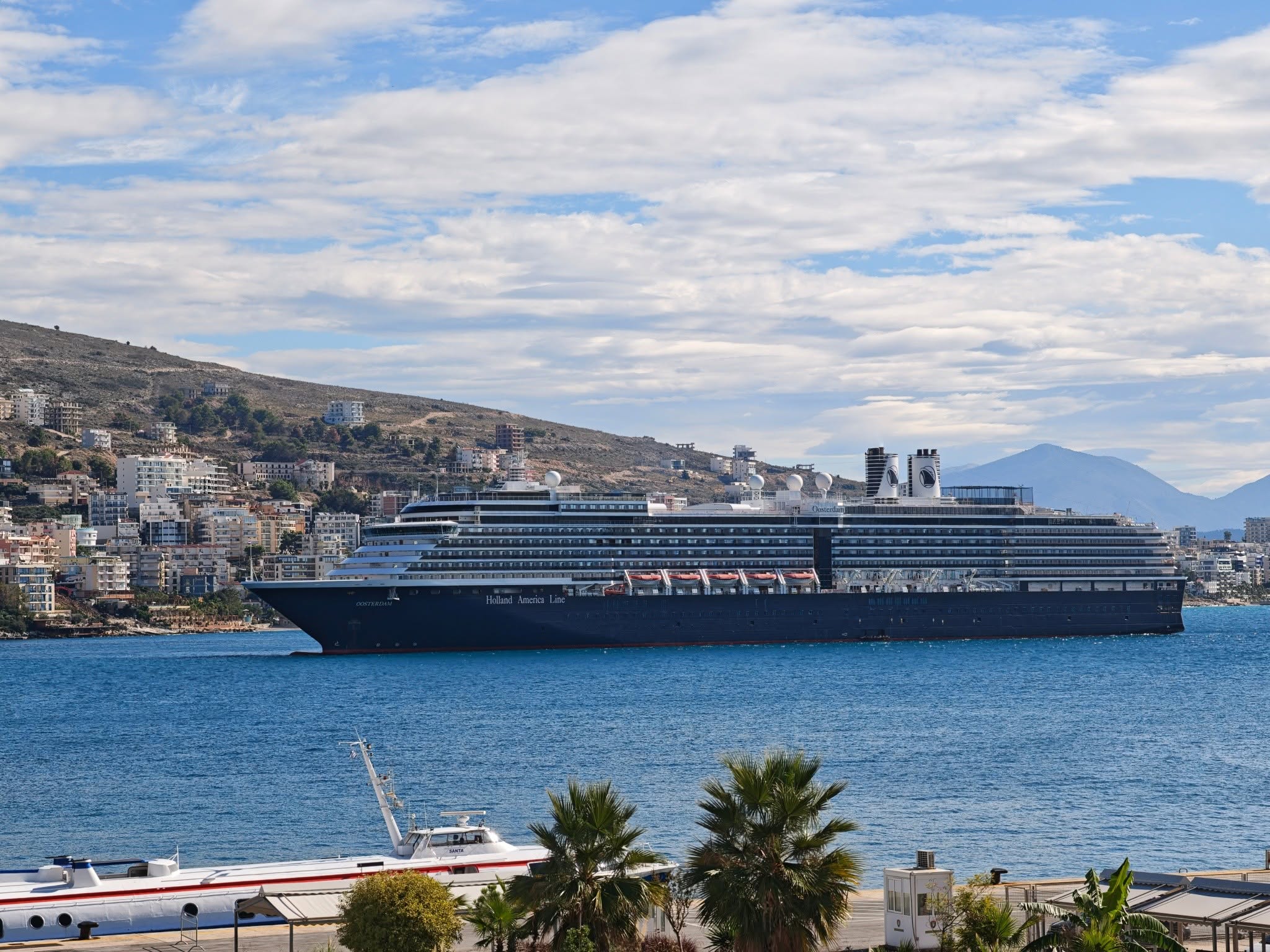
Oosterdam cruise ship arrives in Saranda with 1,900 tourists



Most read










 RTI