
 English
 Français
 Deutsch
 Italiano
 Turkish
 Greek
 Serbian
116 Years Since the Elbasan Congress: A Turning Point for Albanian Education




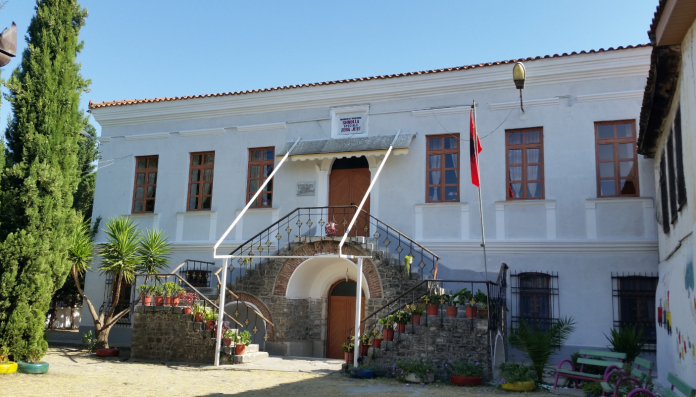
From 2–9 September 1909, the city of Elbasan hosted a landmark event in the history of Albanian education and culture. This gathering, remembered as the “Elbasan Congress” or the “Congress of Albanian Schools,” brought together 35 delegates from 28 patriotic clubs and societies inside and outside Albanian lands.
Among the participants were well-known figures of the national movement and patriotic teachers. These included Orhan Pojani, Grigor Cilka, Gjergj and Sevasti Qiriazi, Ahmet Dakli, Refit Toptani, Hamdi Ohri, Nikollë Kaçori, Andrea Konomi, Idhomen Kosturi, and Kahreman Vrioni.
The congress drafted a cultural and educational program. It demanded official recognition of the Albanian language throughout the education system and its wider spread in schools. Moreover, it stressed the need to establish a secondary school in Elbasan.
Delegates elected Dervish Biçakçiu as chairman and Mit’hat Frashëri as vice-chairman. They appointed Simon Shuteriqi and Josif Haxhimima as secretaries. In addition, the congress issued a 15-point Act of Decisions and approved regulations for patriotic clubs and societies.
One decision created the society “Përparimi” in Korça. Its mission was to finance the new Normal School in Elbasan, which opened on 1 December 1909. Furthermore, the society would support existing Albanian schools, guide the opening of new ones across the country, and promote the teaching of Albanian in foreign schools.
The choice of Elbasan was not accidental. The city had strong patriotic, educational, and cultural traditions. It was also home to outstanding figures of the National Renaissance. As Mit’hat Frashëri wrote in his diary: “The people of Elbasan, not only now but even in despotic times, stood up for their love of the Albanian language.”
The congress gave fresh momentum to the national education movement. Building on its decisions, patriots established the central educational society “Përparimi” in Korça on 20 September 1909. Its leadership included Orhan Pojani as chairman, along with Stavri Karoli, Idhomen Kosturi, and Mihal Grameno.
Soon after, more Albanian schools opened across the country. At the end of September, Korça inaugurated its reorganized boys’ school, originally founded in 1887. It now had five classes and five teachers. In October, schools opened in Progër, Cukaj (Martanesh), Verlen (Bilisht), and Margëllëç. In December, Petro Nini Luarasi led the opening of a school in Negovan and another in the village of Koshtan, Tepelena.
Impact and Legacy
The Elbasan Congress had a strong impact both at home and abroad. The calendar Korça wrote: “This congress is the most important of all. With its decisions, it left its immortal name in the pages of our history.” Likewise, the Italian magazine L’Italia al estero noted: “A great congress was held in Elbasan, with distinguished Albanians, aiming to set in order everything necessary for Albania’s progress and peace.”
Therefore, the work and decisions of the Elbasan Congress remain a milestone. They represent a lasting contribution to the spread of education, the Albanian language, and national culture.
/a.c/
Të ngjashme

Latest News

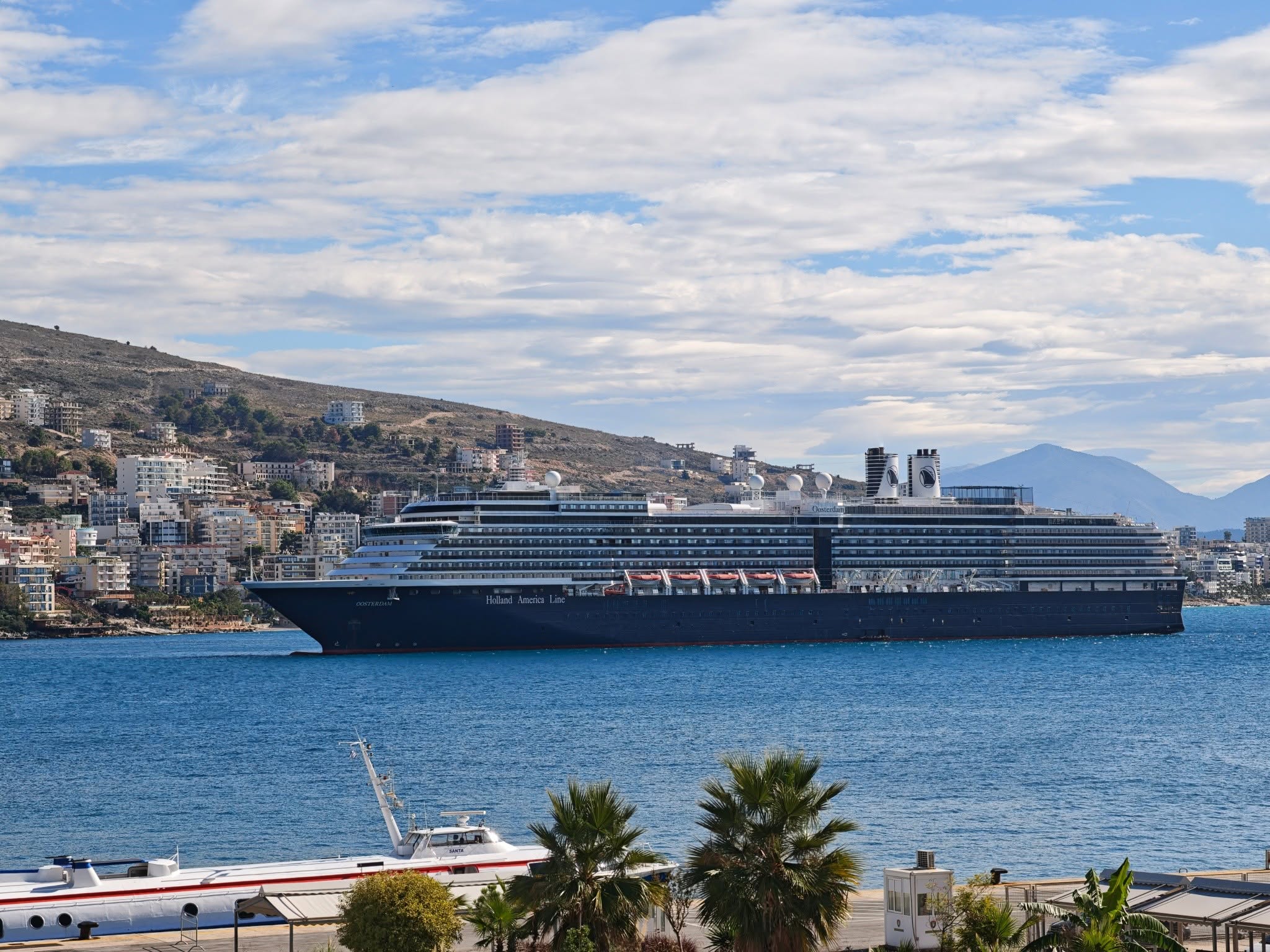
Oosterdam cruise ship arrives in Saranda with 1,900 tourists
Most read










 RTI