
 English
 Français
 Deutsch
 Italiano
 Turkish
 Greek
 Serbian
Exhibition dedicated to British officer Aubrey Herbert, a friend of Albania




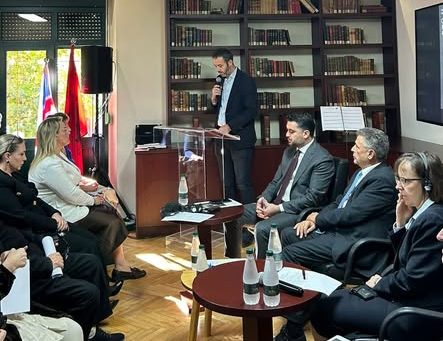
TIRANA, November 14 – The British Cultural Week included a new exhibition on Aubrey Herbert. The General Directorate of Archives, the National Library of Albania, and the British Embassy organized the event. They presented documents and photographs about Herbert’s activity and his support for Albania’s independence.
The exhibition shows original materials from the Albanian State Archive. It also marks one hundred years since Herbert’s death. Meanwhile, it highlights his role in Albania’s independence and his influence on Albanian–British cultural ties.
Several important documents appear in the exhibition. First, the Council of Ministers sent a decision to the Prefecture of Durrës. It noted the Herbert family’s help in sheltering Kosovar emigrants and approved the name “Herbert” for the new village formed in their honour.
Later, the Subprefecture of Kavaja sent a notice to the Prefecture of Durrës. It requested an official thank-you for Countess Carnarvon for building a school in the village of Herbert.
The Municipality of Lushnja also sent a telegram of condolences to the Herbert family after the death of Lady Carnarvon.
The exhibition includes a protest published in “The Times.” Aubrey Herbert, Edith Durham, and other British figures signed the document to oppose the partition of Albania.
In addition, the Albanian Committee in London held a meeting. Fan Noli, Mehmet bey Konica, Filip Noga, and several British personalities joined the session under Herbert’s leadership. They discussed the survival of the Albanian nation and rejected any division of its territory.
The exhibition also features part of Herbert’s speech in the House of Commons. He criticised the British prime minister’s plan to divide Albania. The text appears as a French typescript.
The General Directorate of Archives also presented the Herbert family’s charitable actions in the 1920s. At the same time, acting Director General Endrit Musaj attended the event with diplomats and history enthusiasts.
/a.p./
Të ngjashme

Latest News


Oosterdam cruise ship arrives in Saranda with 1,900 tourists
Most read










 RTI