
 English
 Français
 Deutsch
 Italiano
 Turkish
 Greek
 Serbian
Borderless tourism in the Balkans: New regional “passport” enters into force for agencies and tour operators




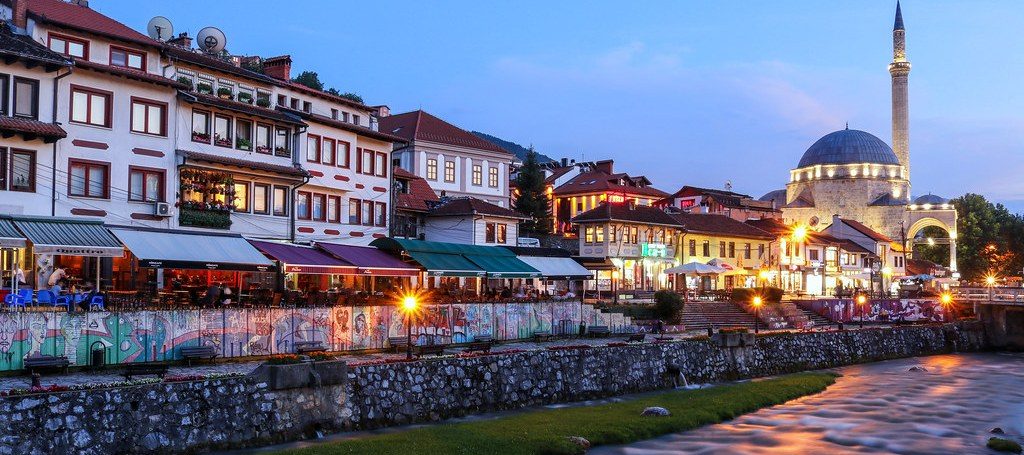
TIRANA, February 13 – Albania has approved a new legal framework that removes bureaucratic barriers for travel agencies and tour operators within the CEFTA area. Parliament adopted the law as part of efforts to build a common regional tourism market.
More specifically, the legislation ratifies a decision of the CEFTA Joint Committee. It introduces a simplified regime for Albanian tourism businesses operating in Kosova, North Macedonia, Montenegro, Serbia, Bosnia and Herzegovina, and Moldova, and vice versa.
Previously, agencies faced duplication
Until now, an Albanian agency seeking to open a branch or provide services elsewhere in the region encountered lengthy procedures and repeated licensing requirements. As a result, businesses absorbed additional costs and delays.
Under the new framework, authorities apply the principle of non-duplication. If an agency meets licensing standards in Albania, another CEFTA member state cannot require the same procedures again.
In addition, the law introduces the “silence is consent” principle. If foreign authorities fail to respond within the legal deadline, the license request is automatically approved.
Beyond establishment, temporary services gain flexibility
The reform goes further by guaranteeing the freedom to provide temporary services. Tour operators and guides may now work in neighboring countries without opening a commercial presence there.
To enable this cross-border activity, operators submit only a prior electronic declaration. The notification includes company data and proof of insurance guarantees. Consequently, authorities expect greater mobility for guides and the expansion of joint regional tourism packages.
At the same time, consumer safeguards remain central
While the law reduces barriers for businesses, it also strengthens consumer protection. Agencies must hold professional liability insurance or financial guarantees covering potential damages to tourists, regardless of where the trip takes place.
Moreover, states will activate a regional alert mechanism. Authorities will notify one another immediately if a tour operator poses risks to client safety or health.
Overall, the reform arrives at a strategic moment for Albanian tourism. The sector seeks deeper integration into increasingly popular Balkan itineraries for international travelers.
/a.p./
Të ngjashme

Latest News

Most read










 RTI