
 English
 Français
 Deutsch
 Italiano
 Turkish
 Greek
 Serbian
Albania Celebrates ‘Summer Day’, the Ancient Festival Welcoming Spring




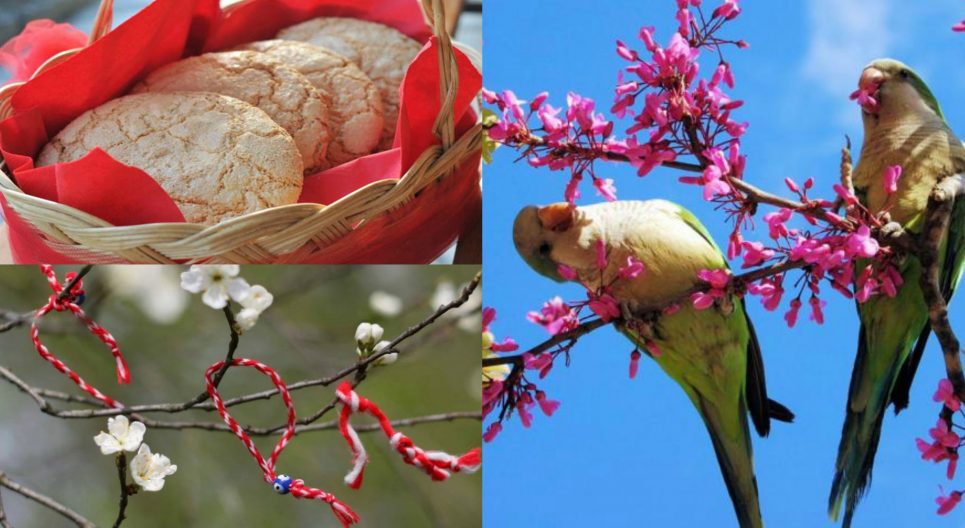
TIRANA, March 14 – Albanians celebrate Dita e Verës (Summer Day) every year on March 14. The festival ranks among the country’s oldest and most beloved traditions. Rooted in ancient pagan customs, it honors nature, renewal, and the awakening of life after winter. Today, Albania recognizes it as a national holiday. As a result, communities gather to celebrate spring.
The festival’s iconic symbol is ballokume, a traditional sweet from Elbasan. This city is widely considered the heart of the celebration. Historically, families lit purifying bonfires in courtyards and gardens. These fires strengthened the sun and warded off harmful spirits.
Although people celebrate across Albania, Elbasan, known in ancient times as Valm, remains the spiritual center of the festivities. Traditions have persisted there for centuries. According to ancient Albanian calendars, Dita e Verës (Summer Day) once marked the beginning of the new year, long before Christianity. It fell on March 1 in the Julian calendar, corresponding to March 14 in the Gregorian calendar used today.
A Celebration Passed Down for Centuries
Cultural researcher and musicologist Thanas Meksi divides the festival into four phases:
- Preparations – Families gather food and supplies for the feast.
• Summer Night (March 13) – Bonfires mark the arrival of spring.
• Summer Day Morning (March 14) – Families open their homes to welcome good fortune and drive away misfortune.
• Midday Picnic – Families and friends gather outdoors to celebrate nature and togetherness.
On the eve of the festival, homes fill with excitement. Families decorate doors with flowers and green branches, symbols of life and prosperity. Meanwhile, friends and relatives sing traditional songs. At the same time, they enjoy Elbasan’s famous cuisine, including tavë kosi, kabuni, çomlek, turkey dishes, and other regional specialties.
Rituals of Health, Luck, and Renewal
Morning traditions carry rich symbolism. People wash their eyes with spring flowers, such as violets, to purify themselves and attract good fortune. In addition, families drink water placed in “bukë derri,” a forest tuber believed to bring health and prosperity.
Children and adults wear a “verore” bracelet made from red and white threads. The bracelet symbolizes life and purity. Later, they remove it when the first swallow of spring appears and place it on bushes. This allows the bird to use it for building its nest and celebrates the return of life and nature’s cycle.
Next, families visit relatives early on March 14. The youngest family member delivers food portions prepared the night before. Afterwards, people gather outdoors for picnics surrounded by flowers and greenery.
Flowers, Music, and the Spirit of Spring
Flowers and music remain central to the festival. Residents of Elbasan cultivate jasmine, carnations, roses, hyacinths, and other seasonal blooms for the celebrations. At the same time, traditional songs by composer Isuf Myzyri echo through the festivities. Beloved melodies such as “Një lulishte me trëndafila” (A Rose Garden) and “Si bilbili në pranverë” (Like the Nightingale in Spring) capture the joyful spirit of spring and play across Albanian communities.
A Living Tradition
In other regions, such as Dibra, festivities start with the dramatic “Night of Summer.” Children prepare for months, collecting materials for large fires that illuminate the city. Then, the next day brings playful traditions like egg-cracking competitions. Families test whose egg is strongest.
A Festival of Renewal for All Albanians
More than just a celebration, Dita e Verës (Summer Day) symbolizes rebirth, hope, and the Albanian connection to nature. From ancient rituals to modern festivals filled with music, flowers, and traditional sweets, it continues to unite generations.
As spring arrives and the first swallows return, Albanians welcome the season with open doors, joyful songs, and centuries-old traditions that keep the spirit of renewal alive.
/a.p./
Të ngjashme
Latest News



Most read










 RTI