
 English
 Français
 Deutsch
 Italiano
 Turkish
 Greek
 Serbian
Gjergj Fishta: The Pen That Gave Voice to Albania’s National Soul




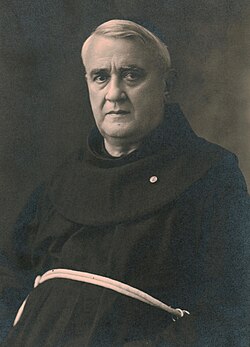
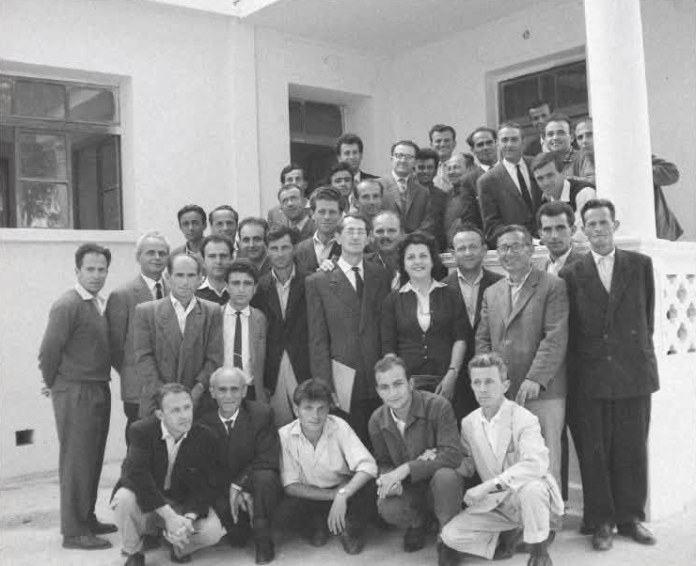
Albania marks the birth anniversary of Gjergj Fishta, a leading figure of the Albanian National Awakening whose literary work, educational efforts and public service helped strengthen national identity during a pivotal period in the country’s history.
Born on October 23, 1871, in Fishtë, in the Zadrima region, Fishta became a Franciscan priest, teacher, poet, writer and public figure. At a time when Albanians sought to protect their language and advance national unity under Ottoman rule, he championed Albanian-language education and cultural development. In 1902, as director of the Franciscan school in Shkodra, he replaced Italian with Albanian as the language of instruction.
Fishta also played a prominent role in the Congress of Manastir in November 1908, where delegates worked to standardize the Albanian alphabet. His literary work advanced the same national cause. Through Lahuta e Malcís, his best-known epic poem, he drew on oral traditions and folklore to portray the struggles, customs and identity of Albania’s northern highlanders. He also helped establish satire as a major genre in Albanian literature.
Fishta later entered political and diplomatic life. In 1921, he became vice-president of the Albanian Parliament and subsequently represented Albania at regional conferences. However, his legacy took a difficult turn after his death in Shkodra on December 30, 1940. Following the communist takeover in 1944, the regime banned his work and marginalized his legacy for decades. His writings returned to public life after the fall of communism, restoring attention to his role in Albania’s literary and national history.
Të ngjashme
Latest News



Most read










 RTI