
 English
 Français
 Deutsch
 Italiano
 Turkish
 Greek
 Serbian
The Postriba Uprising of 1946, the first anti-communist uprising in Albania




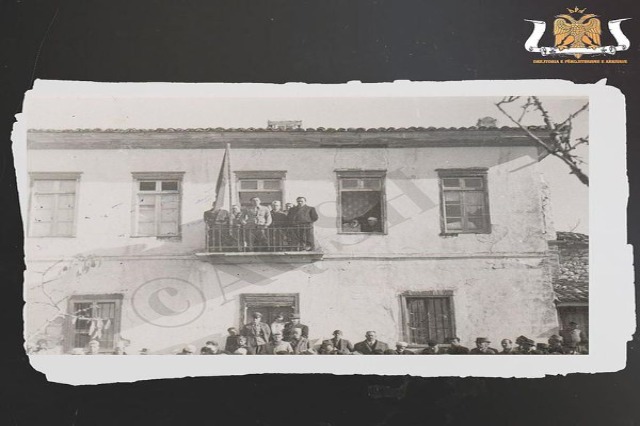
The Postribë Uprising was the first anti-communist rebellion in Albania, occurring 78 years ago. The region of Shkodër had begun organizing resistance against communism with the hope of sparking a widespread popular revolt.
In northern Albania, communism had not yet taken strong hold and remained relatively weak. In Postribë, a movement began to form, primarily led by the clergy and supported by nationalist elements.
Initial meetings were aimed at involving the villages and the people of Shkodër. In July, a meeting was held at the home of Cin Serreqi. In Shegaj, Ibro, under the leadership of Osman Haxhia, representatives from various tribes, including those from Hoti i Ri, convened. Jup Kazazi, a notable leader from the Kazazi tribe, who held great influence in Shkodër and the surrounding villages, also participated.
Nationalist forces, led by Ndoc Kol Biba in Iball of Puka and Mark Gjonmarkaj in Mirdita, expressed solidarity with the assembly through a letter. The assembly decided to start the uprising, with plans to free political prisoners from Shkodër and beyond.
On September 9, 1946, the conscription of young soldiers spurred another meeting at Abdullah Sahiti’s home in Kullaj, where 150 leaders gathered at a place called Shegat e Ibros.
Osman Haxhia convinced the attendees to launch the uprising on September 9, 1946.
The Postribë Uprising was eventually crushed by the regime. Osman Haxhia was captured and sentenced, while Jup Kazazi, surrounded by government forces, took his own life. His body was displayed in the streets of Shkodër as a grim warning.
/a.c/
Të ngjashme

Latest News

Most read










 RTI