
 English
 Français
 Deutsch
 Italiano
 Turkish
 Greek
 Serbian
Daily Mail: Tirana Through Tourists’ Eyes — One of Europe’s Most Affordable and Fascinating Cities




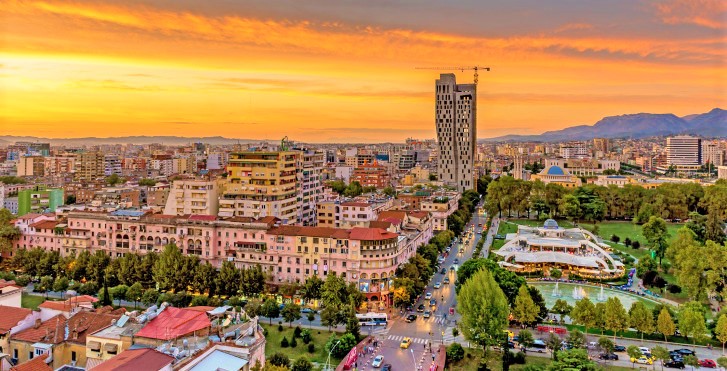
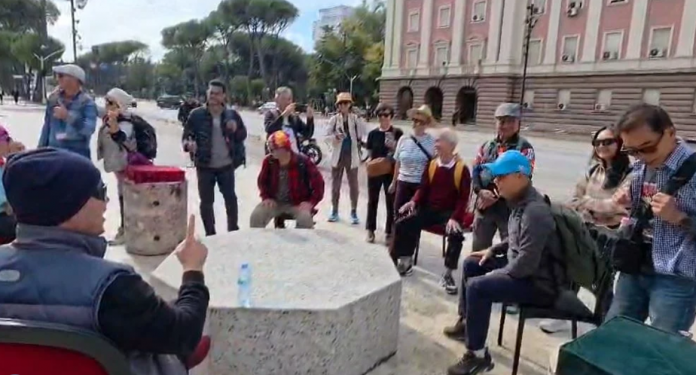
Albania’s capital ranks among Europe’s most affordable city destinations. But what exactly does Tirana have to offer visitors? That is the question explored by Britain’s Daily Mail.
The story begins in the Albanian port city of Durrës, where an archaeologist noticed a fallen fig tree lying in a hollow beside the ancient city walls. At first, the discovery seemed insignificant.
Further excavation, however, uncovered massive stone structures that proved to be part of one of Albania’s most remarkable Roman monuments: a magnificent amphitheater built around AD 100 with seating for nearly 20,000 spectators.
The year was 1966. Extensive archaeological work revealed the vast arena, rising some 20 meters high and adding another extraordinary chapter to Durrës’ rich historical legacy.
Today, Tirana and Durrës—located just 40 kilometers apart—offer visitors a compelling blend of history, culture and unexpected discoveries.
They also share another distinction: exceptional value for money.
According to the 2026 Post Office City Costs Barometer, Tirana ranks as the third cheapest city in Europe for a short urban getaway.
A ticket to the Durrës Amphitheatre costs just £2.30.
An opera performance in Tirana costs around £3.50.
Admission to the city’s leading museums is approximately £6.
A three-course meal with wine at an upmarket restaurant serving traditional Albanian cuisine comes to about £25.
Accommodation remains equally affordable. A double room in a quality hotel in central Tirana costs around £65 per night, while return flights can often be found for as little as £30.
It is little surprise, therefore, that travel experts increasingly regard Tirana as one of Europe’s best-value city-break destinations.
Analysts at credit card company Zable also praised the Albanian capital for offering outstanding value, ranking it ahead of destinations such as Plovdiv in Bulgaria and Tallinn in Estonia in a study of cities delivering the greatest return on travellers’ spending.
A weekend combining Tirana and Durrës offers an ideal introduction to a country that remains refreshingly underexplored by international tourists.
As Albania’s second-largest city, Durrës makes an excellent day trip. A return bus ticket costs just £2.70.
Its waterfront promenade, stretching alongside the marina and the ancient amphitheater, offers a relaxed atmosphere cooled by Adriatic sea breezes.
The seafront park features statues of gladiators and ancient fishermen alongside internationally renowned artists including John Lennon, Tina Turner, Bob Dylan and Mick Jagger.
These striking sculptures have become one of the city’s most distinctive landmarks. Jagger is captured in motion, Lennon strums his guitar, Dylan appears deep in thought, while Tina Turner is portrayed in one of her signature high-energy stage poses.
Installed after the fall of communism, the statues symbolize Albania’s cultural opening following the collapse of Enver Hoxha’s isolated regime some 35 years ago.
Nearby, visitors can stop at the Venetian Tower, where a pizza costs around £4.50 and a glass of Korça beer about £2.70—another reminder that Albania combines affordability with a welcome escape from the crowds found at many Mediterranean destinations.
Back in Tirana, one of the city’s most compelling attractions is the House of Leaves, the former headquarters of the communist secret police.
Its exhibitions document the stories of thousands of victims, political persecution, mass surveillance and the regime’s extensive control over private life.
During his rule, Enver Hoxha ordered the construction of approximately 175,000 bunkers, intended to protect the country in the event of war or nuclear attack.
One of them, near Skanderbeg Square, has been transformed into Bunk’Art 2, where preserved underground rooms and immersive exhibitions reveal the machinery of communist repression. Contemporary art installations create a powerful contrast with the somber history on display.
Another major attraction is Bunk’Art 1, a much larger underground complex originally designed as the communist leadership’s wartime headquarters.
Visitors can explore Hoxha’s private quarters, including his bedroom and wood-paneled office, where a portrait of Joseph Stalin still hangs.
Nearby, the Dajti cable car carries visitors nearly 900 meters above sea level, offering spectacular panoramic views across Tirana and the surrounding mountains.
What truly distinguishes Tirana, however, is its atmosphere.
It is a vibrant, welcoming and outward-looking city where the energy of the present coexists with the memory of a difficult communist past.
The capital’s culinary scene is another highlight.
In Blloku—the neighborhood once reserved for the communist elite—visitors can enjoy traditional Albanian cuisine paired with local wines in lively restaurants and cafés.
Tirana’s residents speak of their city with unmistakable pride.
Visitors often leave with the same impression: Tirana is a city of energy, surprises and striking contrasts, offering one of Europe’s most rewarding—and affordable—urban escapes.
Të ngjashme
Latest News
Most read










 RTI