
 English
 Français
  Deutsch
 Italiano
 Turkish
 Greek
Greek Serbian
Albania marks 68 years of UNESCO membership, highlighting its cultural and natural heritage




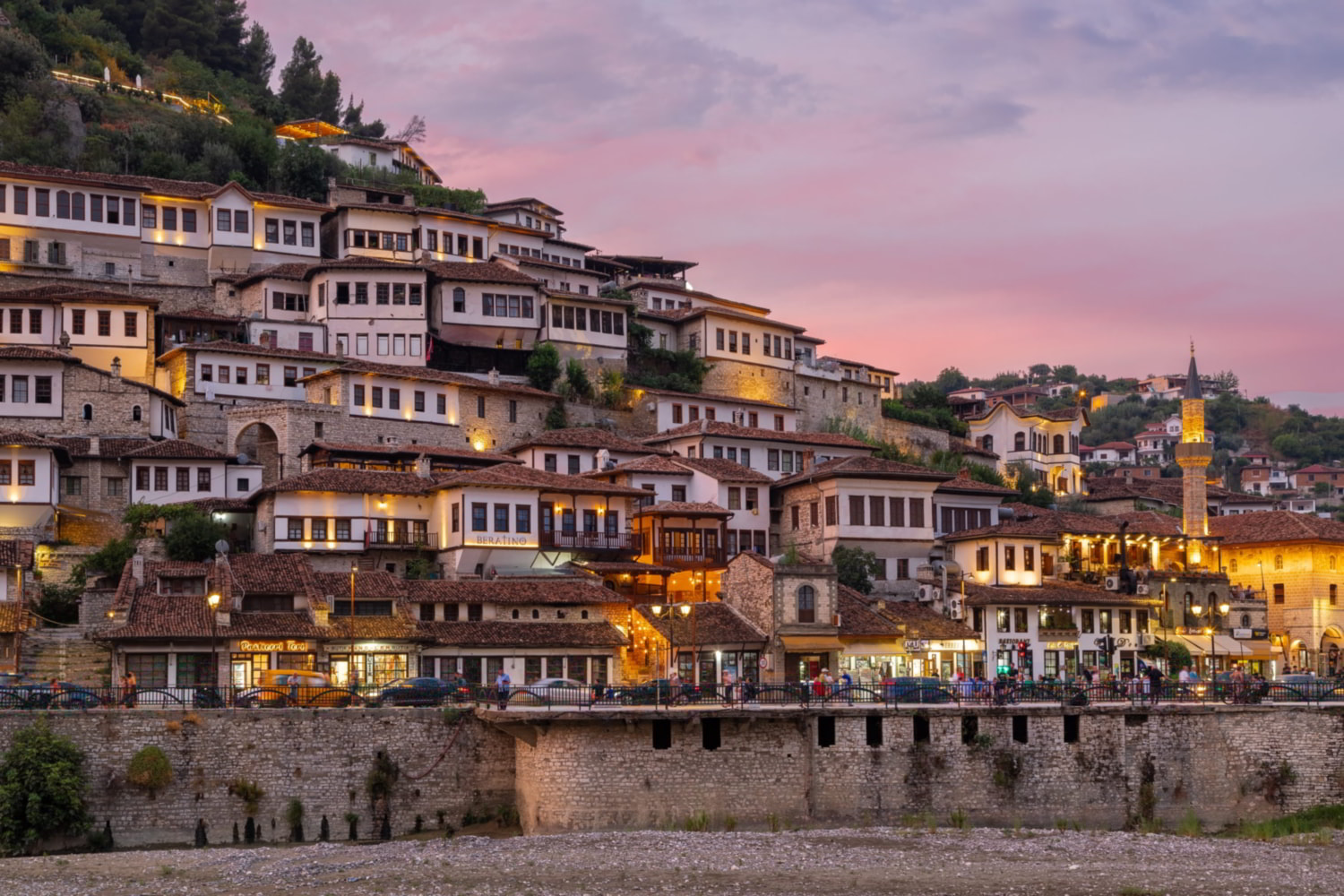
Albania joined the United Nations Educational, Scientific and Cultural Organization (UNESCO) 68 years ago, becoming part of an international effort to protect cultural and natural heritage around the world.
UNESCO safeguards invaluable heritage sites that bear witness to human life and activity across the centuries. The organization has 194 member states working together to preserve cultural and natural heritage worldwide. The 1972 Convention Concerning the Protection of the World Cultural and Natural Heritage established that certain cultural and natural sites hold outstanding universal value and form part of humanity’s shared heritage.
Albania has several tangible and intangible treasures on UNESCO’s lists and registers, reflecting the country’s rich cultural traditions, history and natural landscapes.
Among its World Heritage sites, Butrint stands out for its diverse landscape and archaeological evidence of different civilizations, including Greek and Roman cultures. The historic centers of Berat, known as the city of a thousand windows, and Gjirokastër, often called the stone city, also feature on the list.
Albania also shares the Natural and Cultural Heritage of the Ohrid Region with North Macedonia. Its protected natural heritage includes the Ancient and Primeval Beech Forests of the Carpathians and Other Regions of Europe, represented in Albania by Rrajca and the Gashi River area.
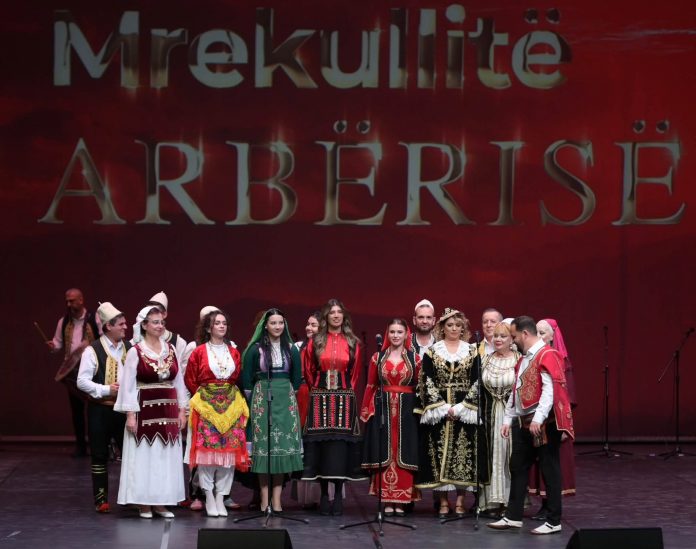
UNESCO also recognizes several elements of Albania’s intangible cultural heritage. These include Albanian folk iso-polyphony, the traditional xhubleta garment and transhumance, the seasonal movement of livestock between pastures.
Meanwhile, the Purple Codices of Berat feature in UNESCO’s Memory of the World International Register, which preserves documentary heritage of global significance.
UNESCO-protected heritage belongs to all the world’s peoples, regardless of the territory where each site or tradition is located. Its protection therefore represents a shared international responsibility and helps preserve these treasures for future generations.
Të ngjashme
Latest News
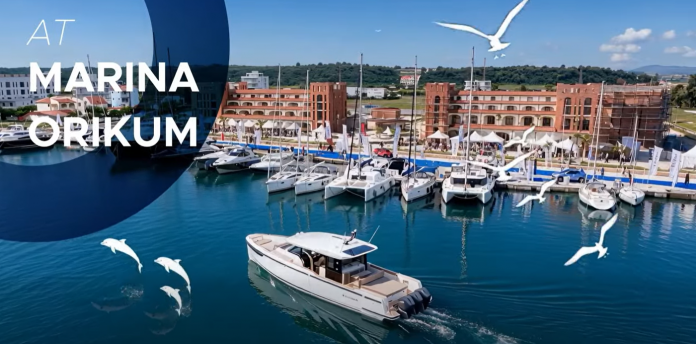
Balkans Sea Fair Returns to Orikum for Three Days of Sailing, Adventure and Business



Most read





 RTI
RTI